
Planting
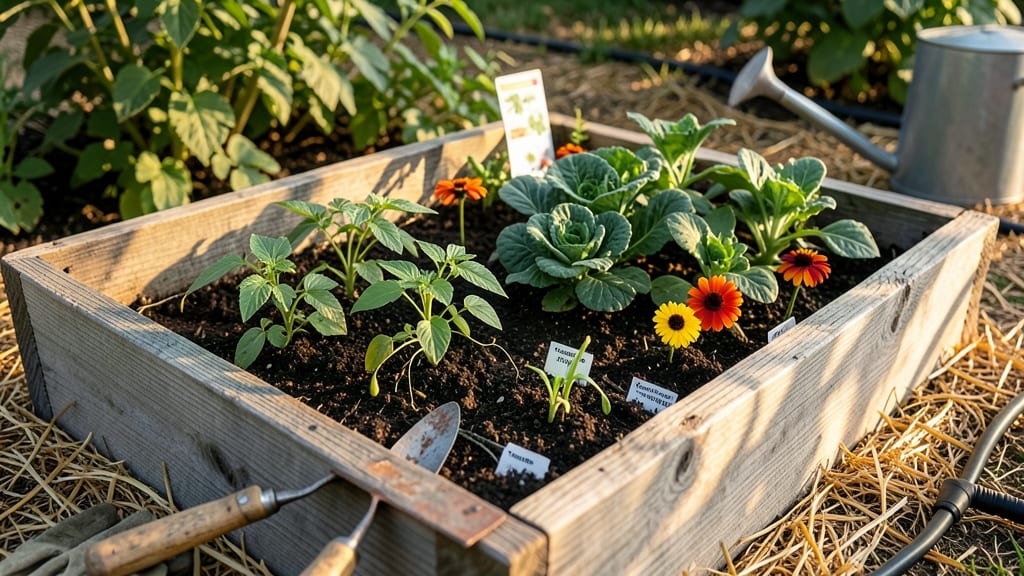
When to plant a garden in Arkansas is all about timing—get it right, and you’ll enjoy a bountiful harvest; get it wrong, and you might end up with frost-damaged seedlings or wilting plants under the summer sun. The General Arkansas Garden 🌱 thrives when planted at the perfect moment—too early and frost zaps your progress, too late and summer heat stresses your crops.
Arkansas gardeners in zones 6b-8a have a narrow window to work with, especially since last frost dates can swing from late February in the north to early April in the south. Missing these deadlines could mean losing your favorite tomatoes or peppers before they even get a chance to grow.
In this guide, I’ll break down the exact planting windows for cool-season and warm-season crops, so you can avoid common mistakes and maximize your yield. Whether you’re a first-time gardener or a seasoned pro, these tips will help you plan like a local.
From frost dates to soil temperatures, I’ll cover everything you need to know to get your General Arkansas Garden off to the best possible start. Let’s make sure your garden doesn’t just survive—it thrives.
Arkansas planting zones: frost dates and safe last-freeze timelines
Arkansas spans USDA Hardiness Zones 6b through 8a, which means gardeners in the northern hills (like Fayetteville) face earlier frosts than those in southern Arkansas (like Texarkana). These zones dictate your last frost dates—the critical moment when temperatures reliably stay above freezing.
For Zone 6b (northwest Arkansas), the average last frost date is around March 15, while Zone 8a (south Arkansas) typically sees its last frost by April 1. These dates mark your safe window for planting cool-season crops like lettuce and peas.
Here’s how these zones break down for your garden planning:
| Zone | Last Frost Date | First Frost Date | Frost-Free Days | Key Crops to Plant |
|---|---|---|---|---|
| 6b (Fayetteville) | March 15 | November 1 | 180-200 | Peas, Lettuce, Broccoli |
| 7a (Little Rock) | March 22 | November 10 | 200-220 | Spinach, Kale, Tomatoes |
| 8a (Texarkana) | April 1 | December 15 | 240+ | Okra, Sweet Potatoes, Peppers |
Knowing your frost-free days helps you schedule warm-season crops like tomatoes and squash. For example, Zone 6b has only 180 frost-free days, so you’ll need to plant quick-maturing varieties or start indoors.
In Zone 8a, you can extend your growing season into late fall for crops like collards and turnips, but watch for early heatwaves that can stress seedlings before frost arrives.
Always check your local Almanac’s frost predictions—Arkansas’ weather can shift unexpectedly. For instance, Fayetteville saw a late frost in April 2021, while Little Rock experienced an early freeze in October 2019.
Use these zones to time your cool-season crops (plant 4-6 weeks before last frost) and warm-season crops (wait until soil hits 60°F, usually mid-April to May).
Pro tip: Soil temperature matters more than air temperature. Use a soil thermometer to confirm readiness—50°F for cool crops, 60°F+ for warm crops.
🌱
Best planting schedule for Arkansas crops: cool-season vs. warm-season guide
Arkansas gardeners have two main planting windows: spring and fall, but the exact timing depends on whether you're growing cool-season or warm-season crops. Cool-season plants like lettuce and spinach thrive in cooler temperatures, while tomatoes and peppers need the heat. Let’s break down the best months for each.
For cool-season crops, start planting 4-6 weeks before your last frost date—typically late February to early March in most of Arkansas.
These crops can even handle light frosts, making them ideal for early spring. Warm-season crops, on the other hand, should wait until soil temperatures reach 60°F, usually mid-April to early May in northern Arkansas and late March in southern zones.
Here’s a quick reference for your month-by-month planting schedule, including direct sowing and transplanting deadlines for Arkansas staples:
- February-March: Plant cool-season crops like broccoli, kale, and onions outdoors. Start transplants indoors for tomatoes and peppers (6-8 weeks before last frost).
- April: Direct sow carrots, radishes, and peas. Transplant cabbage and cauliflower outdoors. Wait until soil warms (60°F+) to plant warm-season crops like squash and beans.
- May: Final deadline for cool-season crops. Start planting tomatoes, peppers, and okra once nighttime temps stay above 50°F.
- June-July: Plant southern heat-lovers like sweet potatoes, watermelons, and okra. Succession plant beans and cucumbers every 2 weeks.
- August-September: Begin fall planting for cool-season crops like spinach, lettuce, and radishes. Transplant broccoli and cabbage for a late harvest.
Succession planting is key in Arkansas’s short growing season. For example, lettuce and radishes can be sown every 2-3 weeks from spring to early summer for continuous harvests. Meanwhile, tomatoes and peppers benefit from staggered transplants—plant a few early (mid-April) and others 2-3 weeks later to extend your harvest window.
Heat-sensitive crops like cucumbers and squash need to be planted before June 15 to avoid wilting in Arkansas’s 90°F+ summer heat. If you miss the spring window, consider fall planting—just start seeds indoors in July for transplants in August.
Pro tip: Use row covers for early spring plantings to protect cool-season crops from late frosts, which can still hit Arkansas as late as mid-April in northern zones. For warm-season crops, mulch heavily to retain soil moisture during Arkansas’s dry summers.