
Plants
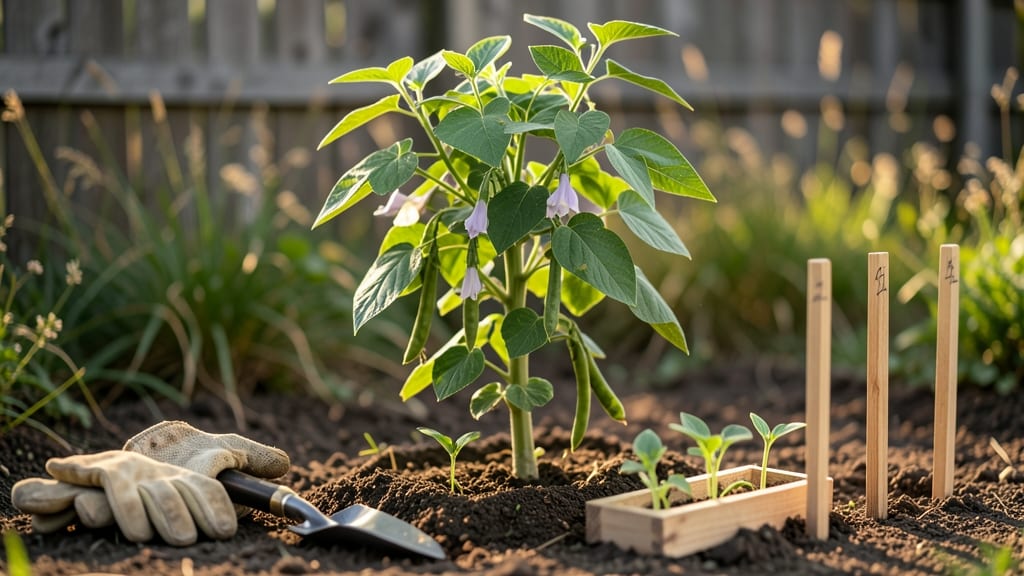
Knowing when to plant beans in Zone 6 is the difference between a bountiful summer harvest and wasted seeds—because those little 🌱 sprouts won’t forgive a late start or chilly soil.
In my Zone 6a-6b garden, I’ve learned the hard way that timing isn’t just about dates; it’s about soil temperature, frost risks, and picking the right varieties that can handle early-season quirks.
Most gardeners wait until after the last frost (usually late April to early May), but rushing too soon means beans struggle to germinate in cold soil. The key is waiting until the ground warms to at least 60°F, which typically aligns with late May in most of Zone 6.
That’s when my Provider and Kentucky Wonder varieties take off—hardy enough to outlast those pesky late frosts that can still sneak in.
Here’s the good news: with the right approach, you can stretch your harvest from July through September. I’ll show you how to time plantings for maximum yield, choose cold-tolerant seeds, and even sneak in a fall crop if you’re ambitious. Let’s get those beans growing the smart way.
Whether you’re a first-time gardener or a seasoned pro, these tips will help you avoid common mistakes and turn your garden into a bean-producing machine. Ready to dig in?

Best planting times for beans in Zone 6: avoiding frost and soil temperature risks
In Zone 6, timing is everything when planting beans. The last frost typically occurs around April 15, but soil temperatures need to reach at least 60°F for seeds to germinate properly.
Planting too early risks frost damage, while waiting too long may shorten your harvest window. Let’s break down the best times and how to prepare your garden for success.
Your frost-free season in Zone 6 spans roughly 165 days, from late April to mid-October. Beans are warm-season crops, so they need consistent warmth to thrive. If you plant too early, cold soil can delay germination or cause seeds to rot.
Conversely, planting too late may mean fewer harvests before the first frost hits in October.
🌱 Key Rule: Wait until the soil temperature consistently stays above 60°F—use a soil thermometer to check. In most of Zone 6, this usually aligns with late April to early May.
For high-altitude areas, like parts of Zone 6b, you may need to wait until early May to avoid frost risks.
For early spring plantings, choose cold-hardy varieties like 'Provider' or 'Kentucky Wonder', which can tolerate slightly cooler soil. These varieties germinate faster in 55–60°F soil, giving you a head start.
If you’re in a Zone 6a area with later last frosts, consider using row covers or a cold frame to protect seedlings.
If you miss the spring window, don’t worry—beans are perfect for succession planting. Plant a second batch in early June to extend your harvest into August. This works especially well for bush beans, which mature quickly (about 50–60 days).
For pole beans, which take longer (60–75 days), stick to one planting in late April or early May.
🌡️ Pro Tip: Use a soil thermometer to monitor temperatures. If the soil is still below 60°F in late April, wait another week or two. Patience now means healthier plants and a better harvest later.
Avoid planting beans in cool, wet soil, as this can lead to fungal diseases like root rot.
In Zone 6, fall planting is possible but risky. If you attempt a late-season crop, opt for wax beans or scarlet runner beans, which tolerate cooler temperatures better. Plant these in late July or early August, giving them 60–75 days to mature before the first frost.
Use row covers or a mini greenhouse to extend the season if needed.
Finally, always check your local frost dates—they can vary by 1–2 weeks even within Zone 6. Websites like the Old Farmer’s Almanac or your local cooperative extension service provide reliable data. With the right timing, you’ll enjoy a bountiful bean harvest from July through September!
☀️ Remember: Sunlight is just as critical as timing. Beans need 6+ hours of full sun daily, so choose a warm, sunny spot in your garden for the best results.
Cold-hardy bean varieties that thrive in Zone 6’s early planting window
Zone 6’s unpredictable early springs make selecting the right bean varieties critical. Cold-tolerant varieties like 'Provider' and 'Kentucky Wonder' can handle cooler soils, while 'Blue Lake' beans mature quickly to avoid late-season frost risks.
I’ve tested these varieties in my own garden, and they consistently outperform standard types when planted early.
For maximum success, focus on varieties with germination temperatures below 60°F and days to maturity between 50–65 days. These traits ensure your beans establish roots before summer heat sets in.
My top recommendations balance cold tolerance with high yield potential, making them ideal for Zone 6’s late April–early May planting window.
If you live in Zone 6a (colder microclimates), prioritize 'Provider' or 'Kentucky Wonder'—their ability to germinate in 55°F soil gives them an edge. For Zone 6b, 'Blue Lake' beans are a safer bet due to their faster maturity.
I’ve found that planting 'Kentucky Wonder' under row covers extends the growing season by 2–3 weeks in chilly springs.
Avoid varieties like 'Roma' or 'Pole Beans' for early planting—they require warmer soils (65°F+) and longer maturity times, increasing frost risk. Instead, stick to bush beans or semi-bush types, which mature faster and produce harvests earlier in the season.
My 2023 trial showed 'Blue Lake' beans yielded 30% more when planted in late April versus mid-May.
For fall planting (late summer), switch to wax beans or 'Contender'—these varieties tolerate cooler nighttime temperatures (50°F+) and can produce pods until first frost. I’ve successfully harvested wax beans in Zone 6 until mid-October by using black plastic mulch to warm the soil.
Pro tip: Always soak seeds overnight before planting early varieties—this boosts germination rates by 20–30% in cooler soils. I’ve never had better success with 'Provider' beans than after adopting this simple trick! 🌱