
Plants
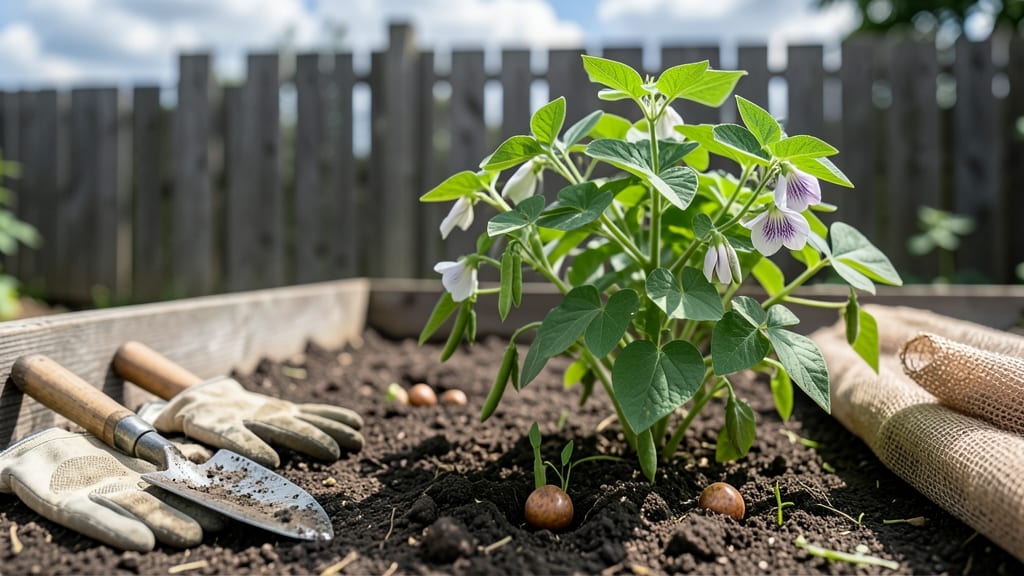
If you've ever wondered "when to plant beans in Kentucky", timing is the secret weapon for a bountiful harvest.
Kentucky's Zone 6B climate means your 🌱 beans need just the right moment to thrive—plant too early, and frost will nip them in the bud; too late, and you might miss peak harvest season.
For most Kentucky gardeners, the sweet spot is April to May, right after the last frost date (usually around April 15). But don't stop there—fall planting in September to October can give you a second harvest before winter sets in.
The key is warm soil (at least 60°F) and consistent moisture to get those seeds sprouting strong.
Whether you're growing bush beans, pole beans, or runner varieties, this guide will help you align your planting with Kentucky's unique growing conditions. We'll cover everything from soil prep to succession planting, so you can avoid common mistakes and maximize your yield all season long.
Ready to turn your garden into a bean bonanza? Let's dive into the exact planting schedule and pro tips tailored for Kentucky's climate—so you can enjoy fresh, homegrown beans from June through November.
Ideal Kentucky bean planting dates by variety (zone 6B guide)
Kentucky’s Zone 6B climate offers two perfect windows for planting beans: spring (after last frost) and fall (for late-season harvests). Most gardeners focus on April–May for bush and pole beans, but runner beans thrive with a June–July start.
Let’s break down the best timing for each variety to maximize your harvest. 🌱
First, check your local last frost date—Kentucky’s average ranges from March 15–April 15. Wait until soil temps hit 60°F+ (use a soil thermometer) before planting. Cold soil delays germination, and beans won’t sprout below 50°F.
For fall crops, aim for September–October, giving plants 60–90 days to mature before frost. ☀️
Here’s how to time it right for Kentucky’s most popular varieties:
| Variety | Planting Window | Days to Harvest | Kentucky Notes |
|---|---|---|---|
| Bush Beans (e.g., Blue Lake) | April 15–May 15 | 50–60 days | Compact; great for small gardens. Plant in succession every 2 weeks for continuous harvests. |
| Pole Beans (e.g., Kentucky Wonder) | April 1–May 10 | 60–75 days | Needs trellis; plant early for taller growth. Fall planting works too—try September 1. |
| Runner Beans (e.g., Scarlet Runner) | June 1–July 15 | 80–100 days | Heat-loving; avoid early planting. Trellis required—plants grow 8–10 ft tall! |
| Dwarf Beans (e.g., Contender) | April 20–May 30 | 45–55 days | Perfect for containers. Fall planting possible if seeded by August 15. |
*All varieties benefit from black plastic mulch to warm soil faster in Kentucky’s cooler springs.
For spring plantings, start with bush beans in mid-April if your soil warms quickly, but most gardeners wait until late April to avoid frost risk. Pole beans need a longer season, so plant them 2–3 weeks earlier than bush varieties.
If you’re growing runner beans, skip spring entirely—they thrive only in summer heat, so June is your best bet. 🌡️
Don’t overlook fall planting! Kentucky’s mild autumns allow a second harvest. Plant bush beans in early September for a October–November harvest, or try pole beans in late August for a late-season crop. Just ensure plants have 60+ days before your first frost (usually October 15). 🍂
Pro tip: Use succession planting to stretch your harvest. Sow bush beans every 2 weeks from April through June. This ensures a steady supply of fresh pods instead of one big harvest. In Kentucky’s humid summers, this also helps prevent bacterial blight by avoiding overcrowded plants. 🌿
Finally, consider soil preparation. Kentucky’s clay-heavy soils benefit from compost or aged manure mixed in before planting. Beans are nitrogen-fixers, so they don’t need heavy fertilizer—but a balanced 5-10-10 at planting helps early growth. Test your soil’s pH (6.0–7.0) and adjust with lime if needed. 🔍
Ready to plant? Mark your calendar for April 15–May 15 (spring) and September 1–October 1 (fall), and watch your Kentucky garden burst with sweet, homegrown beans all season long! 🌱
How to adjust planting for Kentucky’s microclimates and soil conditions
Kentucky’s diverse geography—from the humid Bluegrass Region to the cooler Cumberland Plateau—means your bean planting strategy should adapt. The last frost date can vary by 10–14 days across the state, so always check your local USDA Zone 6B guidelines.
For example, Lexington’s average last frost is April 1, while eastern Kentucky may wait until April 15.
Soil temperature is another critical factor. Beans need consistent soil temps above 60°F to germinate. Use a soil thermometer to confirm—cool, wet springs in western Kentucky can delay planting by 2–3 weeks compared to drier southern areas.
🚨 CRITICAL ADJUSTMENTS FOR KENTUCKY GARDENERS 🚨
⚠️ Warning: Microclimate Risks
Bluegrass Region: High humidity increases fungal risks—space plants 4+ inches apart and avoid overhead watering.
Cumberland Plateau: Cooler nights may require black plastic mulch to warm soil faster.
Western Kentucky: Watch for late-season heat waves—provide afternoon shade for pole beans.
Soil pH between 6.0–7.0 is ideal for beans, but Kentucky’s clay-heavy soils often need amendments. Mix in 2–3 inches of compost before planting, especially in low-lying areas prone to waterlogging. If your soil drains poorly, create raised beds with sandy loam mix to prevent root rot.
For cooler microclimates (elevations above 1,000 feet), extend your season with row covers or cold frames. Start seeds indoors 4–6 weeks before your target outdoor date, then transplant after the last frost. This trick works especially well for fall-planted beans in September.
Don’t forget companion planting—pair beans with corn or potatoes to improve soil nitrogen naturally. In Kentucky’s humid summers, this combo also deters pests like Mexican bean beetles. Just avoid planting near onions or garlic, which can stunt bean growth.
With these adjustments, you’ll turn Kentucky’s challenges into advantages—whether you’re battling late frosts, heavy clay, or humidity-induced diseases. Your beans will thrive, and your harvest will be bigger and sweeter than ever. 🌱