
Plants
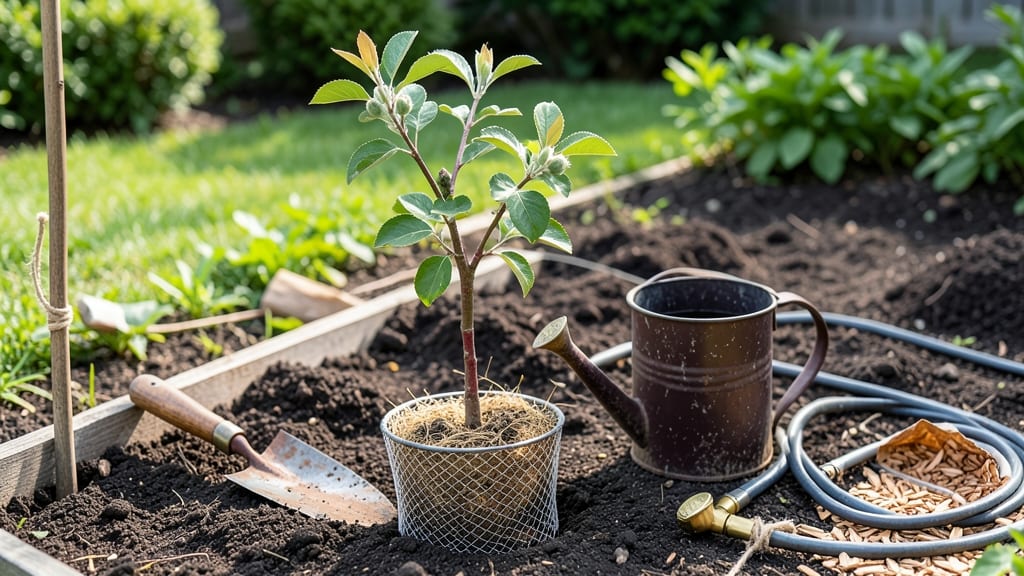
Knowing when to plant a tree in the ground at the wrong time can mean the difference between a thriving 🌳 and a struggling one that never reaches its full potential.
Whether you're adding shade to your yard or restoring your local ecosystem, getting the timing right is the key to strong root development and long-term health.
In USDA Zone 6a, like many temperate regions, early spring and fall offer the best windows—after last frost or 4-6 weeks before the first one. But why?
The answer lies in soil temperature, moisture, and how trees enter dormancy. I’ll break down the science behind these seasons and how to adjust for your specific climate.
You might think winter planting is a myth, but some evergreens handle it better than others. The truth? Most trees need active root growth, which happens when the ground isn’t frozen or baked dry. Let’s explore how to read your soil’s cues and avoid common pitfalls that stall growth.
From bare-root saplings to container-grown giants, every tree has its own needs. I’ll share pro tips—like watering schedules, mulching depth, and when to stake—to give your new planting the best start. Ready to dig in? Let’s make sure your tree grows strong for decades.
Best planting months by USDA hardiness Zone: a seasonal breakdown for tree success
Timing your tree planting right is the difference between a lush, thriving canopy and a struggling sapling. Most gardeners focus on months, but the real secret lies in soil temperature and tree dormancy.
In cool climates (Zones 3-7), early spring (after last frost) or fall (4-6 weeks before first frost) are ideal. Warmer zones (8-11) shift to late fall to early winter to avoid summer heat stress.
Evergreens like pine or spruce need extra care—they transpire year-round, so planting in cool, moist soil (fall or winter) prevents dehydration. Deciduous trees (oaks, maples) thrive when planted bare-root in dormancy, letting roots establish before spring growth.
Container-grown trees, however, can handle spring planting since their roots aren’t exposed.
⚠️ PRO TIP: Use the "finger test"—stick your finger 6 inches deep into soil. If it’s above 40°F (4°C), roots will grow. Below that? Wait.
In Zone 6a (like much of the Midwest), I plant bare-root trees in April—right after the last frost—so roots grow before summer’s heat. For container-grown trees, I stretch the window to March or May, but avoid summer planting. The key? Moisture without soggy soil.
Evergreens in Zone 8b (e.g., live oak) get planted in late fall (November) to let roots establish before spring’s intense heat. Citrus trees in Zone 10? December to January—never summer, or they’ll bake in the heat.
Regional quirks matter too. In Pacific Northwest (Zone 7), I plant Douglas firs in fall to avoid winter rain erosion. In Arizona’s desert (Zone 9), I plant in late winter to catch spring rains. Always check your local frost dates—they’re your planting calendar!
Myth-buster: "Plant in winter" is a common mistake. Frozen soil strangles roots—even if the tree’s dormant. Frozen ground = failed roots. The exception? Container-grown trees in mild winters (Zones 8-10), but dig a wide hole to warm soil faster.
Pro move: Mark your calendar 6 weeks before first frost for fall planting. That’s when I prep holes for spring-flowering trees like cherry blossoms. The extra time lets soil settle and microbes wake up for root growth.
🌳
Critical factors beyond months: soil temperature, rainfall, and tree type
Timing isn’t just about the calendar—it’s also about soil temperature, rainfall patterns, and the specific needs of your tree species. For example, oaks and maples need cooler soil to establish roots, while citrus thrives in warm, well-draining soil.
Ignoring these factors can lead to poor growth or even tree death, especially in extreme climates.
Soil temperature is your first clue. Use the finger test: Stick your finger 6 inches deep into the soil. If it feels like a warm bath (around 60°F or 15°C), it’s ready for planting.
Cooler soil slows root growth, while soil too warm can stress young roots. In my USDA Zone 6a, I wait until mid-April when soil temps consistently stay above 50°F (10°C).
Rainfall plays a huge role too. Planting during prolonged dry spells forces you to rely on irrigation, which can lead to shallow roots. Aim for a window with predictable rainfall—like late spring or early fall—or prepare to water deeply 2-3 times per week.
In drought-prone areas, mulching becomes even more critical to retain moisture.
Planting at the Wrong Time Can Kill Your Tree
- Frost risk: Planting too early exposes roots to freezing, causing irreversible damage.
- Heat stress: Planting in peak summer can bake roots in dry soil, leading to wilting.
- Species mismatch: Tropical trees (like avocado) planted in cold zones will fail without winter protection.
- Waterlogging: Planting after heavy rains can suffocate roots in poorly draining soil.
Pro Tip: Check local frost dates and plant 4-6 weeks before the first frost for fall planting.
Not all trees follow the same rules. Bare-root trees (like fruit trees) need planting during their dormant season, while container-grown trees can go in almost year-round—except in freezing temps. Evergreens, such as pines or spruces, handle transplanting better in cool, cloudy weather to reduce stress.
Deciduous trees, like oaks or birches, prefer early spring or fall when they’re not actively growing.
Watch for red flags that signal poor timing: yellowing leaves, stunted growth, or wilting despite watering. These often mean the tree is struggling to adapt to the conditions. If you’re unsure, consult your local extension service—they provide soil tests and climate-specific advice tailored to your area.
Finally, consider your tree’s mature size. Large trees (like oaks) need years to establish deep roots, so planting them in compacted or rocky soil will limit their growth. Amend the soil with compost or organic matter to give roots room to spread.
In my garden, I’ve seen 3x faster growth in trees planted in loose, nutrient-rich soil compared to clay-heavy ground.
By paying attention to these factors, you’ll give your tree the best shot at thriving—no matter what month you plant. 🌱