
Planting
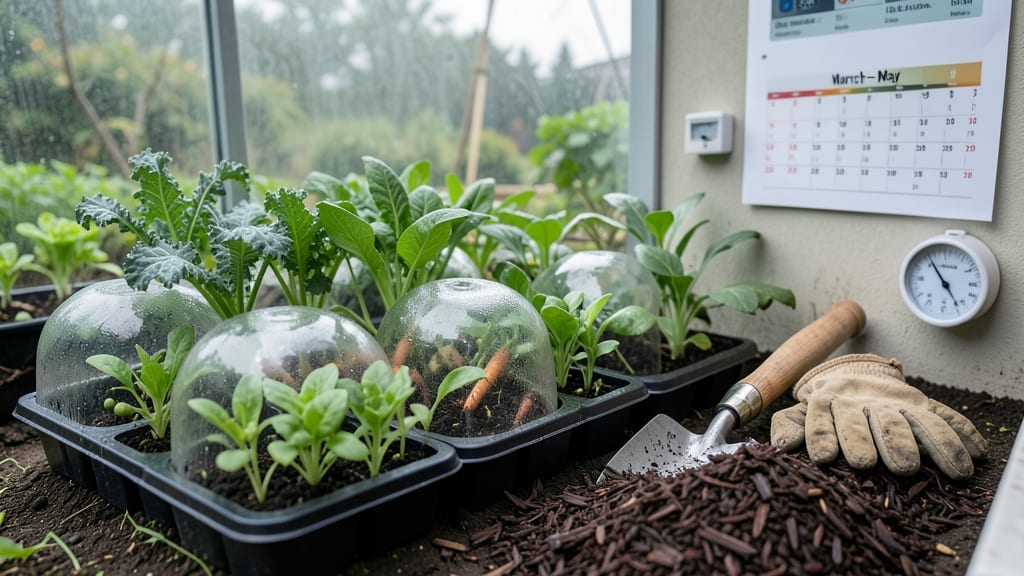
When to plant a vegetable garden in Seattle isn’t just about following a calendar—it’s about outsmarting the city’s famously fickle weather. Plant too early, and a late frost could wipe out your seedlings; wait too long, and you’ll miss the sweet spot for a summer harvest. The key lies in understanding Seattle’s two distinct planting zones—coastal and inland—that can differ by weeks, even months.
If you’ve ever stared at your seed packets in March wondering whether to brave the damp soil or wait for warmer days, you’re not alone. The truth is, Seattle’s USDA Zone 8a climate gives you a surprisingly long growing window, but only if you play by the rules.
I’ve spent years perfecting the schedule, and what I’m about to share will help you avoid the most common mistakes—like planting tomatoes before the last frost or letting kale bolt in the heat.
What you’ll discover here is a month-by-month planting roadmap tailored to Seattle’s unique conditions, from soil prep in early spring to extending your harvest well into fall.
Whether you’re a first-time gardener or a seasoned green thumb, these insights will help you grow more food with less stress—and maybe even enjoy the process a little more.
Ready to turn Seattle’s challenges into your vegetable garden’s biggest advantage? Let’s get started with the timing secrets that make all the difference.
Seattle planting zones: coastal vs inland timing differences explained
Seattle’s microclimates create dramatic differences between coastal and inland planting zones. The Puget Sound moderates temperatures near the water, while inland areas experience hotter summers and colder winters. These variations mean your last frost date could differ by weeks—even just a few miles apart.
For coastal Seattle (areas like West Seattle or Bainbridge Island), the average last frost date is around April 15, while inland zones (like Redmond or Kenmore) often see frost linger until May 1. This delay affects when you can safely plant warm-season crops like tomatoes and peppers.
Understanding these differences is critical because planting tomatoes too early in a coastal zone might result in frost damage, while waiting too long inland could mean a shorter harvest window. Let’s break down the key differences in a simple comparison.
| Factor | Coastal Seattle | Inland Seattle |
|---|---|---|
| Last Frost Date | April 15 | May 1 |
| First Frost Date | October 10 | October 20 |
| Growing Season Length | 175-180 days | 160-165 days |
| Ideal Planting Window for Tomatoes | April 20 - May 10 | May 10 - June 1 |
| Best Cool-Season Crop | Kale (hardy to 20°F) | Spinach (tolerates cooler temps) |
| Warm-Season Crop Challenge | Slow soil warming | Shorter harvest window |
Notice how coastal areas have a slightly longer growing season but struggle with slow soil warming in spring. This is why I recommend using black plastic mulch or row covers to warm the soil faster for tomatoes and peppers.
Inland gardeners, on the other hand, need to focus on fast-maturing varieties to maximize their shorter window.
Another key difference is how rainfall patterns affect planting. Coastal Seattle gets consistent moisture, making it ideal for leafy greens like lettuce, while inland areas may need drip irrigation to prevent drought stress during summer.
Always check your specific neighborhood’s historical frost dates—local gardening groups or the Washington State University Extension can provide precise data.
For cool-season crops like kale, carrots, and peas, you can plant as early as mid-March in both zones, but coastal areas have a slight edge with fewer frost risks.
Warm-season crops like cucumbers and beans should wait until after your zone’s last frost date, with coastal gardeners gaining an extra 2-3 weeks of growing time.
Pro tip: If you’re unsure about your zone, observe your neighbors’ gardens or use a frost-free date calculator like the one from the National Weather Service. Planting marigolds or nasturtiums as early indicators can also help you gauge when it’s safe to add heat-loving plants.
Finally, don’t overlook microclimates within your own yard. A south-facing slope may warm up faster than a shady corner, creating opportunities for earlier planting in specific spots. Use these natural advantages to extend your growing season and enjoy fresher produce year-round.
With these timing differences in mind, you’re ready to tailor your planting schedule to Seattle’s unique conditions—whether you’re coastal or inland. Next, let’s dive into the best vegetables to plant each month and how to protect your crops from unexpected frost.
Best vegetables to plant by month in Seattle (with frost risk alerts)
Seattle’s cool, wet springs and mild autumns create a unique growing window for vegetables. Unlike many regions, you can grow two full harvests—one in spring and another in fall—plus warm-season crops during summer.
The key? Knowing which crops thrive in each month and protecting tender plants from late frosts (which can hit as late as May 10 in coastal areas).
For coastal Seattle, start cool-season crops like kale, spinach, and peas as early as mid-March. Inland areas can plant these 2-3 weeks earlier thanks to warmer microclimates.
Meanwhile, warm-season crops like tomatoes, peppers, and cucumbers should wait until after May 15—when soil temperatures reliably stay above 50°F.
🌱 Seattle Vegetable Planting by Month
| Month | Coastal Seattle | Inland Seattle | Frost Risk |
|---|---|---|---|
| March | Peas, spinach, lettuce, kale | Peas, spinach, onions, broccoli | High (late frosts) |
| April | Carrots, radishes, cabbage | Carrots, radishes, potatoes | Moderate (occasional frosts) |
| May | Tomatoes (after May 15), beans, squash | Tomatoes (after May 1), peppers, cucumbers | Low (mostly frost-free) |
| June-August | Corn, peppers, eggplant, basil | Corn, peppers, eggplant, basil | None (safe for warm crops) |
| September | Kale, spinach, lettuce, peas | Kale, spinach, lettuce, radishes | Low (early frosts rare) |
💡 Pro Tip: Use row covers to extend coastal planting windows by 2-3 weeks in spring/fall.
Don’t overlook succession planting—a technique that keeps your garden productive all season. For example, sow lettuce every 2 weeks from March to September to ensure a steady harvest. Similarly, radishes mature in just 30 days, making them perfect for quick turnarounds between crops.
For warm-season crops, prioritize fast-maturing varieties like 'Early Girl' tomatoes (50 days to harvest) or 'Sweet 100' peppers (60 days). These thrive in Seattle’s short summer and avoid the first frost in October.
If you’re ambitious, try cold frames or greenhouses to push harvests into November for crops like kale and spinach.
Seattle’s high rainfall can also impact planting. Amend clay-heavy soils with compost to improve drainage, and avoid planting water-loving crops like cucumbers in soggy soil. Instead, opt for well-draining raised beds for these varieties.
Always check local frost forecasts from the National Weather Service or University of Washington Extension before planting tender crops. A single late frost can wipe out tomato seedlings overnight—so when in doubt, wait an extra week.