
Vegetables
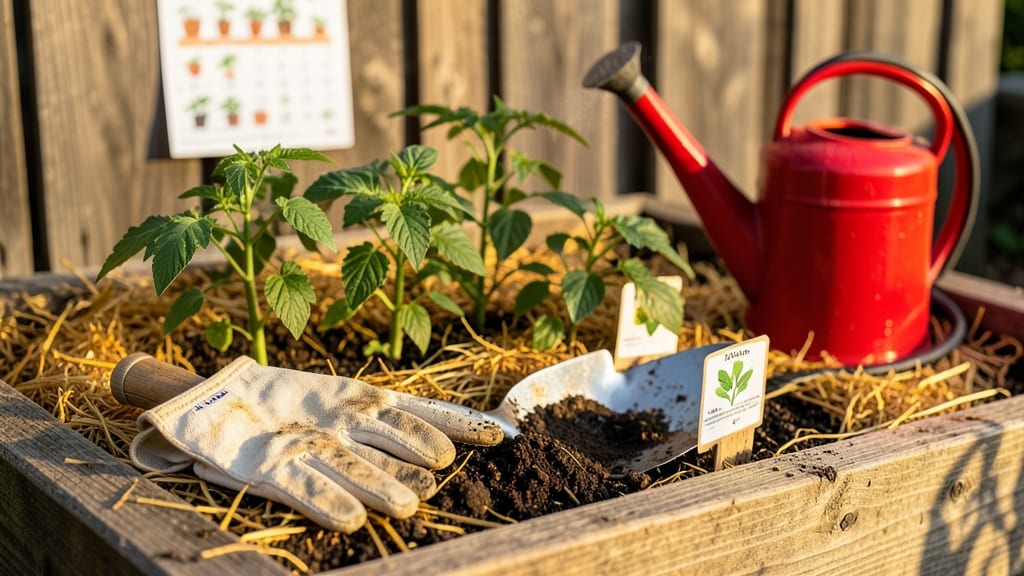
If you’ve ever watched your 🌱 vegetables wilt from a single late frost or bolt into oblivion under Texas’s scorching sun, you know when is the best time to plant vegetables in Texas—and the stakes couldn’t be higher.
Texas’s 11 distinct planting zones mean what works in Lubbock might fail spectacularly in Houston, leaving gardeners scrambling for answers.
I’ve spent years testing the best windows for everything from heat-loving okra to frost-sensitive lettuce, and the secret isn’t guessing—it’s knowing your microclimate.
Whether you’re in North Texas’s cooler hills or South Texas’s steamy plains, the right moment to plant can mean the difference between a bumper crop and a sad, sun-scorched garden.
In this guide, I’ll break down the exact deadlines for cool-season and warm-season crops by zone, plus how to adjust for urban heat islands and coastal breezes. No more second-guessing—just proven strategies to grow your best garden yet.
Ready to stop playing the frost-and-heat lottery? Let’s dig into the best planting times that’ll finally give your Texas garden the success it deserves.
Texas planting zones explained: when to plant by hardiness Zone (6a-10a)
Texas spans 11 USDA hardiness zones (6a-10a), meaning your last frost date in El Paso (Zone 7a) can be weeks later than in East Texas (Zone 8a). This diversity forces gardeners to adapt planting schedules—or risk losing crops to freezing temperatures or summer heat stress.
For example, cool-season crops like broccoli or peas need to be in the ground 6-8 weeks before your average last frost, while heat-loving okra thrives when soil temps hit 70°F+.
Let’s break down the critical planting windows by zone. I’ll include last frost dates, soil temperature thresholds, and microclimate adjustments for urban areas like Dallas or Houston, where heat islands can delay frost by 1-2 weeks.
Pro tip: Use the Texas A&M AgriLife Extension’s frost map to pinpoint your exact zone—it’s more precise than generic USDA zones.
⚠️ NON-NEGOTIABLE: Texas’ first frost can arrive as early as October in North Texas (Zone 7a-8a) but may not hit South Texas (Zone 9a-10a) until December. This means fall planting for cool-season crops must start nowhere near the same time across the state.
| Zone | Avg. Last Frost | Cool-Season Planting Window | Warm-Season Start Temp | Microclimate Note |
|---|---|---|---|---|
| 6a-7a (Panhandle/West TX) | March 15–April 1 | Feb 1–Mar 15 (6 weeks before frost) | Soil 60°F+ (after last frost) | Windburn risk; use row covers |
| 8a (North/Central TX) | March 1–March 15 | Jan 15–Feb 15 (urban areas later) | Soil 65°F+ (April 1+) | Dallas/Houston heat islands delay frost |
| 9a-10a (South/East TX) | Nov 15–Dec 15 | Aug 15–Sept 30 (fall crops) | Soil 70°F+ (year-round) | Humidity extends growing season |
Now, let’s talk soil temperature, the real game-changer for Texas gardeners. While last frost dates tell you when to plant cool-season crops, soil thermometers are your secret weapon for warm-season veggies.
For instance, tomatoes and peppers won’t germinate below 60°F, but okra and sweet potatoes need 75°F+. In Zone 9a, you can plant warm-season crops as early as February, but in Zone 7a, wait until April 15—or risk stunted growth.
Another critical factor? Urban heat islands in cities like Austin or San Antonio can make soil temps 5–10°F warmer than rural areas just 10 miles away. This means your neighbor’s successful tomato crop might fail in your backyard garden if you’re not accounting for microclimate heat.
Solution: Monitor soil temps with a $15 digital probe—it’s cheaper than replanting.
For cool-season crops like lettuce, spinach, or kale, aim to harvest before summer heat kicks in. In North Texas (Zone 8a), that means planting by February 15 for a May harvest.
In South Texas (Zone 9a), you can stretch this to March 15—but watch for bolting (premature flowering) if temps spike above 80°F. Succession planting every 2 weeks ensures a steady harvest.
Here’s my hard-and-fast rule: If you’re in Zone 7a or colder, treat spring planting like a high-stakes race against frost. Use row covers to extend your window by 3–4 weeks, especially for cabbage or Brussels sprouts, which need long, cool days
Best vegetables to plant in Texas by season: heat-tolerant vs. cool-weather crops
Texas’s long growing season and diverse microclimates let you grow vegetables year-round, but timing is key. Cool-season crops like broccoli and spinach thrive in fall and early spring, while heat-lovers such as okra and black-eyed peas dominate summer.
Here’s how to match your plants to Texas’s two main growing windows.
In North Texas (zones 7b-8a), cool-season planting starts in mid-September for a fall harvest, while South Texas (zones 9a-10a) can plant cool crops like cabbage year-round with minimal risk of frost.
For warm-season crops, North Texas waits until mid-April after the last frost, while South Texas can start as early as February.
🌱
-
1. Early Spring (Feb-Mar)
Best for: Heat-tolerant starts (okra, sweet potatoes) in South Texas
Soil temp: 65°F+ for direct sowing
Tip: Use row covers in North Texas to protect tender seedlings -
2. Late Spring (Apr-May)
Best for: Tomatoes, peppers, and eggplants after last frost
North TX: Wait until April 15-May 1
South TX: Plant by March 1 for summer harvests -
3. Summer (Jun-Jul)
Best for: Succession planting of okra, southern peas, and malabar spinach
Key: Use shade cloth for lettuce in 100°F+ heat
Tip: Mulch heavily to retain moisture -
4. Fall (Aug-Sep)
Best for: Cool-season powerhouses (broccoli, cabbage, carrots)
North TX: Start seeds July 15-Aug 1 for fall harvest
South TX: Plant year-round with minimal frost risk -
5. Winter (Dec-Jan)
Best for: Hardy greens (kale, Swiss chard, radishes)
North TX: Use cold frames to extend season
South TX: Grow winter squash for harvests in spring
For North Texas gardeners, focus on fast-maturing varieties like 'Early Girl' tomatoes (55 days) or 'Sugar Ann' peas (60 days) to beat summer’s heat. In South Texas, you can grow year-round tomatoes with drip irrigation and afternoon shade during peak heat (100°F+).
Pro tip: Succession planting every 2-3 weeks ensures a continuous harvest. For example, sow bush beans every 10 days from April through July to avoid gluts. And always check soil temperatures—most seeds need 60°F+ to germinate properly.
🌿