
Plants
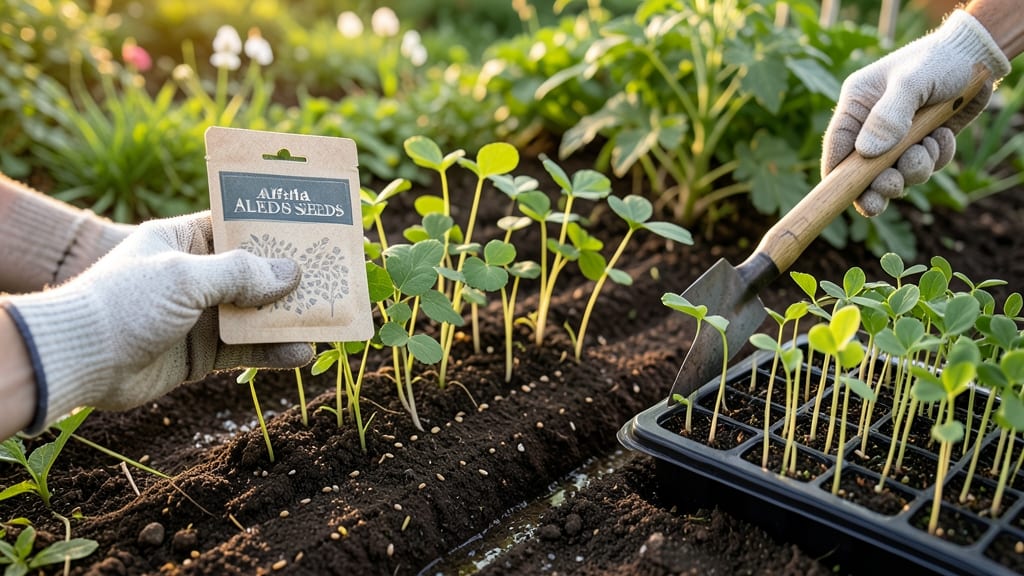
If you're dreaming of a thriving alfalfa crop in Georgia, timing is everything—plant too early, and frost will ruin your hard work; too late, and you miss peak growing conditions.
The 7b-8b zones give you two prime windows: late winter to early spring or fall, but knowing the exact dates separates success from failure.
Georgia’s climate might seem forgiving, but even a few late frosts can devastate your 🌱 alfalfa before it takes root. That’s why I’ve broken down the science—soil temperature thresholds, frost-free days, and regional variations—to help you choose the perfect planting window for your location.
Whether you’re a seasoned farmer or a backyard gardener, this guide cuts through the guesswork. You’ll learn how to align your planting with Georgia’s 210-240 frost-free days, avoid common pitfalls, and maximize your yield—no matter if you’re in the Piedmont or Coastal Plain.
Ready to transform your field into a high-yield alfalfa powerhouse? Let’s dive into the exact months and methods that work in Georgia’s unique climate.
Georgia’s best planting windows for alfalfa: spring vs fall frost-free zones
Georgia’s diverse climate—spanning USDA Zones 7b-8b—creates unique planting windows for alfalfa, but timing is critical to avoid frost damage or heat stress. The Coastal Plain (e.g., Savannah) enjoys longer frost-free seasons, while the Piedmont (e.g., Atlanta) faces earlier frosts.
For spring planting, aim for March–April after the last frost (mid-March in most regions), while fall planting should occur by September–October to establish roots before winter.
Alfalfa thrives in warm soil temperatures (55°F+), so use a soil thermometer to confirm readiness. In Zone 8b (e.g., Macon), you can plant as early as February, but Zone 7b (e.g., Blue Ridge Mountains) may need to wait until late March.
Fall plantings benefit from cooler air but require 60+ frost-free days to mature.
Here’s how Georgia’s microclimates break down for optimal alfalfa planting:
| Region | USDA Zone | Spring Planting Window | Fall Planting Window | Soil Temp Threshold |
|---|---|---|---|---|
| Coastal Plain (Savannah) | 8b | Late Feb–March | September–October | 55°F+ |
| Piedmont (Atlanta) | 7b-8a | Mid-March–April | Late August–September | 55°F+ |
| North Georgia (Blue Ridge) | 7a-7b | Late March–April | August–Early Sept | 60°F+ |
Spring plantings in Georgia should align with local heat unit accumulation—aim for 1,000+ growing degree days (GDD) before harvest. Use a planting calendar (like the University of Georgia Extension’s) to track progress. For fall plantings, prioritize September to ensure roots establish before first frost (mid-November).
In Zone 8b, you can even attempt a second fall harvest by planting in late August, but monitor soil moisture closely—Georgia’s summer heat can dry out seeds before germination. Always test soil pH (6.5–7.0) and amend with compost to improve drainage, especially in clay-heavy Piedmont soils.
Pro tip: Use row covers for early spring plantings to protect seedlings from late frosts, which can occur as late as April in North Georgia. Mulch with straw to retain moisture and regulate soil temperature—critical for alfalfa’s deep root system.
For maximum yield, stagger plantings by 2–3 weeks in spring and fall. This extends your harvest window and reduces disease pressure from overcrowding. In Georgia’s humid climate, fungal risks like leaf spot are higher, so avoid overhead watering and ensure 3–4 feet between rows for airflow.
Remember: Alfalfa is a perennial in Georgia’s climate, meaning it can regrow for 3–5 years if managed properly. Planting at the right time ensures your first harvest in 90–120 days—ideal for spring grazing or fall hay production.
Need a quick reference? Bookmark these key dates for your region:
- Coastal Plain: Plant by March 15 (spring) or Sept 30 (fall).
- Piedmont: Plant by April 1 (spring) or Sept 15 (fall).
- North Georgia: Plant by April 15 (spring) or Aug 31 (fall).
🌱
How to prepare Georgia soil for alfalfa planting: pH, drainage, and frost protection tips
Alfalfa thrives in Georgia’s clay-heavy soils, but only if you prep them correctly. The key is balancing pH levels (6.5–7.0), improving drainage, and protecting young plants from late-spring frosts that can devastate crops. Skipping these steps often leads to poor germination or stunted growth, even in ideal weather.
Start by testing your soil’s pH balance—alfalfa demands neutral soil. If your test shows below 6.5, amend with lime (apply 2–4 lbs per 100 sq ft) 2–3 months before planting.
For acidic soils (above 7.0), mix in sulfur or peat moss to lower the pH gradually. Georgia’s heavy clay soils also need organic matter to prevent compaction.
Drainage is critical—alfalfa roots rot in waterlogged soil. Break up compacted clay by tilling in compost or aged manure (2–3 inches deep) before planting. Raised beds work well for low-lying areas, as they improve water flow and reduce frost pockets. If your soil drains poorly, consider planting on sloped ground or mounding soil to create better airflow.