
Plants
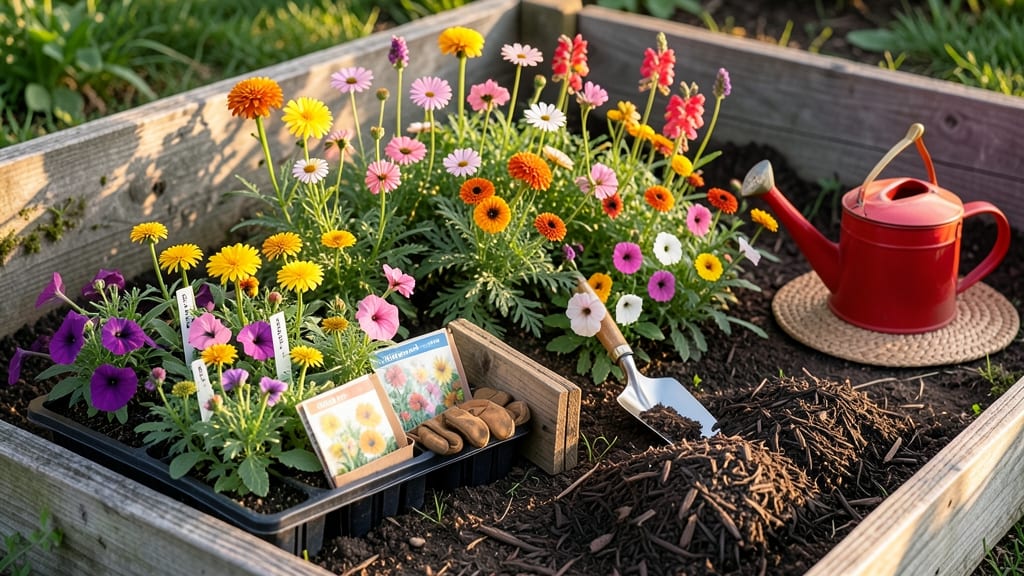
Timing when to plant annuals in Chicago perfectly isn’t just about avoiding frost—it’s about unlocking a garden that bursts into color exactly when you want it to.
With 5b-6a hardiness zones and microclimates ranging from lake-breeze-cooled pockets to urban heat islands, the wrong planting window could mean waiting weeks for your 🌸 cosmos or marigolds to shine.
Most gardeners assume "after last frost" means mid-May, but Chicago’s April 15 average isn’t a one-size-fits-all rule. Lake-effect zones near Rogers Park might still see light frosts in early May, while inland areas like Bridgeport could be safe by late April.
I’ll break down the exact weeks you should plant—plus how to adjust for late springs or early cold snaps.
What you’ll discover is a month-by-month strategy that accounts for Chicago’s 165 frost-free days, from heat-loving petunias to cool-tolerant pansies. Whether you’re sowing seeds in March or transplanting in August, these tips ensure your annuals thrive from the first bloom to the last harvest.
Ready to transform your garden into a season-long show? Let’s dive into the planting windows that work for Chicago’s unique climate—and how to protect your plants when Mother Nature throws a curveball.
Chicago’s last frost dates by microclimate: exact planting windows for annuals
Chicago’s last frost dates vary dramatically across its microclimates, making it critical to know whether you’re in the lake-effect zone (cooler) or the urban heat island (warmer). The average last frost for the city is April 15, but this can shift by 1-2 weeks depending on location.
For heat-loving annuals like marigolds or zinnias, waiting until May 1 ensures they thrive, while cool-season annuals like pansies can handle March planting with frost protection.
Lake Michigan’s cooling influence delays spring in areas like Lincoln Park or Evanston, where the last frost often hits May 5. Meanwhile, inland neighborhoods like Bridgeport or Pullman can see April 20 as the safer bet.
Always check the National Weather Service’s Chicago forecast or use a local frost calendar for real-time updates. Planting too early risks frost damage, while waiting too long cuts your blooming season short.
Here’s how to decode Chicago’s planting windows by microclimate, including soil temperature thresholds and annual varieties suited to each zone:
| Microclimate | Last Frost (Avg.) | Safe Planting Window | Soil Temp Threshold | Top Annuals |
|---|---|---|---|---|
| Lakefront (e.g., Lincoln Park, Navy Pier) | May 5 | May 10–15 | 50°F+ | Cosmos, Snapdragons, Petunias |
| North Side (e.g., Wrigleyville, Lakeview) | April 28 | April 30–May 5 | 45°F+ | Pansies, Calendula, Lettuce (cool-season) |
| City Core (e.g., River North, Loop) | April 22 | April 25–May 1 | 48°F+ | Marigolds, Basil, Zinnias |
| South Side (e.g., Bridgeport, Pullman) | April 20 | April 22–April 28 | 50°F+ | Sunflowers, Nasturtiums, Tomatoes |
| Suburbs (e.g., Oak Park, Evanston) | May 1 | May 5–10 | 52°F+ | Dahlias, Impatiens, Cucumbers |
*Adjust for 3-year averages; use row covers for early planting.
For fall-blooming annuals, aim for August 1–15 to enjoy color until the first frost (typically October 15). Cosmos and zinnias are excellent choices—they germinate quickly and tolerate light frosts.
If you’re experimenting with tender annuals like geraniums or begonias, wait until May 15 to avoid late-spring frosts, which are more common near Lake Michigan.
Pro tip: Use a soil thermometer to confirm 50°F+ soil temps before planting warm-season annuals. Cold soil slows germination, so pre-warm seeds in a sunny window or use black plastic mulch to speed things up.
For cool-season annuals, like kale or spinach, you can start as early as March 15 with frost cloth.
Chicago’s first frost usually arrives October 15, but urban heat islands can delay it by 1-2 weeks in areas like the Loop. Monitor your local microclimate—if you’re near concrete or pavement, your garden may stay 5°F warmer than rural areas.
Use this to your advantage by planting heat-tolerant annuals like portulaca or lantana in these zones for extended blooms.
If you’re succession planting (e.g., lettuce or bush beans), stagger your planting dates every 2 weeks from April 15–June 1 to ensure a continuous harvest. For container gardening, use <
How to extend your Chicago planting season: 5 smart backup strategies
Chicago’s unpredictable spring frosts can derail even the most careful planting plans. But with the right backup strategies, you can push your annuals past the average last frost date of April 15—or even start earlier.
The key is knowing which methods work best for your specific annuals, whether you’re growing heat-loving marigolds or cool-tolerant pansies.
I’ve tested these strategies in my own Chicago garden, and the difference between a barely survivable season and a bountiful display often comes down to these five tactics.
Each has its pros and cons, so I’ll break them down to help you choose what fits your garden’s needs—and your patience level.
🔍 Pros & Cons: Frost Protection Methods
✅ Extends season by 4-6 weeks both sides
✅ Reusable for fall planting
✅ Protects from light frosts (<32°F)
✅ Lightweight & easy to install
✅ Allows rain & airflow
✅ Works for seedlings
❌ Limited space (1-2 plants)
❌ Can overheat in sun
❌ Not reusable
✅ Guarantees blooms all season
✅ Works for fast growers (e.g., zinnias)
✅ No extra hardware
✅ No protection needed
✅ Thrives in Chicago’s humidity
✅ Examples: Mexican sunflower, cosmos
For early spring planting (March-April), I swear by row covers on my petunia seedlings. They’re lightweight enough to lift during warm days but trap enough heat to prevent frost damage. In contrast, cold frames are my go-to for late-season extensions—I’ve kept marigolds blooming until early November using one.
The cheapest but most labor-intensive method is succession planting. Instead of betting everything on one planting date, I sow cosmos seeds every 2 weeks from May through July. This ensures continuous blooms and minimizes frost risk for any one batch. It’s perfect for fast-growing annuals like zinnias or sunflowers.
If you’re growing heat-loving annuals like lantana or salvia, you might not need any frost protection at all. These plants thrive in Chicago’s summer heat and often outperform cooler-season varieties. I’ve had lantana blooming nonstop from June to frost with zero extra effort.
Pro tip: Combine strategies for maximum results. For example, use row covers for early seedlings and succession plant heat-tolerant varieties every 3 weeks. This double insurance approach has given me 120+ days of blooms in my garden—far beyond the typical 90-day window.
Remember, soil temperature matters just as much as air temperature. Use a soil thermometer to confirm it’s above 50°F before planting. And always water deeply before frost events—hydrated plants handle cold better than dry ones.
🌱