
Trees
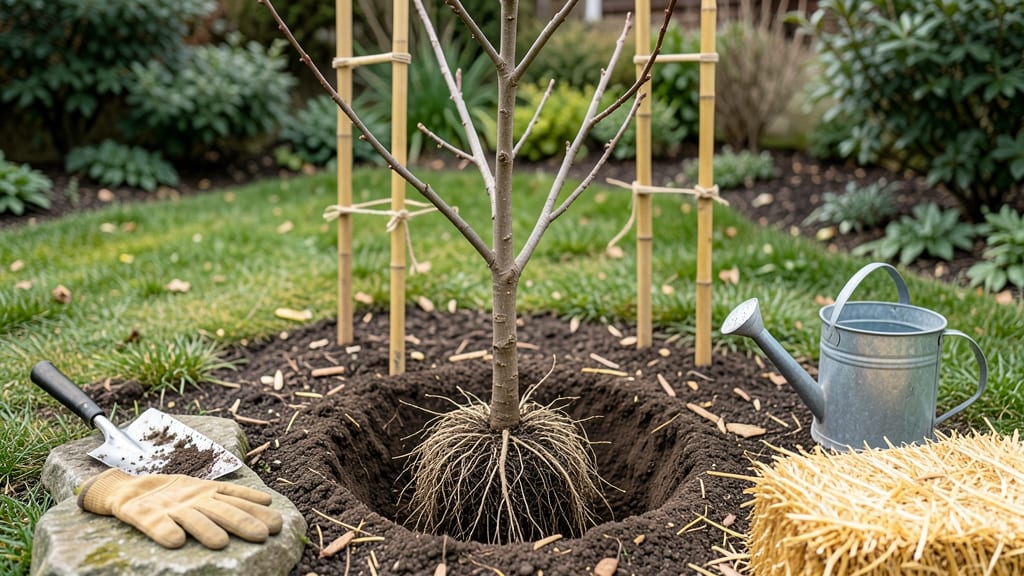
Timing is everything when it comes to planting apple trees in Alabama—get it wrong, and your 🍎 might never bear fruit. Unlike northern climates, Alabama’s Zone 7B-8B demands a different approach, with chill hour requirements and warm winters playing a critical role in success.
Most gardeners assume spring is the only option, but the best window actually starts in late winter—before buds swell but after the worst freeze risks pass. This gives roots time to establish before summer heat arrives, setting your tree up for years of productive growth.
You’ll also need to choose varieties that match Alabama’s climate, like low-chill apples that thrive despite fewer than 400 chill hours. I’ll walk you through the exact months to plant, soil prep tips, and how to avoid common pitfalls like fire blight or poor drainage.
Ready to grow your own orchard? Let’s break down the step-by-step process so you can plant with confidence—and enjoy homegrown apples by late summer.
Best planting months for apple trees in Alabama’s warm climate
Alabama’s mild winters and hot summers create unique challenges for growing apple trees. Unlike northern states, chill hours (the number of hours below 45°F needed for fruit production) are critical. Most traditional apple varieties require 500–1,000 chill hours, but Alabama’s Zone 7B–8B typically delivers only 300–600 chill hours annually.
This means choosing the right timing—and the right varieties—is essential for success.
For Alabama gardeners, the ideal planting window spans from late January through early April. This period balances dormant season root growth with avoiding spring’s unpredictable freeze warnings. Planting too early risks frost damage, while waiting too long delays root establishment before summer heat arrives.
Northern Alabama (e.g., Huntsville, Decatur) has slightly cooler microclimates, allowing for a 1–2 week earlier planting window than southern regions (e.g., Mobile, Birmingham). Always check your local last frost date—typically around March 15—and plant 4–6 weeks beforehand to give roots time to anchor before warm weather arrives.
🌱
| Planting Stage | Key Action | Alabama-Specific Notes | Best Months |
|---|---|---|---|
| Dormant Season Prep | Test soil pH (aim for 6.0–6.5) | Alabama’s clay-heavy soils often need compost or sulfur to adjust pH. | November–December |
| Bare-Root Planting | Plant dormant bare-root trees in moist soil | Avoid frost warnings—check AL Extension frost maps. | January–February |
| Container Planting | Use 5-gallon pots for delayed planting | Keep in partial shade until transplanting in March. | December–March |
| Post-Planting Care | Mulch with 3–4 inches of wood chips | Mulch retains moisture critical for root establishment in Alabama’s heat. | March–April |
| First Watering | Deep water 15–20 gallons immediately after planting | Alabama’s summer droughts can stress young trees if roots aren’t established. | January–April |
Alabama’s humid subtropical climate also means timing your planting to avoid spring rains (March–April) can reduce fungal risks like apple scab. If planting in late winter (January–February), choose a dry, overcast day to minimize stress on the tree.
For container-grown trees, you can extend your window into early May, but prioritize well-draining soil to prevent root rot.
One common mistake Alabama gardeners make is planting too late, hoping for cooler summer temperatures. However, summer heat stress (temperatures above 90°F) can stunt root growth. Aim to have your tree’s roots fully established by mid-April to ensure it can handle Alabama’s intense summers.
For those in Zone 8A (southern Alabama), where chill hours are even lower (300–400 hours), focus on low-chill varieties and plant in January–February to maximize dormancy benefits. Northern Alabama’s cooler microclimates (e.g., Zone 7B) can tolerate slightly later plantings into early March.
🌿
Pro tip: Use Alabama Cooperative Extension’s frost calendar (available here) to track local freeze risks. For example, Mobile’s last frost often occurs 2 weeks later than Birmingham’s. Adjust your planting date accordingly to avoid late-spring frosts that can damage blossoms.
Finally, consider microclimates in your yard. South-facing slopes warm up faster in spring, while north-facing areas stay cooler longer. Planting on a north-facing slope can buy you an extra 1–2 weeks of safe planting time before heat stress becomes a risk.
Best planting months for apple trees in Alabama’s warm climate
Alabama’s mild winters and hot summers create unique challenges for growing apple trees. Unlike northern states, you can’t plant in fall—your best window is late winter to early spring, when soil temperatures rise but frost risks fade.
Aim for January through March in most of Alabama, with North Alabama (Zone 7b) having slightly cooler microclimates than South Alabama (Zone 8a).
For Zone 7b, plant between January 15 and March 15 to give roots time to establish before summer heat. In Zone 8a, extend your window until April 1, but avoid planting after April 15—summer’s intensity can stress young trees.
Always check Alabama Extension’s frost forecasts for your county.
🌱
| Zone | Best Planting Window | Soil Temp Goal | Key Consideration |
|---|---|---|---|
| 7b (North AL) | Jan 15–Mar 15 | 45–55°F | Later frosts possible; prioritize root growth |
| 8a (South AL) | Feb 1–Apr 1 | 50–60°F | Warmer soil speeds root establishment |
| All Zones | Avoid May+ | N/A | Summer stress increases transplant shock |
Timing isn’t just about months—it’s about soil temperature. Use a soil thermometer to confirm temps are above 45°F at 6 inches deep. Cold soil slows root growth, while soil above 60°F can cause root burn.
In North Alabama, wait until March 1 to minimize frost risk, even if soil warms earlier.
Another critical factor is chill hours. Alabama’s warm winters limit traditional apple varieties, but low-chill varieties (0–400 hours) thrive here. Planting at the right time ensures your tree gets enough winter chill to flower properly.
For example, ‘Ein Shemer’ (300 chill hours) planted in February will bloom optimally the following spring.
🌡️
Pro tip: If you miss the spring window, consider container planting in fall (October–November) for dwarf varieties. Containers let you control soil warmth and move trees to sheltered spots during cold snaps. Just ensure pots are 18+ inches deep and use a well-draining potting mix with 50% compost.