
Planting
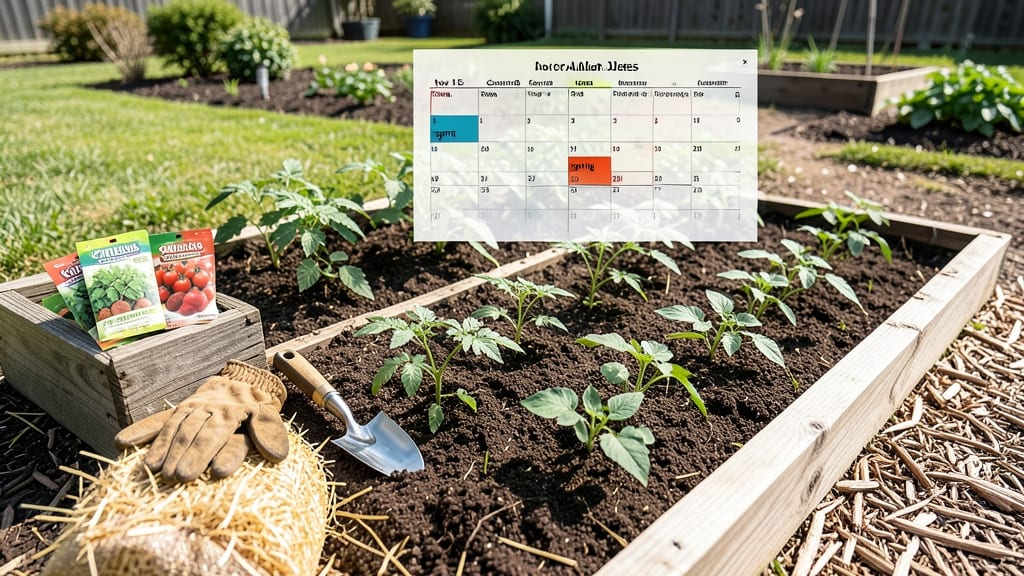
Knowing when to plant a garden in Alabama perfectly can mean the difference between a thriving harvest and a disappointing failure. With USDA Zones 7B-8B, Alabama’s climate gives you two prime planting windows—but timing is everything.
Cool-season crops like lettuce and spinach need to hit the soil 4-6 weeks before your last frost date (usually mid-March), while warm-season favorites like tomatoes and peppers wait until after the last frost (around mid-April).
But here’s the catch: Alabama’s humid subtropical climate means microclimates can shift planting times by weeks.
I’ll break down the exact months for your region, whether you’re in North Alabama’s cooler hills or Central Alabama’s heat pockets. You’ll learn how to adjust for soil temps, frost risks, and even urban heat islands—so you can plant with confidence and avoid common mistakes.
Ready to transform your garden from "hopefully okay" to "abundant harvests"? Let’s get started with the perfect planting schedule for your Alabama garden. 🌱
Alabama planting calendar: exact dates for cool-season vs. warm-season crops
Alabama’s USDA Zones 7B and 8A offer gardeners two distinct planting seasons: cool-season crops thrive in winter and early spring, while warm-season crops shine from late spring through fall. Understanding these timelines is key to avoiding frost damage or bolting vegetables—common mistakes in Alabama’s humid subtropical climate.
For most of Alabama, the average last frost date falls around March 15, while the first frost typically arrives November 15. However, microclimates in northern Alabama (like Huntsville) may experience frost 2 weeks later, while southern regions (like Mobile) often enjoy longer frost-free periods.
Cool-season crops like lettuce, broccoli, and spinach should be planted 4-6 weeks before your last frost date—so aim for mid-February to early March in most areas.
Warm-season crops, including tomatoes, peppers, and okra, need soil temperatures above 60°F, which usually occurs 2-3 weeks after last frost—around mid-April.
🌱
🌱 Alabama Planting Timeline: Cool-Season vs. Warm-Season Crops
| Crop Type | Planting Window | Soil Temp Requirement | Key Alabama Notes |
|---|---|---|---|
| Cool-Season Crops | Feb 15 - Mar 15 | 45-65°F | Plant broccoli and spinach in February; lettuce and kale can handle light frosts. |
| Warm-Season Crops | Apr 15 - May 15 | 60°F+ | Start tomatoes and peppers indoors in March; transplant after last frost. |
| Fall Cool-Season | Aug 1 - Sep 15 | 50-60°F | Sow carrots and radishes in August for fall harvests before frost. |
| Perennials & Flowers | Feb - Mar or Sep - Oct | 50-60°F | Plant daylilies and black-eyed Susans in early spring or fall for best root establishment. |
🌡️ Pro Tip: Use a soil thermometer to confirm temperatures before planting warm-season crops.
Alabama’s humid subtropical climate also means succession planting is your best friend. For example, sow bush beans every 2 weeks from April to July to ensure a continuous harvest. Similarly, radishes mature in just 30 days, making them perfect for quick succession plantings in both spring and fall.
Don’t overlook fall planting—it’s a gardener’s secret weapon in Alabama. Crops like turnips and collard greens thrive in cool fall temperatures and can be harvested well into winter. Aim to plant these 6-8 weeks before your first frost, typically around late August to early September.
For warm-season crops that struggle with heat (like cucumbers or squash), consider shade cloth during Alabama’s summer heatwaves. These crops often bolt prematurely when temperatures exceed 90°F, so providing afternoon shade can extend your harvest window.
🌿
If you’re new to Alabama gardening, start with easy-to-grow crops like southern peas (which love the heat) or Swiss chard (tolerates both cool and warm seasons). These plants are forgiving and give you confidence as you refine your planting schedule based on your local microclimate.
Remember: Alabama’s long growing season (up to 240 frost-free days in southern regions) means you can grow two full harvests per year for many crops. Plan your garden like a chef’s menu—balance early spring greens with summer tomatoes and fall root vegetables for a year-round bounty.
How to adjust planting times for Alabama’s microclimates and soil conditions
Alabama’s diverse geography means your neighbor’s perfect planting window might not work for your garden. Microclimates—created by elevation, urban heat, or even nearby trees—can shift frost dates by 2-4 weeks. For example, mountainous North Alabama (e.g., Huntsville) often sees frost 2 weeks earlier than coastal areas like Mobile.
Always check your local last frost date (typically March 15 for most of the state).
Soil conditions play a critical role too. Clay-heavy soils in Central Alabama stay cold longer, delaying planting for cool-season crops like lettuce or broccoli. Test your soil’s temperature with a soil thermometer—most seeds need 60°F+ to sprout.
Sandy soils in South Alabama warm up faster, allowing earlier warm-season plantings (like tomatoes) as early as mid-February in protected beds.
🌱
Last frost: March 1-15
Plant cool crops by Feb 15
Warm crops: April 15+
Soil warms 2 weeks early
Start warm crops indoors by Feb 1
Direct sow peppers/tomatoes by March 15
Last frost: March 15-April 1
Plant spring greens by Jan 15
Fall crops: July 15+
Wait for 65°F soil for warm crops
Use black plastic mulch to warm soil faster
Succession plant every 2 weeks
To extend your growing season, use season extenders like row covers or cold frames. These can push spring plantings 3-4 weeks earlier and fall harvests 2-3 weeks later.
For example, I’ve grown spinach as early as January under a floating row cover in North Alabama, avoiding the late-winter chill that would otherwise kill it.
Succession planting is another game-changer. Instead of planting all your bush beans at once, stagger plantings every 2 weeks from April to June. This ensures a continuous harvest and prevents gluts.
In South Alabama’s longer season, you can even squeeze in a second planting of greens in late August for a fall harvest before frost.
Don’t overlook soil amendments—adding compost or aged manure in late winter warms soil faster and improves drainage. In heavy clay areas, mix in sand or pine fines to help roots establish before summer heat sets in. Always water deeply after amending to help nutrients settle.
Finally, monitor local weather patterns beyond frost dates. Alabama’s humid subtropical climate brings unpredictable late-spring frosts or early-summer heatwaves. Use a weather app with frost alerts and keep a planting journal to track what works each year.
With these adjustments, you’ll turn Alabama’s challenging microclimates into advantages for a longer, more productive garden. 🌿