
Plants
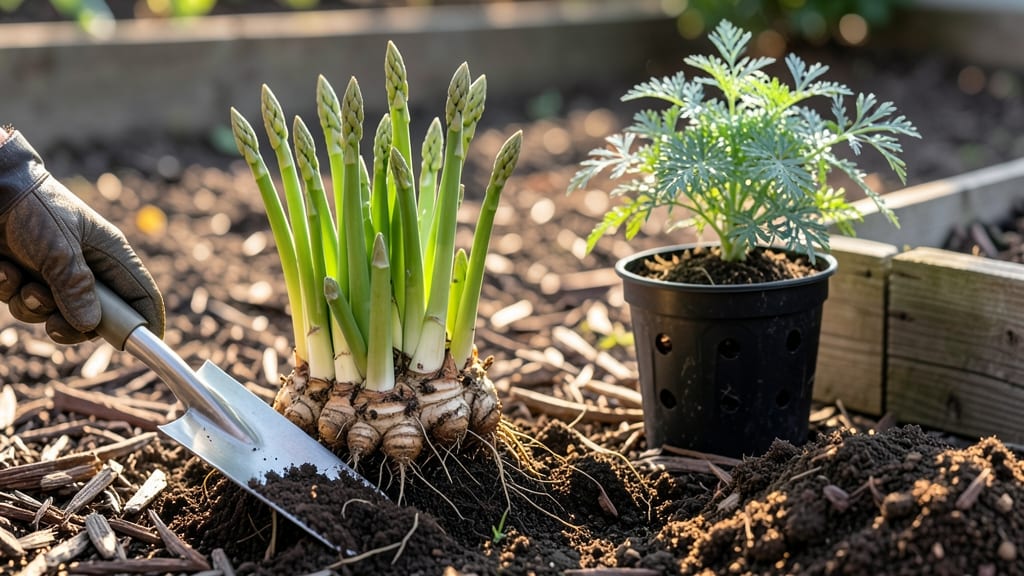
Timing your Asparagus 🌱 planting in Florida isn’t just about the calendar—it’s about dodging the heat and humidity that can turn your tender spears into bitter, woody stalks.
If you’ve ever struggled with bolting or weak harvests, you’re not alone, but the solution starts with planting during Florida’s cooler months when the soil is just right.
For Florida gardeners in zones 8a-11, the sweet spot is between December and February, when temperatures dip just enough to give your asparagus crowns the perfect start.
This window ensures your plants establish strong roots before the summer heat kicks in, setting you up for a zero-bolt harvest that lasts for years.
But here’s the catch: North Florida’s chillier winters mean you might want to plant a little earlier, while South Florida’s near-tropical climate could extend your window slightly. The key is getting it right for your microclimate to avoid the dreaded bolting that ruins your spears before they even mature.
I’ll walk you through the exact months, soil prep tricks, and even how to adjust for coastal vs. inland areas—so you can finally enjoy that first harvest of tender, sweet asparagus spears without the guesswork. Let’s get your garden on the right track.
Optimal Florida planting months for asparagus success
Florida’s frost-free winters and year-round warmth make asparagus planting a delicate balance—too early, and your crowns rot; too late, and you risk bolting before harvest. The ideal window for planting 1-year-old crowns is December through February, when soil temps hover between 50°F and 70°F.
This timing aligns with Florida’s USDA Zones 8a-11, where frost is rare but humidity peaks. Planting in cool, dry months reduces fungal risks while giving roots time to establish before summer’s heat stresses young shoots.
For seed planting, Florida gardeners should wait until March—but expect a 3-year wait for your first harvest compared to 2 years with crowns. Seeds need consistent moisture and 60°F+ soil temps to germinate successfully.
Key factors for Florida’s zero-bolt harvests include:
- Soil temperature: Below 85°F during establishment
- Humidity control: Avoid overhead watering to prevent mildew
- Sun exposure: Full sun (6+ hours) daily after transplanting
| Planting Method | Best Months | Soil Temp Requirement | Harvest Window |
|---|---|---|---|
| 1-Year-Old Crowns | December–February | 50°F–70°F | Year 2 (Spring) |
| Seeds | March | 60°F+ | Year 3 (Spring) |
| Transplants | November–January | 55°F–65°F | Year 2 (Spring) |
*Bolting risk increases if planted after February in South Florida
North Florida gardeners in Zones 8a-9a (e.g., Jacksonville, Gainesville) can push planting to early March thanks to cooler nights, but avoid April—summer’s heat will trigger premature flowering. In South Florida (Zones 10a-11), December is critical—planting after January 15 risks bolting before harvest.
Pro tip: Pre-chill crowns for 48 hours in 40°F refrigeration before planting to mimic winter dormancy. This trick helps delay spearing until soil temps stabilize in spring, giving you 6-8 weeks of peak harvests.
For container growing, Florida’s hot summers demand 18-inch-deep pots with sand-amended soil to prevent root rot. Plant in December and move containers to partial shade during June–August to prevent stress.
Remember: Asparagus is a perennial with a 10-year lifespan—get the timing right now, and you’ll enjoy low-maintenance harvests for decades. The first 2 years are all about root establishment; years 3-10 reward you with 30+ spears per plant annually.
Start with Mary Washington or Jersey Knight varieties—they’re the most bolt-resistant for Florida’s climate. And always mulch heavily with pine straw to retain moisture and regulate soil temps.
Optimal Florida planting months for asparagus success
Florida’s warm winters and humid summers make timing critical for asparagus 🌱 success. Unlike northern climates, you can’t rely on frost to signal planting—your goal is to plant when soil temps drop to 60-70°F, the sweet spot for root establishment.
This typically lands in December through February, but your exact window depends on whether you’re in North, Central, or South Florida.
For most Florida gardeners, January is the goldilocks month—cool enough to avoid heat stress but warm enough to prevent cold damage. Planting in late December or early February still works, but you’ll need to monitor soil moisture closely during Florida’s unpredictable spring rains.
The key is getting your 1-year-old crowns in the ground before the summer heat forces early bolting.
Here’s the breakdown: North Florida (zones 8a-8b) can start as early as late November if your soil is already cooling, while South Florida (zones 10a-11) might push planting into early March to avoid the humidity spike that triggers fungal issues.
The goal is always the same—establish roots before the heat.
| Planting Factor | Florida-Specific Guidance |
|---|---|
| Ideal Months | December–February (soil temps 60–70°F) |
| North FL (Zones 8a-8b) | Late November–January (earlier to avoid spring heat) |
| Central FL (Zones 9a-9b) | December–February (avoid March heat) |
| South FL (Zones 10a-11) | January–March (push later to avoid humidity) |
| Soil Prep | Amend with compost; pH 6.5–7.0; well-draining |
| Planting Depth | 6–8 inches deep (crowns only) |
| Spacing | 12–18 inches apart (rows 3–4 ft apart) |
| First Spears | Year 2–3 (patience pays off!) |
If you’re planting seeds instead of crowns, shift your timeline 4–6 weeks earlier—seeds need that extra time to germinate before the heat sets in. Start them indoors in October and transplant outdoors in November for North Florida, or December for Central/South.
Just remember: seeds take longer to establish, so they’re riskier in Florida’s climate unless you’re committed to the wait.
One common mistake? Planting too late and ending up with bolted spears by summer. The fix? Use shade cloth (30–50%) during the hottest months to slow growth and keep spears tender. I’ve seen gardeners in South Florida extend harvests by 2–3 weeks just by adding shade in May.
It’s not a perfect solution, but it buys you time when timing is everything.
Pro tip: Mark your calendar for March 1st—this is your last chance to plant in most of Florida without risking summer stress. After that, you’re playing with fire (literally, as in heat stress).
Stick to these months, and you’ll be feasting on tender spears by spring—not fighting bitter, woody stalks. 🌱