
Plants
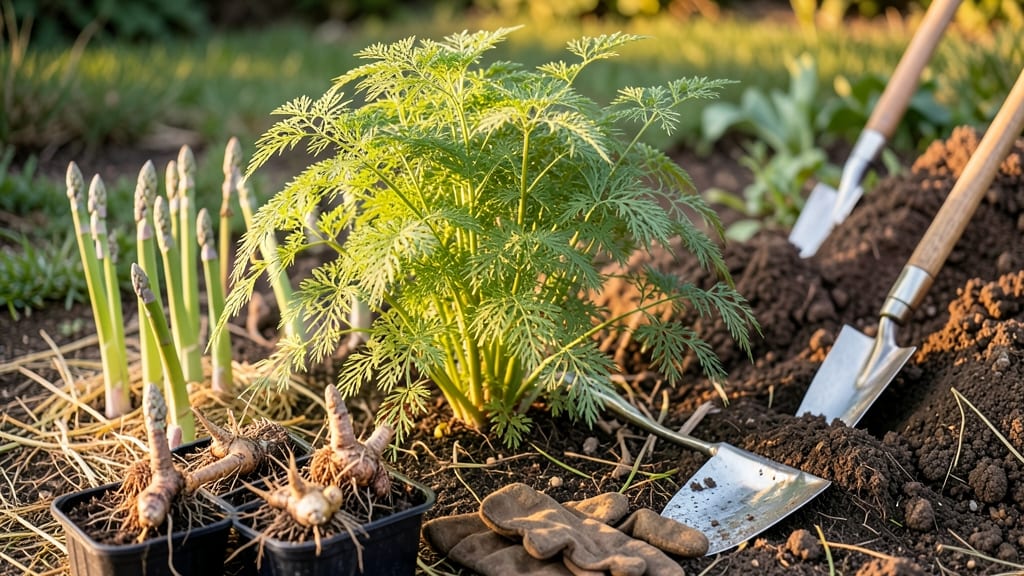
Timing your asparagus planting in Nebraska isn't just about picking a month—it's about beating the last frost while giving those crowns the perfect soil conditions to take root.
With USDA zones 5a-6b bringing unpredictable swings between 30°F and 70°F, even experienced gardeners can end up with stunted plants if they wait too long.
Most Nebraska growers swear by early spring planting—March to April—when soil temperatures hit that sweet spot of 50°F or warmer. But here's the catch: planting too early risks frost damage, while waiting too long means slower root establishment.
I've seen firsthand how a 2-week difference can mean the difference between a bumper crop and a sad patch of struggling spears.
You might be wondering whether to plant crowns or seeds. For Nebraska's short growing season, crowns are the clear winner—they establish faster and produce harvestable spears in just 2-3 years instead of the 3-4 years seeds require.
Plus, they handle our clay-heavy soils better when planted 6-8 inches deep with proper spacing.
What you'll discover in this guide are the exact planting windows that work for Nebraska's climate, soil prep secrets to prevent rot, and how to choose varieties that thrive despite our 165-day growing season.
Let's get those 🌱 asparagus crowns in the ground at the perfect moment for maximum yield.
Best planting months for asparagus in Nebraska’s climate zones
Nebraska’s USDA zones 4b–6a create unique challenges for asparagus growers. Unlike warmer climates, your planting window hinges on soil temperature (not just calendar dates) and frost risk. Most gardeners in Nebraska plant asparagus in early spring, but late summer offers a backup option if spring planting fails.
For spring planting, aim for March to early April when soil reaches 50°F+. This aligns with Nebraska’s last frost dates (typically mid-April), giving roots time to establish before summer heat.
If you miss spring, late summer (August–September) works too—just ensure soil stays warm enough for root growth before frost.
Cold-hardy varieties like ‘Jersey Knight’ tolerate Nebraska’s late frosts, but even they need 60+ frost-free days to mature. In zone 4b (western Nebraska), plant 2–3 weeks later than zone 6a to avoid spring freezes. Use a soil thermometer to confirm readiness—roots won’t grow below 50°F.
Pro tip: Cover crowns with straw mulch if planting in March to protect against unexpected late frosts. This buys time for roots to establish before Nebraska’s dry winds kick in. Avoid planting in May or June—spears will struggle to mature before frost.
| Planting Window | Soil Temp Requirement | Frost Risk | Best Varieties |
|---|---|---|---|
| March–Early April | 50°F+ | Low (post-last frost) | ‘Purple Passion’, ‘Jersey Knight’ |
| August–September | 60°F+ | High (pre-first frost) | ‘Mary Washington’, ‘Pacific’ |
| Avoid: May–June | N/A | Spears won’t mature | None |
🌱 Note: Nebraska’s western zones (4b) plant 2 weeks later than eastern zones (6a).
Nebraska’s clay-heavy soils in eastern regions (like Omaha) drain slower, so plant 1–2 weeks earlier to avoid waterlogged roots. In sandy soils (western Nebraska), wait until soil warms to 55°F—dry conditions can stress young crowns.
Test soil moisture by squeezing a handful; it should hold shape but not be soggy.
If you’re new to asparagus, crowns (not seeds) are your best bet for Nebraska’s short season. Crowns take 2–3 years to mature, but they establish faster than seeds. Plant them 6–8 inches deep in trenches to encourage root spread. Mark planting spots with biodegradable flags—asparagus beds are permanent!
Watch for false springs in Nebraska, where warm spells trick you into planting too early. Use a frost calendar (like Nebraska State Climate Office data) to track trends. For example, Lincoln’s average last frost is April 15, but Scottsbluff’s is May 1—adjust accordingly.
Once planted, mulch heavily with straw or wood chips to retain moisture and regulate soil temperature. Nebraska’s windy conditions can dry out soil quickly, so mulch also protects young plants. Avoid synthetic mulches—they can suffocate roots in Nebraska’s dense clay.
Remember: Patience is key. Asparagus crowns won’t produce spears until year 3, but proper timing now ensures a 20-year harvest. Nebraska gardeners who nail their planting window often harvest 3–5 years longer than those who rush.
Best planting months for asparagus in Nebraska’s climate zones
Nebraska’s USDA zones 5a-6b create a delicate balance for asparagus planting—too early and frost zaps your crowns, too late and roots struggle to establish before summer heat. The ideal window for most of the state is mid-March through April, when soil temperatures consistently reach 50°F or warmer.
This timing aligns with Nebraska’s last average frost date (around April 15 in western zones, May 1 in eastern areas).
For gardeners in western Nebraska (zones 4b-5a), aim for late March to early April—soil warms faster in these drier regions, but early planting risks unexpected late frosts. In eastern Nebraska (zones 5b-6a), where humidity slows soil warming, mid-April is safer.
Pro tip: Use a soil thermometer—plant only when temps stay above 50°F for 5+ days.
Fall planting is possible in Nebraska’s southern zones (6a), with September being the last chance. Crowns planted in fall get a head start on root growth before winter, but they must be deeply mulched (4-6 inches) to protect against freeze-thaw cycles.
Avoid fall planting in northern zones (5a and colder)—the risk of winter heaving outweighs any benefits.
| Zone & Location | Best Planting Window | Soil Temp Requirement | Key Risk |
|---|---|---|---|
| Western NE (4b-5a) | Late March–Early April | 50°F+ (consistent) | Late spring frosts |
| Central NE (5b) | Mid-April | 50°F+ (5+ days) | Unpredictable frost |
| Eastern NE (6a) | Mid-April–Early May | 50°F+ (7+ days) | Slow soil warming |
| Southern NE (6a) | Late March OR September | 50°F+ (spring) / 60°F+ (fall) | Fall planting requires heavy mulch |
If you miss the spring window, don’t panic—asparagus crowns can handle Nebraska’s heat once established. However, planting after May 1 delays first harvest by 1-2 years as roots struggle to mature.
For container growing (common in urban Omaha or Lincoln), plant 2-3 weeks earlier—containers warm up faster but dry out quicker, so monitor soil moisture closely.
One mistake I’ve seen Nebraska gardeners make is planting based on calendar months instead of soil conditions. For example, March planting in eastern Nebraska often fails because cold, wet soils prevent root establishment.
Always check for 50°F+ soil temps—this is your true planting cue, not the date on your calendar.
For maximum yield, pair your planting timing with crown selection. In Nebraska’s short season, prioritize cold-hardy varieties like ‘Mary Washington’ or ‘Jersey Giant’—they tolerate our late frosts and still deliver heavy harvests by early June.
Planting at the right time isn’t just about avoiding frost; it’s about giving your asparagus the 6-8 week growing window it needs to bulk up roots before summer’s intensity hits.