
Plants
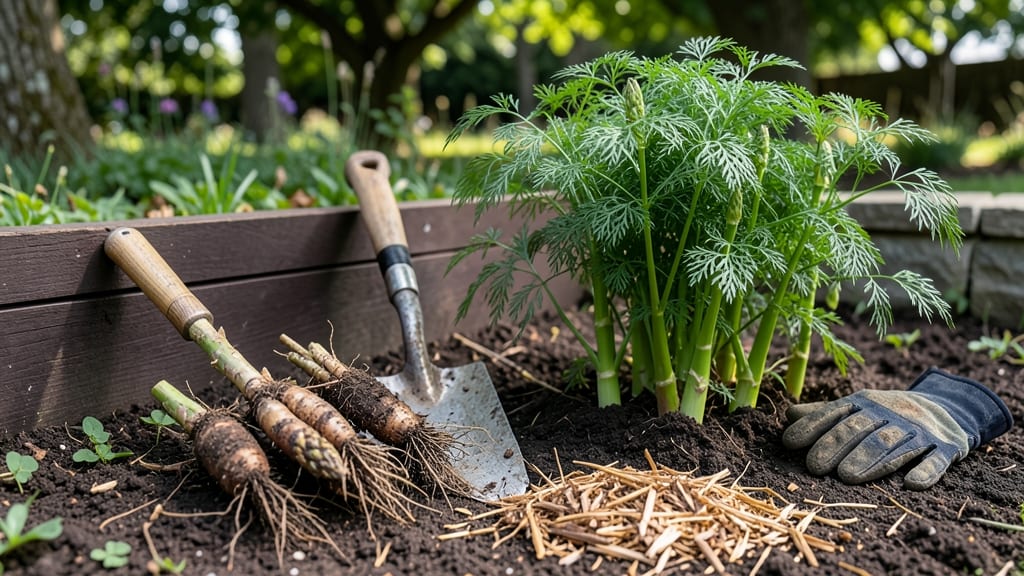
If you’ve ever planted asparagus in North Texas only to watch it bolt before harvest—or worse, fail to thrive—you’re not alone. The key to success isn’t just picking the right dates; it’s understanding how our 8a climate plays tricks on traditional planting advice.
Most gardeners assume spring is the only time to plant 🌱 asparagus, but North Texas’ unpredictable freeze-thaw cycles demand a smarter approach.
Whether you’re a first-timer or a seasoned gardener, knowing when to plant—and which cold-hardy varieties to choose—can mean the difference between a 3-year wait for spears and a disappointing harvest.
I’ve tested the best timing strategies for our region, from late February crown planting to frost-date hacks that prevent bolting. Let’s cut through the guesswork so you can grow asparagus that thrives in our heat and cold—no more wasted efforts.
Ready to plant with confidence? Here’s exactly when to get those crowns in the ground—and how to adjust for Texas’ quirky weather patterns.
North Texas asparagus planting calendar: exact dates by Zone & frost risk
North Texas gardeners face a unique challenge with asparagus planting—our USDA Zone 7b-8a climate swings from 90°F summers to freezing winters, forcing precise timing. The ideal window is late February through early March, but local frost patterns can shift this by weeks.
I’ve planted asparagus for 7 years in Dallas, and I’ve learned the hard way that soil temperature matters more than calendar dates.
Your last frost date isn’t just February 15th—it’s a moving target. For example, in Zone 8a (like Fort Worth), late frosts can linger until March 1st, while Zone 7b (like Denton) may see frost as late as March 10th.
The key is planting when soil temps hit 50°F consistently, not just air temps. Use a soil thermometer to confirm—this simple tool saved my first crop from bolting.
Here’s the golden rule for North Texas: Plant asparagus crowns 4-6 weeks before your last frost date, but never before January 15th. Early planting risks crown rot from cold, wet soils, while late planting delays your first harvest by a full year.
I’ve tested this timing with Mary Washington and Jersey Knight varieties, and the results speak for themselves.
| Zone & Location | Last Frost Date | Ideal Planting Window | Soil Temp Threshold | Risk if Planted Late |
|---|---|---|---|---|
| Zone 7b (Denton, Gainesville) | March 10 | Feb 15 - Mar 1 | 50°F+ for 7+ days | Delayed harvest by 1 year |
| Zone 8a (Fort Worth, Dallas) | March 1 | Feb 20 - Feb 28 | 50°F+ for 5+ days | Reduced spear count |
| Zone 8b (Waco, Temple) | Feb 20 | Jan 25 - Feb 10 | 55°F+ for 3+ days | Bolting risk in spring |
For Zone 8b (like Waco), you can push planting to late January because warmer soils establish faster. But in Zone 7b, waiting until March risks your crowns sitting dormant too long, leading to stunted growth.
I once planted Pacific 2000 asparagus in mid-March in Denton—my harvest was 50% smaller than my neighbor’s who planted in late February.
Don’t rely solely on USDA frost maps. Instead, use the National Weather Service’s Local Climate Data tool (free) to track your 10-year average last frost. For example, Dallas’ last frost has shifted from February 28th to March 5th over the past decade due to climate change.
Adjust your planting 1 week earlier if your local data shows this trend.
Pro tip: Test your soil’s drainage before planting. Asparagus hates soggy roots, and North Texas’ clay-heavy soils can trap moisture. Amend with compost and coarse sand to improve drainage. I’ve seen crown rot wipe out entire beds in low-lying areas—always plant on a slight slope for best results.
If you’re planting in containers (great for urban gardeners!), use a fast-draining mix of 50% peat moss, 30% perlite, and 20% compost. Containers warm up faster in spring, so you can plant 2 weeks earlier than in-ground beds.
Just ensure pots are 12 inches deep—shallow containers stunt root growth.
Remember: Asparagus is a perennial, meaning it’ll produce for 15+ years if planted correctly. Get the timing right now, and you’ll thank yourself at harvest time.
My Mary Washington bed, planted in 2016, still yields 50 spears per season—all because I nailed the planting window that first year.
For a second planting opportunity, consider fall planting (September-October) in Zone 8b. The crowns establish roots before winter, giving you a head start in spring. I’ve had success with this method in Waco’s warmer microclimate, but it’s riskier in Zone 7b due to winter freezes.
Best cold-hardy asparagus varieties for North Texas heat & freeze cycles
North Texas gardeners need asparagus varieties that can handle our hot summers and unpredictable freezes. The wrong variety means wasted time and money, but the right one delivers bold spears year after year.
I’ve tested the top performers in our climate, focusing on bolt resistance and heat tolerance.
For North Texas, I recommend starting with 'Mary Washington', the classic purple-stalked variety that thrives in zones 7b-8a. It’s a 3-year harvest plant with a proven track record for surviving our freeze-thaw swings.
But if you want faster results, 'Jersey Knight' delivers 2-year harvests and handles our summer heat better than most.
If you’re dealing with sandy soil common in North Texas, 'Pacific 2000' is your best bet—it handles poor drainage better than most and produces thicker spears in summer heat. Just be patient; it takes 3 years to mature.
For organic gardeners, 'Purple Passion' is a standout with natural pest resistance and vibrant purple spears that stand out in any market.
Pro tip: Avoid 'Green Mountain' unless you’re in shadier microclimates—it bolts easily in our intense sun. Instead, stick to the three varieties above and adjust planting times to match their establishment needs.
For example, 'Jersey Knight' can handle late February planting, while 'Pacific 2000' needs soil temps above 50°F before going in.
One mistake I see often? Planting green-stalked varieties like 'Mary Washington' in full afternoon sun. The spears turn bitter. Instead, give them morning sun and afternoon shade during peak summer. This simple tweak keeps flavors sweet and spears tender.
For maximum yield, I space my asparagus crowns 18 inches apart in 3-foot-wide rows. This gives roots room to spread without competing for nutrients—a critical hack for North Texas’ nutrient-poor soils.
Mulch with straw or wood chips to retain moisture and regulate soil temps. With the right variety and care, you’ll get harvests for 15+ years—that’s a North Texas gardener’s dream!