
Plants
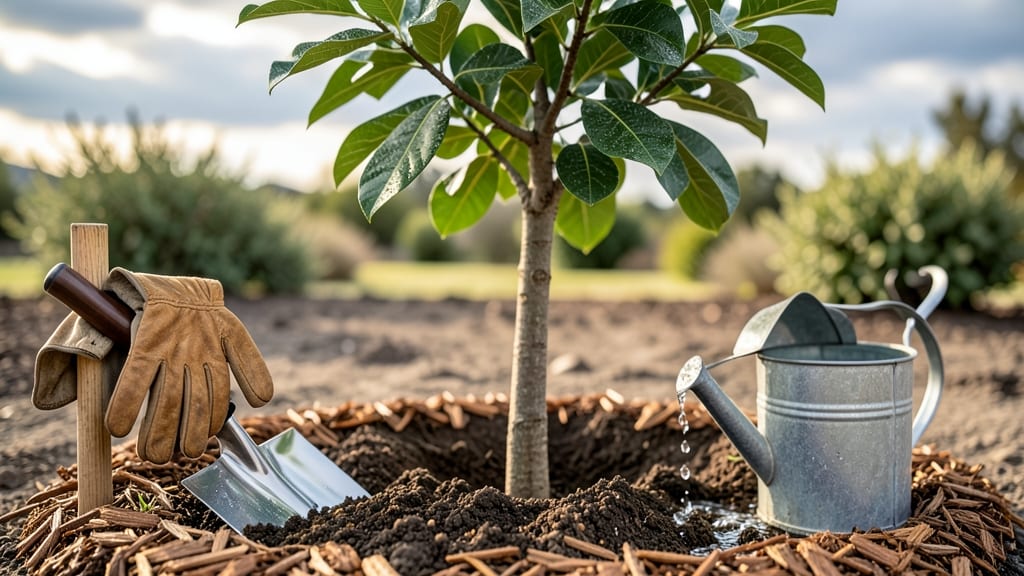
Planting your avocado tree in the ground 🥑 at the wrong time can mean the difference between a thriving fruit-bearing giant and a frost-killed sapling—so timing isn’t just important, it’s everything.
In USDA Zone 6a, where late frosts linger until mid-May, rushing the process could spell disaster for your young tree.
Most gardeners assume spring planting means "as soon as possible," but soil temperature matters more than calendar dates. Avocado trees need consistently warm soil—60°F or above—to establish roots properly, and waiting for that warmth (usually late May or early June) gives your tree the best shot at survival.
I’ll break down the exact windows for your zone, how to test soil warmth, and why planting too early is one of the biggest mistakes gardeners make. Let’s make sure your avocado tree 🥑 gets off to the right start.
Whether you’re a first-time planter or a seasoned gardener, these insights will help you avoid common pitfalls and give your tree the best chance to grow strong and healthy. Ready to dig in?
Best planting months for avocado trees by USDA hardiness Zones
Avocado trees thrive in USDA Zones 9-11, but with the right care, you can grow them in Zones 8-10 too—just time your planting perfectly. The last frost date and soil temperature are your best guides, not just the calendar.
In Zone 10, you can plant as early as February, while Zone 8 gardeners should wait until May or even June to avoid frost damage.
Microclimates play a huge role—coastal areas with milder winters can plant 2-4 weeks earlier than inland regions. For example, San Diego (Zone 10) might plant in February, while Phoenix (Zone 9) should wait until March.
Always check your local frost-free date and add a 2-4 week buffer for safety.
Critical temperature thresholds matter more than dates: soil should stay above 60°F (15°C) for at least 2 weeks before planting. Air temperature is less important—50°F (10°C) nights can still harm young trees. Use a soil thermometer to confirm warmth before planting.
If you’re in Zone 7 or colder, container growing is your best bet—move pots indoors during winter. Young trees in containers can handle temporary cold snaps down to 28°F (-2°C) if protected, but permanent outdoor planting isn’t recommended.
For Zones 9-11, fall planting (September–October) is also possible, but spring planting gives roots more time to establish before summer heat.
Pro tip: Test your soil’s warmth by placing a thermometer 4 inches deep for 3 days. If it’s consistently 60°F+, your avocado tree is ready for the ground. Ignore this, and you risk root rot from cold, soggy soil or frost damage to tender new growth.
For coastal gardeners, ocean breezes can delay frost, so plant 2-4 weeks earlier than inland guidelines. Inland areas, however, should wait until all frost risk has passed—even a light freeze (28°F) can kill young trees. Always monitor your local National Weather Service alerts for unexpected cold snaps.
Once you’ve nailed the timing, plant in full sun and well-draining soil to avoid waterlogged roots. Amend heavy clay soil with compost or sand to improve drainage.
Mulch around the base to retain moisture and regulate soil temperature—this is especially critical in Zone 8 where summer heat can dry out soil quickly.
Remember: Patience is key. Avocado trees planted in late spring may take 1-2 years longer to bear fruit than those planted in ideal conditions, but the wait is worth it for that first creamy, buttery avocado straight from your backyard.
Soil temperature secrets: how warmth trumps calendar dates
Avocado trees are tropical divas—they hate cold soil more than they hate frost. While your local last frost date is important, soil temperature is the real game-changer. These trees need soil that stays consistently above 60°F to thrive.
Planting too early in cool soil can stunt roots and invite fungal diseases, even if the air feels warm.
Think of it like baking a cake: you wouldn’t pop it in the oven if the pan is icy cold, right? The same logic applies. Soil warmth signals your avocado tree it’s safe to grow.
In USDA Zone 9-11, you might plant as early as February or March, but in Zone 8 or cooler, you’ll need to wait until May or June when soil finally warms up.
Key Takeaway: Soil > Air Temperature
- 60°F+ soil = Safe planting zone
- Below 55°F = Root stress risk
- Test with a thermometer 6" deep for accuracy
- Mulch heavily to retain warmth in cooler zones
- Containers warm faster—ideal for early starts
Don’t have a soil thermometer? No problem. Watch for wildflowers blooming or earthworms surfacing—these are nature’s signs your soil is warm enough. In cooler climates, try planting in black containers or using row covers to accelerate soil warming.
Even a 10°F difference can mean the difference between a thriving tree and a struggling one.
Pro tip: If you’re in Zone 7 or colder, consider growing your avocado tree in a large container for the first few years. Pots warm up 3-5°F faster than in-ground soil, giving you a head start on the growing season.
Just make sure the container has drainage holes—avocado trees hate soggy roots more than they love frost.
Remember, patience is key. Rushing into planting because the calendar says "spring" can backfire if the soil is still chilly. Wait until you can stick your hand 6 inches deep and feel warmth radiating back—that’s your green light.
The few extra weeks waiting will pay off with stronger roots and bigger fruit down the line.
Once your soil hits that 60°F threshold, your avocado tree will reward you with faster growth and healthier foliage. And trust me, there’s nothing more satisfying than watching those first leaves unfurl on a tree you planted at the perfect moment.