
Plants
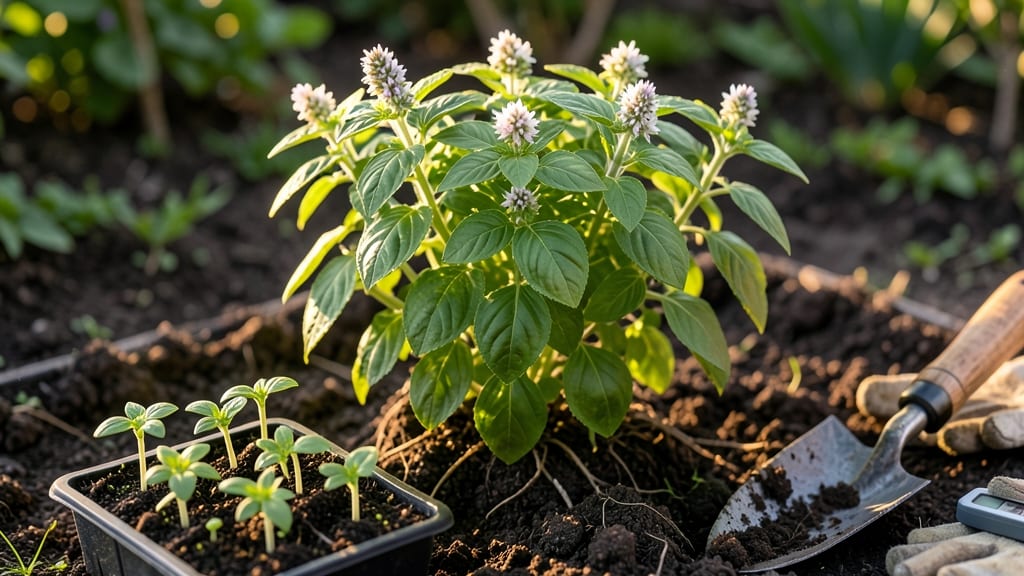
Timing is everything when it comes to when to plant basil in Colorado, and getting it wrong can mean the difference between a thriving herb garden and a bitter disappointment.
The high-altitude climate and unpredictable frost dates make this a tricky herb to master, but with the right approach, you can enjoy fresh 🌿 all summer long.
Most Colorado gardeners wait until after the last frost—typically late April to early May—but that’s just the starting point. Soil temperature plays a bigger role than many realize, and planting too early in cooler zones like 5-7 can stunt growth or even kill your plants before they take off.
In this guide, I’ll break down the exact planting windows for your specific microclimate, whether you’re on the Front Range, Western Slope, or Eastern Plains. You’ll also learn how to extend the growing season so your basil stays sweet and productive from June through September—no bolting required.
Ready to avoid the common mistakes that turn basil into a sad, flowering shadow of its former self? Let’s get started with the foolproof Colorado planting schedule that actually works.
Colorado microclimate zones: basil planting dates by elevation and last frost dates
Colorado’s dramatic elevation shifts—from the Front Range’s 5,000 feet to the Western Slope’s 10,000+ feet—mean your basil’s planting window can vary by 6 weeks or more. Unlike coastal regions, Colorado’s high-altitude zones experience colder soils and later frost dates, so blindly following calendar months guarantees failure.
Let’s break down the exact planting windows for your specific microclimate.
First, identify your USDA zone (5-7) and elevation range. The Front Range (Denver, Boulder) typically falls in zones 5-6, while the Western Slope (Aspen, Telluride) sits in zone 6-7 but with earlier frost risks due to higher elevations.
The Eastern Plains (Colorado Springs, Pueblo) often sees warmer microclimates with later frosts.
For direct sowing, wait until soil temperatures hit at least 50°F (10°C)—use a soil thermometer to avoid guessing. In Denver (5,280 ft), this usually aligns with mid-May, while Aspen (7,800 ft) may need to wait until late May or early June.
Transplants can handle slightly cooler soils (45°F/7°C), giving you a 2-week head start.
Here’s the critical rule: Plant basil 2-3 weeks after your last average frost date. Colorado’s frost dates vary wildly—check your local CoCoRaHS station for precise data.
For example, Fort Collins averages its last frost on May 5, while Grand Junction sees its last frost by April 15. This means Grand Junction gardeners can plant 2 weeks earlier than Denverites.
High-altitude areas like Leadville (10,152 ft) or Steamboat Springs (6,700 ft) require extra caution. These zones often see late May or June planting windows, and even then, row covers or cold frames are essential for protection.
If you’re in a zone 7 microclimate (e.g., Durango), you might squeeze in one early spring planting and a fall succession crop before the first frost in mid-October.
Pro tip: Use Colorado State University’s frost date maps (available via their Extension Office) to pinpoint your exact last frost date. Add 2-3 weeks to that date for your optimal planting window.
For instance, if your last frost is May 1, aim for May 15-20 to avoid frost damage while giving plants time to establish before summer heat.
If you’re direct sowing (planting seeds outdoors), start seeds indoors 4-6 weeks before your last frost date to get a jump on the season. For Denver gardeners, that means mid-April starts, while Aspen growers should begin in late April.
Seedlings need bright light (12+ hours/day) to avoid leggy growth, so supplement with grow lights if natural light is limited.
For transplants, purchase <
How to extend basil’s growing season in Colorado without risking bolting
Colorado’s unpredictable frost dates and high-altitude heat spikes can sabotage your basil before it even reaches harvest. But with the right strategies, you can stretch your growing season by 4-6 weeks—giving you fresh basil from early June through September.
The key? Protecting tender seedlings from late frosts while shielding mature plants from heat-induced bolting.
Start by hardening off indoor starts for 7-10 days before transplanting. This toughens stems to handle 30°F temperature swings common in Colorado’s mountain valleys. Pair this with row covers or cold frames to create a 5-10°F warmer microclimate—critical for extending your first planting window by 2-3 weeks.
🌱
- 1 Succession Planting: Sow seeds every 2 weeks from mid-May to early July for staggered harvests. Use biodegradable pots to transplant seedlings without disturbing roots.
- 2 Companion Planting: Pair basil with tomatoes or peppers to create shade during afternoon heat (12-4 PM). This lowers soil temps by 5-8°F, delaying bolting.
- 3 Drip Irrigation: Water at soil level (not overhead) to avoid leaf wetness that triggers fungal diseases. Use timers for early morning watering (5-7 AM) to reduce evaporation.
- 4 Shade Cloth: Deploy 30-50% shade cloth when temps exceed 85°F (common in Denver and Front Range by July). This buys you 3-4 weeks of harvestable growth.
- 5 Late-Season Harvest: Pinch off flower buds in August to redirect energy to leaves. Mulch with straw to insulate roots during nighttime temperature drops (common in Eastern Plains).
For high-altitude areas (e.g., Aspen or Leadville), delay your first planting until June 1 to avoid late May frosts. Instead, focus on container growing—move pots to sunny patios during the day and sheltered garages at night. This method adds 6-8 weeks to your season.
Pro tip: Monitor your local Almanac frost dates but adjust by 10-14 days later for Colorado’s unreliable spring. For example, if your last frost is April 15, wait until May 1 to plant. This zero-bolt strategy ensures your basil stays tender and flavorful all summer.
With these tactics, you’ll turn Colorado’s challenging climate into an advantage—harvesting basil longer than most gardeners in the region. The secret? Proactive protection and flexible timing.