
Plants
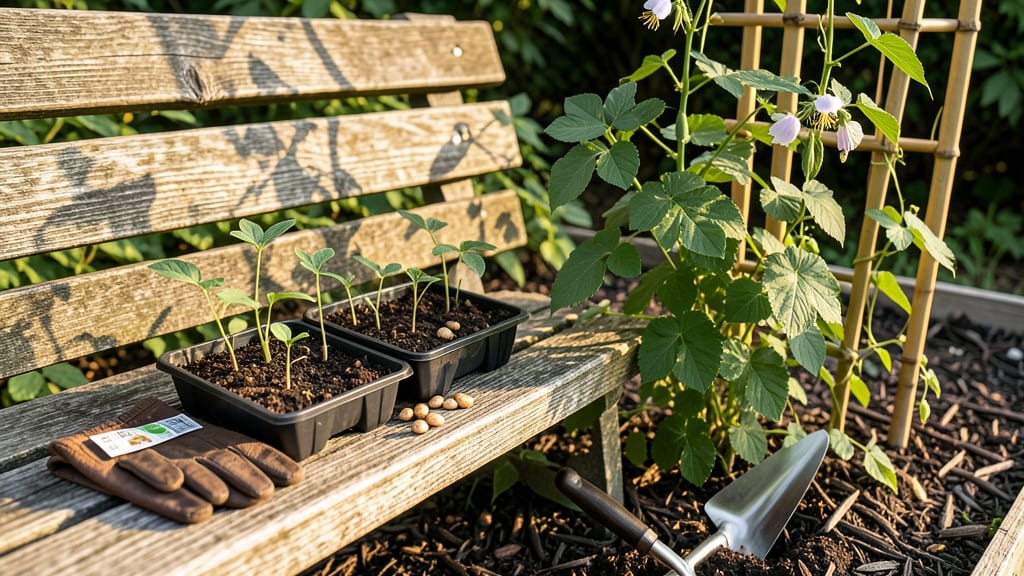
Timing your bean planting in Zone 7 could mean the difference between a thriving 🌱 harvest and a wasted effort—because those delicate seedlings can't handle either frost or scorching heat. If you've ever watched your hard work wither under the wrong conditions, you know how frustrating it can be.
The key is planting when soil temperatures hit that sweet spot of 60°F+, which in Zone 7 typically lands in April-May for spring or August-September for fall.
But here's the catch: Northern parts of Zone 7 might need to wait until late April, while Southern areas can start earlier—so knowing your microclimate makes all the difference.
In this guide, I'll break down exactly when to plant for maximum success, including how to adjust for heat-sensitive varieties and avoid common mistakes that ruin crops. You'll learn the 30-day windows that work best and how to extend your growing season for a second harvest.
Ready to grow beans that thrive? Let's get started with the perfect planting schedule tailored just for your Zone 7 garden.

Ideal planting windows for beans in Zone 7: spring vs fall breakdown
Beans thrive in Zone 7 when planted during two key windows: spring and fall. The difference between these seasons isn’t just timing—it’s about avoiding frost damage in spring and heat stress in late summer.
For most of Zone 7, the last frost date averages around April 15, while the first frost hits near October 15. This gives you a 165-day frost-free window—perfect for two harvests if timed correctly.
Spring planting should begin 2–4 weeks after your last frost date, typically in mid-April to early May. This timing ensures soil temperatures stay above 60°F, which is critical for germination.
Fall planting, on the other hand, works best in late August to early September, allowing beans to mature before cooler weather sets in. However, varieties differ in heat tolerance, so choosing the right type matters.
| Season | Optimal Planting Window | Soil Temp Requirement | Harvest Window | Key Consideration |
|---|---|---|---|---|
| Spring | Mid-April to early May | Above 60°F | June to July | Avoid late frosts; use row covers if needed |
| Fall | Late August to early September | Above 65°F (warmer soil helps) | September to October | Plant heat-tolerant varieties for late-season success |
Zone 7 isn’t uniform—sub-regions like Northern Virginia or Central Texas have slightly different microclimates. For example, areas with hotter summers (like Texas) may need to plant beans earlier in spring to avoid 100°F+ heat, which can stunt growth.
Conversely, cooler pockets (like the Appalachians) might extend the fall window slightly later into September. Always check your local USDA Zone 7a/b/c specifics for finer adjustments.
Another critical factor is soil temperature. Beans won’t germinate well in cold soil, even if air temperatures are warm. Use a soil thermometer to confirm readings above 60°F before planting.
If your soil is too cool, wait a few more days or use black plastic mulch to warm it faster. This is especially important for fall plantings, where cooler nights can slow growth.
For spring plantings, aim to finish harvesting by mid-July to avoid the dog days of summer, when beans can become bushy and woody. Fall plantings should be in the ground by early September to ensure pods mature before the first frost.
If you’re in a warmer microclimate (like Zone 7b/c), you might push fall plantings to mid-September, but monitor weather forecasts closely.
Pro tip: Succession planting can maximize your harvest. Sow a new batch of seeds every 2 weeks in spring (starting in April) and again in late July for fall.
This ensures a steady supply of fresh beans instead of one massive harvest. Just be sure to space plantings so you’re not overcrowding your garden.
Companion planting also plays a role in timing. Pair beans with corn and squash (the "Three Sisters" method) to improve soil health and deter pests. However, avoid planting near onions or garlic, which can inhibit bean growth. Timing these companions correctly—alongside your bean schedule—can further boost your success rate.
If you’re unsure about your local frost dates, consult your local cooperative extension office or use online tools like the Almanac’s Frost Calculator. These resources provide hyper-local data that’s far more accurate than general Zone 7 guidelines.
With the right timing, you’ll enjoy a bountiful harvest of fresh, homegrown beans all season long.
Remember, beans are fast growers—most varieties mature in 50–60 days. This means you can fit two full harvests into Zone 7’s growing season if you plan carefully.
Start with a test batch in spring to gauge your garden’s conditions, then refine your fall schedule based on what you learn.
Ideal planting windows for beans in Zone 7: spring vs fall breakdown
In Zone 7, your bean planting success hinges on understanding the 30-day windows that align with soil temperatures and frost risks.
Spring planting typically starts 2-4 weeks after your last frost date, while fall planting should occur 8-10 weeks before your first frost—both critical for avoiding heat stress or cold damage.
For most of Zone 7, this means planting green beans between mid-April and mid-May for spring harvests, and late July to early August for fall harvests.
However, Zone 7a (cooler microclimates like Northern Virginia) may need to delay spring planting until early May, while Zone 7b/c (warmer areas like Central Texas) can start as early as late March.
Here’s how these windows break down for your garden:
| Planting Window | Soil Temp Requirement | Frost Risk | Best Varieties |
|---|---|---|---|
| Spring: Mid-April to Mid-May | 60–70°F (test with a soil thermometer) | Low (after last frost) | 'Blue Lake,' 'Kentucky Wonder' |
| Fall: Late July to Early August | 65–75°F (avoid planting when temps exceed 85°F) | Moderate (8–10 weeks before first frost) | 'Contender,' 'Tendercrop' |
| Succession Planting: Every 2 weeks (spring/fall) | 60°F+ (consistent) | Low (for spring; moderate for late fall) | Any bush variety |
Pro tip: Use a soil thermometer to confirm temperatures before planting—beans won’t germinate well below 60°F. In Zone 7b/c, you can even experiment with early March plantings under row covers if your soil warms quickly.
For pole beans, which take longer to mature, aim for late April plantings in spring to ensure they reach harvest size before summer heat sets in. Fall plantings should stop by mid-August to allow enough time for pods to develop before cooler weather arrives.
Remember, Zone 7’s long growing season (165 frost-free days) gives you flexibility, but precision is key. Plant too early, and frost will kill seedlings; plant too late, and your beans will bolt or struggle in heat.
Stick to these windows, and you’ll enjoy a steady supply of fresh, homegrown beans all season long!