
Plants
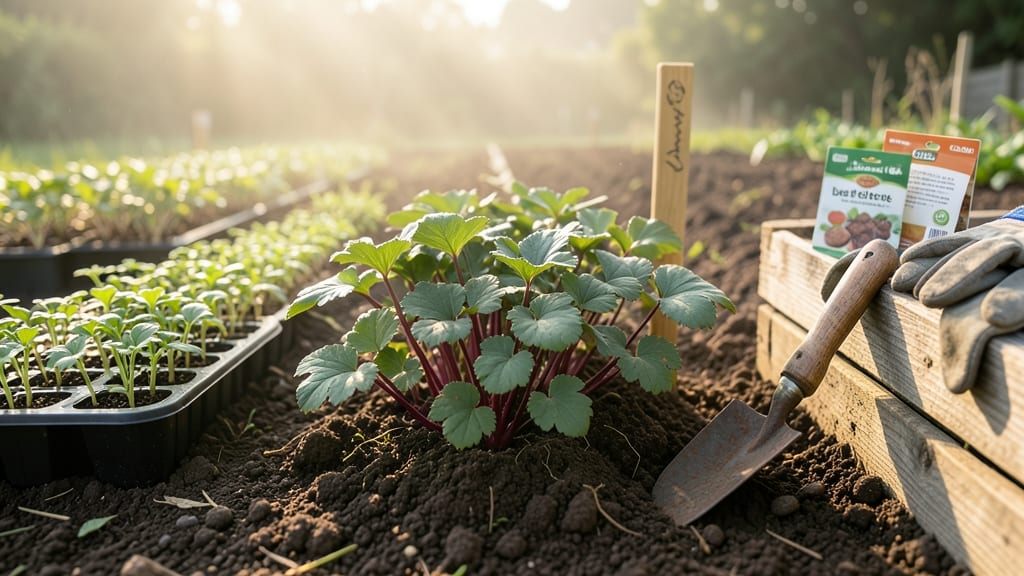
Knowing when to plant beets in Zone 5b makes all the difference between a thriving harvest and bitter disappointment. These earthy roots love cool weather, but get timing wrong, and they’ll bolt—turning sweet roots into tough, woody messes.
In my garden, mastering the two perfect windows (spring and fall) transformed my beet game.
The key is planting early enough to beat the heat but late enough to avoid frost. For Zone 5b, that means starting seeds indoors in March or sowing directly in April once soil hits 45°F.
But there’s a trickier second chance: late summer plantings in July can still yield fall harvests before the first frost hits.
What most gardeners miss? Beets are cool-season crops—they despise summer’s sweltering heat. That’s why succession planting (every 2-3 weeks) keeps your table stocked from June through November. I’ll show you exactly how to time it right, so you’re harvesting crisp, flavorful beets all season long.
Ready to ditch the guesswork? Let’s break down the exact planting schedule, soil temps to watch for, and how to protect your seedlings from Zone 5b’s unpredictable frosts. Your next beet harvest starts here.

Optimal spring planting schedule for beets in Zone 5b
Beets thrive in cool weather but bolt when temperatures rise—so timing is critical in Zone 5b. The ideal window for spring planting is mid-March to early April, when soil temperatures reach 45-50°F. This ensures seedlings emerge quickly without stress from heat waves.
If you plant too early, cold soil delays germination. Too late, and bolting (flowering prematurely) turns sweet roots bitter. Succession planting every 2 weeks after your last frost date (around April 15) keeps harvests steady through summer.
For Zone 5b gardeners, I recommend starting seeds indoors 4-6 weeks before the last frost if your spring is unpredictable. Harden off seedlings for 7-10 days before transplanting to avoid shock.
🌱 Spring Planting Timeline for Beets in Zone 5b
| Stage | Action | Notes |
|---|---|---|
| Early March | Test soil temperature | Use a soil thermometer—aim for 45°F+. |
| Mid-March | Direct sow seeds | Plant ½ inch deep, 1-2 inches apart. |
| Late March | Thin seedlings | Leave 2-3 inches between plants. |
| April 15+ | Succession plant | Sow every 2 weeks for continuous harvests. |
| June-July | Harvest | Pick when roots are 1-3 inches wide. |
💡 Pro Tip: Use shade cloth in late spring if temps exceed 75°F to delay bolting.
To extend your harvest window, try late-summer succession planting (July-August) for a fall crop. Beets planted in late summer mature just before frost, yielding tender roots perfect for storage.
For bolting-prone varieties, choose heat-tolerant types like 'Detroit Dark Red' or 'Golden'. These handle Zone 5b heat better than standard varieties and stay sweet longer.
Mulch heavily with straw or grass clippings to keep soil cool and retain moisture. This reduces stress on roots during hot spells that trigger bolting.
If your spring is unpredictable, opt for slow-bolting varieties like 'Chioggia' (striped beets) or 'Lutz Winterkeeper', which store well and tolerate cooler temps.
Remember: Consistent moisture is key. Let soil dry slightly between waterings to prevent woody roots, but never let it crust over—beets need deep, even water.
By following this timeline, you’ll avoid the #1 mistake Zone 5b gardeners make: planting too late and ending up with bitter, bolted beets instead of sweet harvests.
Fall planting strategy to prevent bolting and maximize yield
Fall planting gives you a second chance to grow sweet, tender beets in Zone 5b without the risk of early bolting. The key is timing—plant too late, and frost will ruin your crop; too early, and heat stress triggers flowering.
Aim for late July to early August when soil temperatures drop below 80°F but remain warm enough for germination.
Beets are cool-season crops, meaning they thrive in 50-70°F soil temperatures. In Zone 5b, this window typically opens after the July 4th weekend when daytime highs begin to dip.
Use a soil thermometer to confirm—ideal germination occurs at 60-70°F. If your soil runs hotter, wait until late August for a second planting.
Here’s the critical timeline for fall success in Zone 5b:
⚠️ Fall Planting Warning
Planting beets after September 1st in Zone 5b risks premature bolting from shortening daylight. Seedlings need 10-12 weeks to mature before the first frost (October 15). Use fast-maturing varieties like 'Detroit Dark Red' (50 days) or 'Golden' (55 days) to guarantee harvests.
🌱 Pro Tip: Cover seeds with black plastic mulch for 2 weeks post-planting to warm soil and speed germination.
Prepare your soil by amending with compost or aged manure to improve drainage—beets hate soggy roots. Test your soil pH (6.0-7.0) and add lime if needed.
Plant seeds ½ inch deep in rows spaced 12 inches apart, thinning seedlings to 3 inches apart once they reach 2 inches tall.
To protect young plants from early frost, use row covers or lightweight fabric when nighttime temps drop below 40°F. Beets tolerate light frosts (25°F) but may develop woodiness if exposed to hard freezes. Harvest before the ground freezes to enjoy sweet, crisp roots through November.
For a continuous harvest, stagger plantings every 2 weeks from late July to mid-August. This ensures a steady supply of beets while avoiding the bolting trigger of long daylight hours. Store harvested beets in the fridge for up to 2 weeks or preserve them by pickling or roasting.
Fall-planted beets often taste sweeter due to cooler nights and slower growth. With the right timing and care, you’ll enjoy homegrown beets long after your spring crop is a memory. Don’t let Zone 5b’s short growing season limit your harvest—plan ahead and savor the rewards! 🍠