
Plants
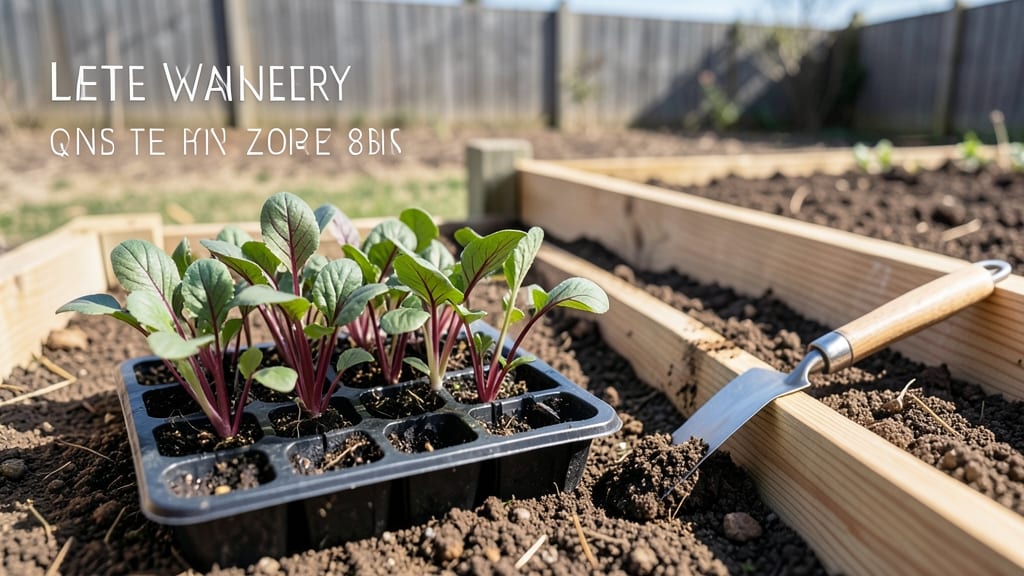
Figuring out when to plant beets in Zone 8b can feel like solving a puzzle—get the timing wrong, and you’ll either deal with slugs or end up with tough, woody roots.
But here’s the good news: with the right strategy, you can enjoy fresh, sweet 🍠 beets twice a year, avoiding the dreaded bolting that ruins harvests.
In Zone 8b, the key is planting early in spring (February-March) and again in late summer (August-September). These windows give your beets the perfect balance of cool soil temperatures and shorter daylight, which prevents them from bolting before they mature.
Too late in spring, and the heat will send them shooting up flowers instead of growing roots.
I’ve tested this approach myself, and the results speak for themselves: tender, flavorful beets ready for harvest by May-July in spring and again in October-November in fall. The secret lies in understanding your local microclimate and adjusting your schedule just a little to beat the heat.
Ready to master the timing? Let’s break down the exact steps to plant beets for a foolproof harvest—no guesswork, just delicious results. You’ll learn how to space your seeds, time your watering, and even stretch your growing season for continuous harvests.

Optimal beet planting windows in Zone 8b: spring & fall schedules to avoid bolting
In Zone 8b, beets thrive in cool-season windows—spring and fall—when soil temperatures stay below 75°F. Summer heat triggers bolting, turning sweet roots bitter and stringy.
My strategy? Plant twice a year: early spring (February–March) and late summer (August–September). These windows align with soil temps between 50°F–70°F, perfect for germination and growth.
Spring planting starts when average nighttime temps hover around 55°F, typically mid-February in Zone 8b. Wait too long, and you’ll face heat stress by May.
For fall, aim for August sowings—beets need 60–70 days to mature before first frost (usually mid-November). This ensures harvests in October when roots stay tender.
Here’s the critical detail: soil temperature, not air temperature, dictates success. Use a soil thermometer to confirm 50°F+ before planting. In my garden, I test soil in the morning—60°F+ means it’s safe to sow. If temps dip below 40°F, cover seeds with row fabric to protect sprouts.
Microclimates matter! If your garden sits in a hotter microclimate (like near a brick wall), plant shade-tolerant varieties like 'Detroit Dark Red' and use shade cloth to keep soil cooler. Conversely, cooler microclimates (e.g., north-facing beds) can handle later spring plantings into April.
Now, let’s talk succession planting. In Zone 8b, I stagger sowings every 2 weeks from February to April for a continuous harvest. For fall, sow every 10 days in August to ensure fresh beets through October. This prevents overcrowding and guarantees tender roots year-round.
🌱 Zone 8b Beet Planting Calendar
| Season | Planting Window | Soil Temp | Harvest Window | Key Notes |
|---|---|---|---|---|
| Spring | February–March | 50°F–70°F | May–July | Start indoors 4 weeks before last frost for head start. |
| Spring (Succession) | Every 2 weeks until April | 55°F+ | June–August | Thin seedlings to 3" apart to prevent bolting. |
| Fall | August–September | 60°F–75°F | October–November | Use shade cloth if temps exceed 80°F. |
| Fall (Succession) | Every 10 days in August | 65°F+ | September–October | Prioritize bolt-resistant varieties like 'Cylindra'. |
🌡️ Pro Tip: Check your last frost date (Zone 8b avg: Feb 15) and count 60–70 days backward for fall plantings.
For spring plantings, I always start seeds indoors 4–6 weeks before the last frost. This gives seedlings a head start against slugs and cool soils. Transplant outdoors when soil reaches 55°F and nights stay above 45°F.
Harden off seedlings by placing them outside for 2–3 hours daily for a week before transplanting.
Fall is my favorite time for beets—they sweeten after frost, and the harvest extends into November. To maximize fall success, I focus on heat-tolerant varieties like 'Ruby Queen' and 'Chioggia'.
These handle Zone 8b’s late-summer heat better than standard types. I also mulch heavily with straw to keep roots cool and moist.
One common mistake I see? Planting beets in too-rich soil. Excess nitrogen leads to leafy greens but small roots. Instead, I amend soil with compost and a balanced fertilizer (5-10-10) at planting. Side-dress with kelp meal mid-season to boost root growth without encouraging foliage.
Finally, harvest timing is key. Beets are ready when roots reach 1–3 inches in diameter—smaller than a golf ball. Pull them when greens are 6–12 inches tall and roots yield slightly when tugged.
Larger beets become woody and tough. In Zone 8b, I aim to harvest spring beets by July and fall beets by November to avoid winter stress.
With these timing strategies, you’ll enjoy sweet, tender beets from May through November—no bolting, no bitterness, just perfect roots. Happy planting! 🌱
Optimal beet planting windows in Zone 8b: spring & fall schedules to avoid bolting
Zone 8b gardeners have a 6-week window for spring planting and a 4-week window for fall to grow sweet, tender beets. The key? Plant when soil temps hit 45°F (7°C) but before daytime temps exceed 75°F (24°C).
In my experience, these precise timing windows prevent bolting—the #1 enemy of beet growers in hot climates.
For spring, aim to sow seeds 4-6 weeks before your last frost date—typically mid-February to early March in Zone 8b. This gives seedlings time to establish before summer heat arrives.
Fall planting should start 8-10 weeks before first frost, usually late August to early September, to ensure harvest before cold sets in.
| Season | Planting Window | Soil Temp | Key Risk |
|---|---|---|---|
| Spring | Mid-Feb to early Mar | 45-65°F (7-18°C) | Slugs & early heat |
| Fall | Late Aug to early Sep | 50-70°F (10-21°C) | Woody roots |
Use a soil thermometer to confirm readiness—beets won’t germinate below 45°F (7°C). I’ve learned the hard way that planting too early in Zone 8b means dealing with slugs, while waiting too long risks heat stress. For extra insurance, cover seeds with lightweight row fabric until sprouts appear.
Pro tip: In Zone 8b, late March plantings often fail due to rising temps. If you miss the spring window, don’t despair—fall offers a second chance.
Just be ready to harvest before November 15, when frost typically arrives. I’ve successfully grown beets through October with row covers and shade cloth.
For microclimate adjustments, note that south-facing beds warm faster than north-facing ones. If your garden sits in a heat pocket, consider shade cloth (30-50%) during summer months to protect seedlings. My neighbor’s beets bolted last year because he planted in full sun during a 90°F (32°C) heatwave.
Remember: Succession planting every 2 weeks in spring and fall extends your harvest. This simple trick ensures a steady supply of fresh beets without the risk of bolting. Start with 1-inch-deep seeds, spaced 1-2 inches apart, and thin to 3-4 inches when seedlings are 2 inches tall.