
Plants
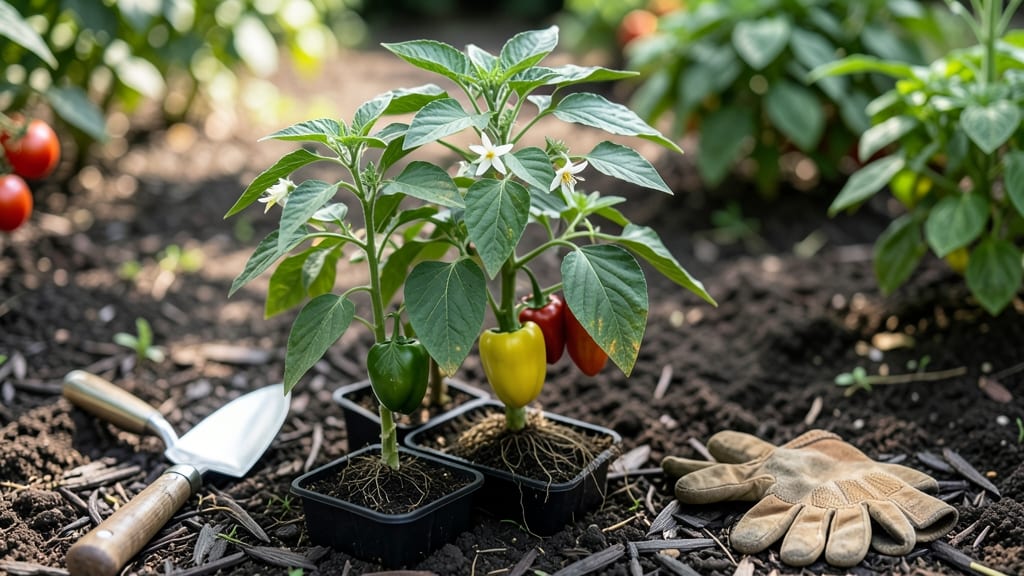
Timing your 🌶️ bell pepper planting in Oregon could mean the difference between a bountiful harvest and a sad, wilted garden.
With frost-free dates shifting from Portland to Medford, getting those seeds in the ground too early risks a chilly surprise, while waiting too long might leave you with peppers that never fully ripen.
Most Oregon gardeners know the April 15–May 31 window is the sweet spot, but the real secret lies in soil temperature and your specific microclimate.
Whether you're starting seeds indoors 8–10 weeks before the last frost or direct-sowing after 60°F soil warms up, the right move ensures your plants thrive from July through October.
This isn’t just about dates—it’s about choosing the right varieties for Oregon’s short growing season. Fast-maturing, heat-tolerant types like ‘Carmen’ or ‘Aristotle’ are your best bet, but even they need a head start to beat the clock. Let’s break down the exact steps to time your planting like a pro.
Ready to grow peppers that actually make it to your table? I’ll walk you through the frost-free deadlines, soil prep, and variety picks so you can enjoy homegrown 🌶️ bell peppers from your garden all season long—no guesswork required.
Oregon’s frost-free deadlines for bell pepper planting by Zone 7-8
Timing is everything when growing bell peppers in Oregon. The last frost dates vary dramatically between the coastal (Zone 7b-8a) and inland valleys (Zone 8a-9a). In Portland, for example, the average last frost hits around April 15, while Medford gardeners can plant as early as March 15.
These differences mean your planting window could be a full month apart!
For direct sowing, wait until soil temperatures hit 60°F or warmer. In Oregon’s Zone 7-8 areas, this typically means late April to early May. If you’re starting seeds indoors, begin them 8-10 weeks before your last frost date—so February to early March for most regions.
This gives seedlings a head start before transplanting after the last frost.
Here’s the critical detail: bell peppers are heat-loving plants that need consistent warmth to thrive. If you plant too early and a late frost hits, your seedlings will die. Conversely, planting too late means your harvest window shrinks, leaving you with fewer peppers by October’s first frost.
Use this summary table to pinpoint your planting deadlines based on your Oregon location. It includes transplant dates, direct-sow windows, and backup dates for those unpredictable late springs.
If you’re starting seeds indoors, begin them 8-10 weeks before your last frost date. For Portland, that’s around February 15, while Medford gardeners can start as early as January 15.
Use grow lights or a sunny windowsill to keep seedlings healthy until transplanting. Harden off seedlings for 7-10 days before moving them outdoors to avoid transplant shock.
For direct sowing, wait until the soil is at least 60°F and all frost risk has passed. In Zone 8a areas like Medford, you can direct-sow as early as April 1, but coastal gardeners in Astoria may need to wait until May 15.
Use a soil thermometer to monitor temperatures—bell peppers won’t germinate well in cooler soil.
Pro tip: If your spring is late and cool, opt for fast-maturing varieties (like ‘Early Cal Wonder’) to maximize your harvest window. These varieties mature in 60-70 days, giving you a better chance of ripening peppers before October’s first frost.
Pair this with black plastic mulch to warm the soil faster and extend your growing season.
Remember, bell peppers need consistent warmth to produce fruit. If nights dip below 55°F, your plants may stop flowering or drop blossoms. Use row covers or cloches to protect young plants from late frosts and extend your harvest season into early fall.
By following these frost-free
Best bell pepper varieties for Oregon’s short growing season
Oregon’s cool summers and short growing season mean choosing the right bell pepper varieties is key to a successful harvest. Look for fast-maturing varieties that thrive in Zone 7-8 climates, especially those labeled as day-neutral or heat-tolerant.
These types produce fruit regardless of daylight length and handle Oregon’s temperature swings better than traditional varieties.
Day-neutral varieties like ‘King of the North’ or ‘Aristotle’ are my top picks—they mature in 60-70 days and keep producing even as summer cools.
Hot-weather varieties such as ‘Carmen’ or ‘Jupiter’ also work well, especially in inland areas like Bend or Medford, where heat waves push temperatures into the 90s.
Disease resistance is another must—Oregon’s humidity and cool nights can stress plants. Varieties like ‘Early Cal Wonder’ (70 days) resist common fungal issues, while ‘Gypsy’ (65 days) tolerates both heat and damp conditions.
For container gardening, compact varieties like ‘Lucky Counter’ (60 days) are perfect—they mature quickly and fit small spaces.
🌶️ Pro Tip: If you’re in coastal Oregon (e.g., Astoria or Cannon Beach), prioritize day-neutral types—they handle cooler summers better. Inland gardeners can experiment with hot-weather varieties but should use row covers during unexpected chilly spells.
🌱 Top 5 Bell Pepper Varieties for Oregon
- ‘King of the North’ – 70 days, disease-resistant, great for cooler summers
- ‘Aristotle’ – 65 days, compact, high yield
- ‘Early Cal Wonder’ – 70 days, fungal-resistant, classic flavor
- ‘Carmen’ – 65 days, heat-tolerant, thick walls
- ‘Jupiter’ – 70 days, large fruit, disease-resistant
- ‘Lucky Counter’ – 60 days, compact, container-friendly
Why It Matters: Day-neutral varieties produce fruit continuously, while hot-weather types thrive in 80°F+ temps. Oregon’s microclimates mean your choice depends on your specific location!
Avoid long-season varieties like ‘Big Beef’ (90+ days)—they won’t mature before Oregon’s first frost in October. Instead, stick to varieties that promise harvests in 60-70 days to maximize your growing window.
For example, ‘Gypsy’ often ripens by early August in Portland, while ‘Carmen’ might extend harvests into September in Medford.
If you’re unsure which to pick, start with ‘King of the North’—it’s the most reliable for Oregon’s climate. Pair it with ‘Carmen’ for a mix of early and late-season production.
And remember: succession planting every 2 weeks after your last frost date ensures a steady supply of fresh peppers all summer!
🌱 For coastal gardeners, add a row cover to protect seedlings from late frosts—even in May! Inland areas can skip this step but should mulch heavily to retain soil warmth.