
How To
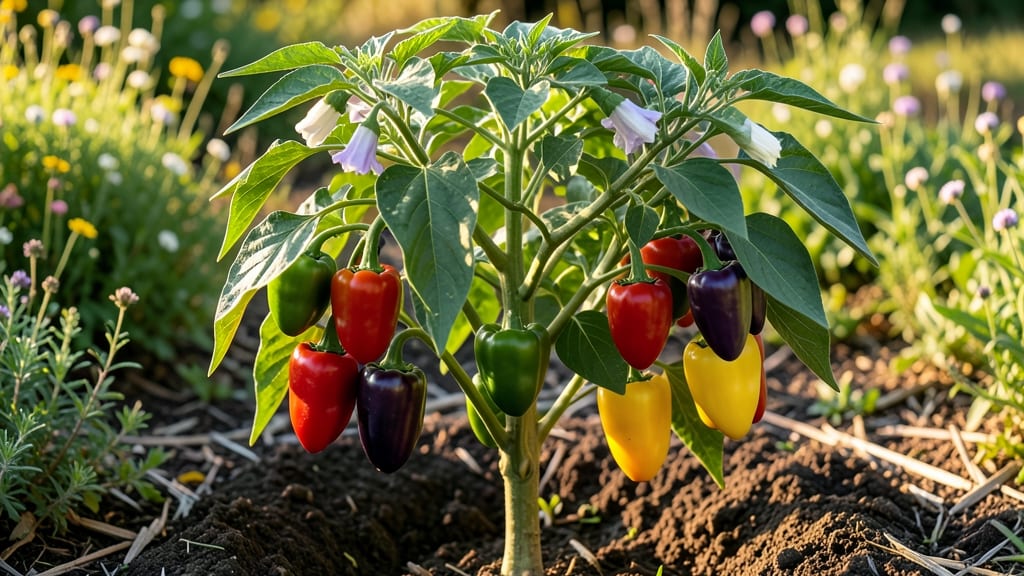
If you're planning your garden layout this spring, knowing how tall bell pepper plants grow could mean the difference between a thriving harvest and stunted plants fighting for space.
These versatile 🌶️ varieties range from compact 1-foot dwarf types to towering 4-foot giants, so choosing the right variety for your space is crucial.
For most home gardeners in USDA Zone 6a, standard bell peppers typically reach 3-4 feet when planted after the last frost in April-May. But here's the catch: some varieties like 'Jalapeño' stay bushy and compact, while others like 'California Wonder' grow taller and need more room to spread.
Understanding these differences helps you avoid overcrowding and maximize your garden's potential.
Whether you're working with limited space or a sprawling backyard, I'll show you how to select the perfect bell pepper varieties for your needs. We'll cover space-saving techniques like trellising and pruning, plus common mistakes that can stunt growth. Let's get your peppers growing to their full potential!
From dwarf varieties that thrive in containers to tall types that need staking, I'll break down everything you need to know.
By the end, you'll have a clear plan for planting your bell peppers with confidence, ensuring they have the space to grow strong and produce plenty of delicious peppers from July through October.

Bell pepper plant height by variety: dwarf to giant sizes explained
Bell pepper plants can range from compact dwarfs to towering giants, with mature heights varying by variety and growth habit. Understanding these differences helps you plan spacing, choose containers, or decide whether to trellis your plants.
Most bell peppers fall between 2 to 4 feet tall, but some specialty varieties can reach 5 feet or more if given proper support.
Growth habits also play a role—bush varieties (determinate) grow to a fixed height and stop producing once they flower, while indeterminate types keep growing and fruiting all season long.
If you're working with limited space, dwarf varieties are ideal, but even standard types can be managed with smart pruning and trellising techniques.
Here’s how to match your garden space to the right bell pepper variety, ensuring healthy growth and maximum yield without overcrowding.
| Variety | Height Range | Growth Habit | Spacing Needs | Best For |
|---|---|---|---|---|
| 'Jalapeño M' | 18-24 inches | Bush (determinate) | 12-18 inches apart | Containers, small gardens |
| 'Lunchbox' | 12-18 inches | Bush (determinate) | 10-12 inches apart | Balcony gardens, pots |
| 'California Wonder' | 36-48 inches | Indeterminate | 18-24 inches apart | Large gardens, trellises |
| 'Fish Pepper' | 24-36 inches | Bush (determinate) | 12-18 inches apart | Small plots, raised beds |
| 'NuMex Heritage' | 40-50 inches | Indeterminate | 24-30 inches apart | Trellises, large containers |
*Height ranges are approximate and can vary based on growing conditions.
If you're growing indeterminate varieties, like 'California Wonder' or 'NuMex Heritage,' consider installing a trellis or cage early in the season. These plants can grow taller than expected if given proper support, especially in warm climates with long growing seasons.
Even bush varieties benefit from light staking to prevent stems from snapping under the weight of fruit.
For container gardening, prioritize dwarf or semi-dwarf varieties like 'Lunchbox' or 'Jalapeño M.' A 5-gallon pot is ideal for these compact plants, but ensure it has drainage holes to prevent root rot. Larger containers (10+ gallons) can accommodate standard varieties if you prune regularly to control height.
One common misconception is that all bell peppers need the same amount of space. In reality, overcrowding leads to poor air circulation, increasing the risk of fungal diseases like powdery mildew. Always follow the spacing guidelines for your specific variety to ensure healthy, vigorous growth.
Pro tip: If you're growing multiple varieties, place taller indeterminate types on the north side of your garden to avoid shading shorter bush varieties. This simple arrangement maximizes sunlight exposure for all plants and optimizes your garden layout.
🌱
Bell pepper plant height by variety: dwarf to giant sizes explained
Bell pepper plants come in a stunning range of heights, from compact 1-foot dwarf varieties to towering 4-foot giants.
The height you can expect depends entirely on the variety you choose, so let's break down the most common types and their space requirements to help you plan your garden layout.
Most standard bell pepper varieties like 'California Wonder' or 'Yolo Wonder' reach 3-4 feet tall at maturity, making them ideal for in-ground gardens with plenty of space. These varieties grow upright and need about 18-24 inches of space between plants to prevent competition for nutrients and sunlight.
| Variety | Height Range | Spacing Needs | Growth Type |
|---|---|---|---|
| Dwarf Varieties (e.g., 'Snackable', 'Pepperoncini') | 1-2 feet | 12-18 inches | Bush |
| Semi-Dwarf (e.g., 'Jalapeño', 'Banana Pepper') | 2-3 feet | 18-24 inches | Bush/Indeterminate |
| Standard (e.g., 'California Wonder', 'King of the North') | 3-4 feet | 24-36 inches | Indeterminate |
| Giant (e.g., 'Monster', 'Beefsteak') | 4-5 feet | 36-48 inches | Indeterminate |
Dwarf varieties like 'Snackable' or 'Pepperoncini' are perfect for container gardening or small spaces, typically reaching only 1-2 feet tall. These bush-type plants stop growing once they reach maturity, making them ideal for beginners or those with limited garden space.
They also produce smaller peppers, perfect for snacking or pickling.
Indeterminate varieties, on the other hand, like 'California Wonder' or 'King of the North', keep growing taller throughout the season and may even produce peppers until the first frost. These varieties need staking or cages to support their weight and can reach heights of 4-5 feet if left unchecked.
Their sprawling habit requires more space, so plan accordingly if you're growing them in your garden.
For urban gardeners or those with limited space, consider semi-dwarf varieties like 'Jalapeño' or 'Banana Pepper', which strike a balance between height and space requirements. These typically reach 2-3 feet tall and can be grown in containers or small garden plots with minimal pruning.
They also produce a steady supply of peppers throughout the growing season, making them a great choice for continuous harvests.
When selecting varieties, also consider your local climate and growing season. In USDA Zone 6a, where the growing season runs from April to October, taller varieties may benefit from early staking to support their weight as they grow.
Always check the seed packet or plant tag for specific height and spacing recommendations, as these can vary even among similar varieties.