
Plants
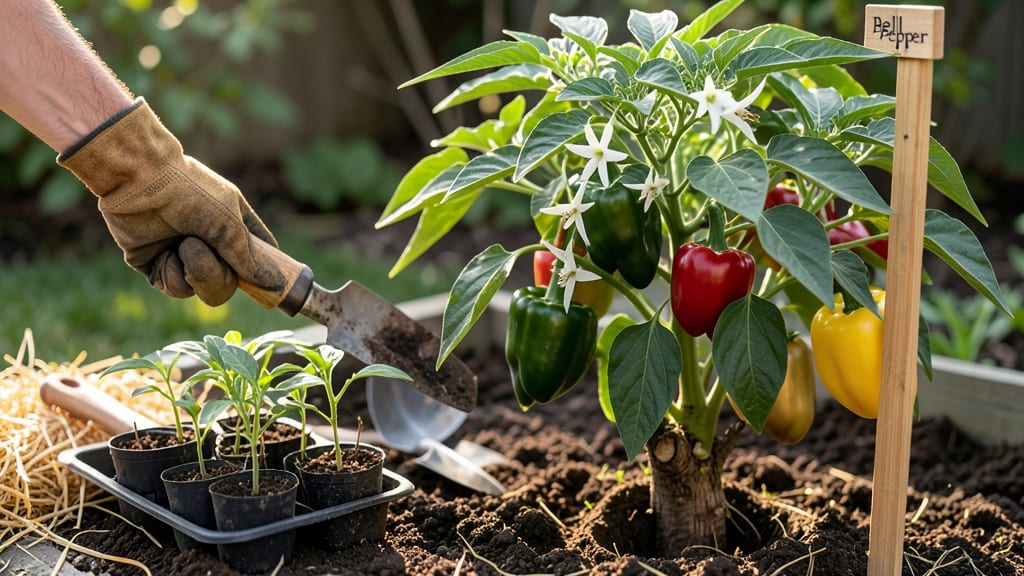
Timing your bell pepper 🌶️ planting in Kansas can mean the difference between a bumper crop and a total flop. The right window—after last frost but before scorching summer heat—is everything for growing these heat-loving plants to maturity.
With Kansas’ USDA Zones 5b-7a, you’ve got just 165 frost-free days to work with, so getting those seedlings in the ground between April 15 and May 15 is critical.
Plant too early, and a late frost will kill your tender starts; too late, and your peppers won’t have enough time to ripen before fall’s chill sets in.
But here’s the good news: with the right strategies—like starting seeds indoors or choosing fast-maturing varieties—you can stretch your growing season and enjoy homegrown peppers from July through October. I’ll walk you through the exact steps to maximize your harvest, no matter where in Kansas you’re gardening.
Whether you’re a first-time gardener or a seasoned pro, these zone-specific tips will help you avoid common mistakes and get the most out of your bell pepper 🌶️ plants. Let’s get those seeds in the soil at the perfect moment!
Kansas planting zones & exact bell pepper start dates by month
Kansas spans USDA Zones 5b-7a, meaning your exact planting dates depend on whether you're in western Zone 7a (like Hays) or eastern Zone 5b (like Topeka). Bell peppers are heat-loving plants that won't tolerate frost, so timing is critical.
Most Kansas gardeners aim for mid-April to mid-May starts, but let's break it down by zone and method.
For indoor seed starts, begin 8-10 weeks before your last frost date. In Kansas, that means mid-February to early March for most regions. Seedlings need warm soil (70-80°F) to thrive, so don't rush—cool windowsills won't cut it. Use a seedling heat mat if your home stays chilly.
Outdoor transplanting happens after your last frost date, which typically falls between April 15 (Zone 5b) and May 1 (Zone 7a). But don't rely solely on dates—soil temperature is your true guide.
Wait until it hits at least 60°F at a 4-inch depth. A soil thermometer is worth its weight in gold here.
Here's your zone-specific planting timeline for Kansas bell peppers:
| Zone & Location | Indoor Start Dates | Outdoor Transplant Window | Last Frost Date | Soil Temp Requirement |
|---|---|---|---|---|
| Zone 5b (Topeka, Emporia) | Feb 20 - Mar 5 | May 1 - May 15 | April 15 | ≥60°F (15.5°C) |
| Zone 6a (Salina, Manhattan) | Mar 1 - Mar 15 | April 20 - May 1 | April 1 | ≥60°F (15.5°C) |
| Zone 6b (Wichita, Junction City) | Mar 1 - Mar 15 | April 15 - April 30 | March 31 | ≥60°F (15.5°C) |
| Zone 7a (Hays, Great Bend) | Mar 15 - Mar 30 | April 1 - April 15 | March 15 | ≥60°F (15.5°C) |
Pro tip: Succession planting works wonders in Kansas. After your first transplant, add another batch every 2 weeks until June 15. This stretches your harvest from July through October, beating Kansas' early fall frosts.
Just be sure to use fast-maturing varieties (60-75 days to harvest) for these later plantings.
For fall planting, Kansas gardeners can try a late summer transplant of short-season varieties around July 15-30. These peppers need 90+ days to mature, so count backward from your first frost date (typically October 15).
Use black plastic mulch to warm the soil and extend the season by 2-3 weeks.
Remember: Peppers hate cold feet. Even if your air temperature is warm, soil temperature might still be too cool. Test it with a soil thermometer—if it's below 60°F, wait another week. Your plants will thank you with bigger, healthier peppers and a longer harvest window.
🌱
Kansas planting zones & exact bell pepper start dates by month
Kansas spans USDA Zones 5b-7a, meaning your exact planting dates depend on whether you're in western Kansas (Zone 7a) or eastern Kansas (Zone 5b). In Zone 7a, you can start indoor seedlings 8-10 weeks before last frost—typically by March 1st.
Zone 5b gardeners should wait until March 15th to start seeds indoors, giving plants enough time to mature before the April 15th average last frost.
For direct sowing outdoors, wait until soil temperatures reach 60°F+—usually mid-to-late May in most of Kansas. This timing ensures your bell peppers avoid late spring frosts and have enough warm days to produce fruit before fall.
In Zone 7a (western KS), you might even squeeze in a fall planting of fast-maturing varieties by July 1st.
🌱 Pro Tip: Use a soil thermometer to confirm readiness—bell peppers won’t germinate below 60°F. If your soil is still cold, opt for container growing where you can control heat with black plastic mulch.
| Zone & Location | Indoor Start Date | Outdoor Transplant Date | Last Frost Risk | Fall Planting Window |
|---|---|---|---|---|
| Zone 5b (Eastern KS: Topeka, Kansas City) | March 15 - April 1 | May 1 - May 15 | High (avg. April 15) | July 15 - August 1 |
| Zone 6a (Central KS: Wichita, Salina) | March 1 - March 15 | April 20 - May 1 | Moderate (avg. April 5) | July 1 - July 15 |
| Zone 7a (Western KS: Garden City, Hays) | February 28 - March 10 | April 1 - April 15 | Low (avg. March 25) | July 1 - August 10 |
If you’re in Zone 5b, prioritize early-maturing varieties (60-70 days to harvest) to avoid fall frosts. For Zone 7a, you can experiment with longer-season varieties like 'Jupiter' (90 days) since your growing season stretches until mid-October.
Always check your local Kansas State University Extension for microclimate adjustments—some years, late May frosts can still sneak in!
For container growing, start seeds 4-6 weeks earlier indoors and move pots outside only after nighttime temps stay above 50°F. Containers warm up faster, giving you a 2-3 week head start on garden beds.
Just ensure pots have drainage holes to prevent root rot—a common issue in Kansas’ clay-heavy soils.
Remember: Bell peppers are heat-lovers, so aim for 70-85°F days and 60°F nights for optimal growth. If your spring starts cool, use row covers or black plastic mulch to warm the soil faster. This trick can shave 10-14 days off your growing season!