
Plants
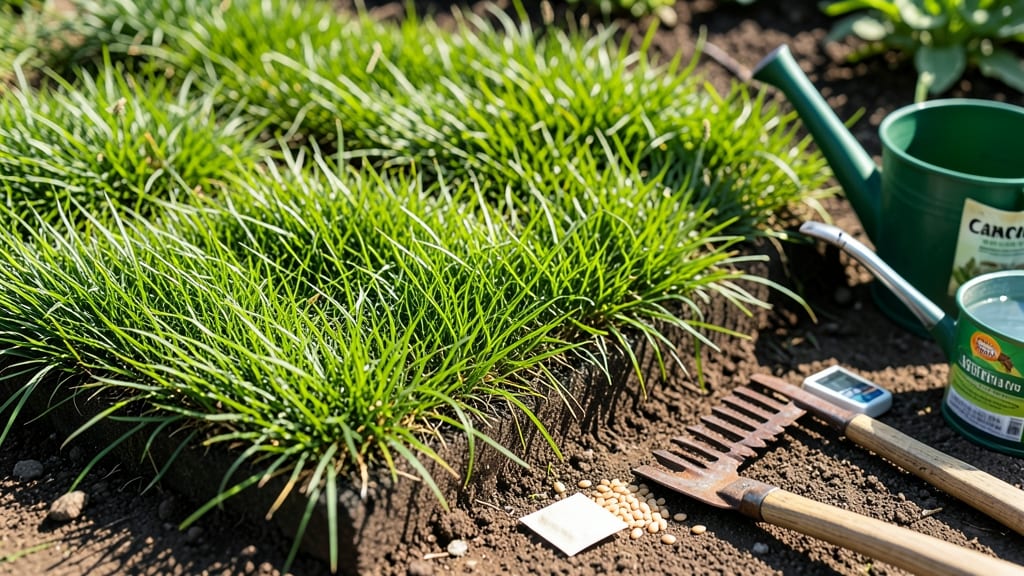
Planting Bermuda Grass seed in Georgia at the wrong time can turn your dream lawn into a weed battleground—frost kills seedlings, and late starts let weeds steal the show. The perfect window is narrow but critical for fast, healthy growth that outlasts summer heat.
Georgia’s 7b-8b climate means timing matters more than ever. Waiting until after the last frost (mid-March) but before soil hits 65°F gives your grass the jumpstart it needs. Too early? Frost zaps your progress. Too late? Weeds win the race.
I’ll break down the exact spring planting window (late April to early June) and why it’s your best bet for a lush lawn that thrives all year. Skip the guesswork—learn the science-backed steps to plant when conditions are ideal.
From soil prep to watering tricks, you’ll discover how to turn Georgia’s heat into an advantage. Let’s get your Bermuda Grass off to the fastest, strongest start possible.
Best time to plant Bermuda grass seed in Georgia: spring after last frost date
Georgia’s USDA zones 7b-8b create a short but critical window for planting Bermuda grass seed. Unlike cool-season grasses, Bermuda thrives in warm soil temperatures (65°F+), making late spring the ideal time.
Planting too early risks frost damage, while waiting too long lets weeds dominate before your lawn establishes. Let’s break down the perfect planting timeline for Georgia’s diverse microclimates.
Your best planting window spans from late April to early June, aligning with Georgia’s average last frost date (March 15). However, don’t rush—wait until the soil temperature consistently stays above 65°F for at least 5-7 days.
Use a soil thermometer (available at garden centers) to confirm readiness, especially in North Georgia’s cooler valleys.
City-specific timing varies slightly:
- Atlanta (Zone 7b): Aim for mid-April to early May—soil warms faster in urban areas.
- Savannah (Zone 8a): Plant as early as late March if no frost is forecasted.
- Augusta (Zone 8b): Early April to mid-May works best.
| Region | Ideal Planting Window | Soil Temp Threshold | Key Consideration |
|---|---|---|---|
| North Georgia (Atlanta, Dahlonega) | Late April – Early May | 65°F+ (consistent) | Clay soil warms slower; test depth |
| Central Georgia (Macon, Columbus) | Mid-April – Late May | 65°F+ (3-5 days) | Moderate humidity; monitor for fungal risks |
| Coastal Georgia (Savannah, Brunswick) | Late March – Early April | 60°F+ (sandy soil warms faster) | Watch for early summer drought |
| All Regions (Fall Option) | August – Early September | 70°F+ soil temp | Avoid planting after September 15—risk of dormancy before winter |
While spring planting is ideal, a fall window (August–early September) works for Georgia’s warmer southern zones. However, avoid planting after September 15, as cooler nights can trigger dormancy before your lawn establishes. For fall success, prioritize soil warmth over air temperature—Bermuda needs 70°F+ soil to germinate.
Pro tip: Use a clear plastic mulch (like Reemay) to warm soil 5–10°F faster in early spring. Lay it over prepared beds 1–2 weeks before planting to jumpstart germination. Just remove it after seeding to avoid smothering sprouts.
Monitor local weather forecasts for 10-day highs—consistent 80°F+ days signal it’s time to plant. In North Georgia’s higher elevations, wait until mid-May to ensure no late frosts. Patience here prevents seed rot and wasted effort.
For new lawns, aim to complete planting by June 1 to give Bermuda 6–8 weeks of growth before Georgia’s summer heat peaks. This head start helps it outcompete weeds naturally. Use a starter fertilizer (high phosphorus) at planting to boost root development during this critical phase.
If you miss spring, don’t despair—fall planting can still work if you act fast. The key is soil temperature, not calendar dates. Use a soil thermometer to guide your timing, regardless of season.
Just remember: Bermuda grass grows best when days are warm but nights stay above 60°F.
🌱 For Georgia gardeners, the golden rule is simple: Plant when soil is warm, not just air. This ensures faster germination, stronger roots, and a weed-free lawn by summer’s end.
Best time to plant Bermuda grass seed in Georgia: spring after last frost date
Georgia’s 7b-8b climate creates a tight window for planting Bermuda grass seed—too early risks frost damage, while late planting lets weeds dominate. The ideal timing is after your region’s last frost date but before soil temperatures hit 65°F+, typically late April to early June.
This window ensures your grass germinates quickly in warm soil while avoiding summer heat stress. In North Georgia (Atlanta), aim for mid-April when frost risk drops. Coastal areas like Savannah can start slightly earlier (late March) due to milder winters.
Check your local last frost date using the NOAA frost calculator—this tool shows exact averages for your ZIP code. For example, Augusta averages its last frost around March 20, but planting before April risks cold snaps.
🌱 Georgia Bermuda Grass Planting Timeline
| Region | Last Frost Date | Ideal Planting Window | Soil Temp Threshold |
|---|---|---|---|
| North Georgia (Atlanta) | March 15 | Late April - Early May | 65°F+ |
| Central Georgia (Macon) | March 10 | Early April - Mid-May | 65°F+ |
| Coastal Georgia (Savannah) | February 28 | Late March - Early April | 60°F+ |
Use a soil thermometer to confirm warmth—Bermuda grass needs consistent 65°F+ soil for germination. Planting too early in cool soil slows growth and invites weeds. For fastest results, start when daytime highs hit 75°F+.
Fall planting (August-September) is a secondary option but requires careful timing to avoid early frosts. Spring planting remains the gold standard for Georgia lawns, delivering 90% faster establishment than summer starts.
Pro tip: Mark your calendar for May 1—this is the absolute cutoff for spring planting in most of Georgia. After this date, switch to sod or wait for fall.