
Plants
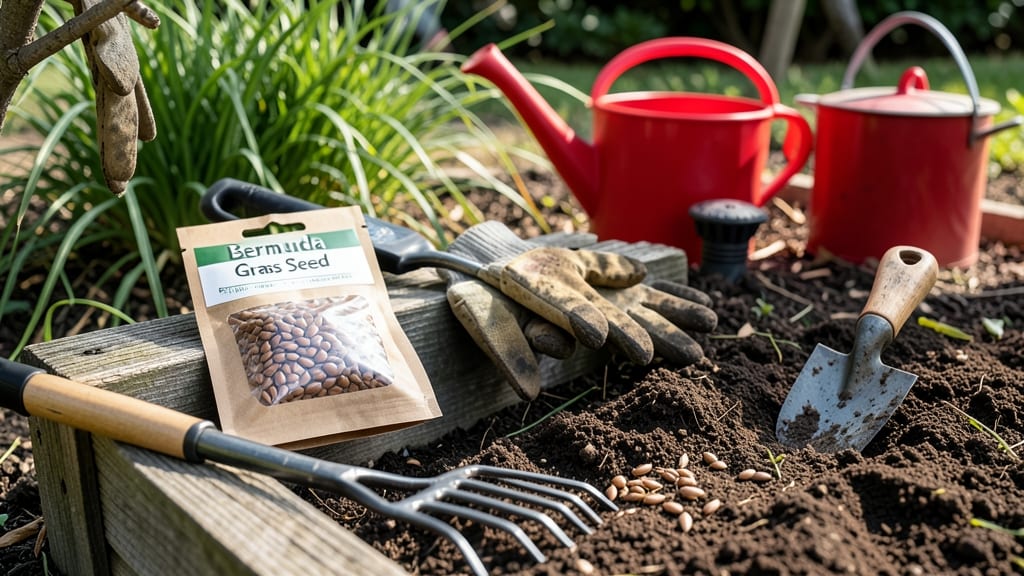
Timing your Bermuda seed planting in North Texas can make or break your lawn’s survival—especially when summer’s brutal heat arrives faster than you think. Plant too early, and frost will zap your investment before roots even take hold.
Too late, and your grass may struggle to establish before the dog days of July. The exact window between late April and early June isn’t just a suggestion; it’s the sweet spot for strong, drought-resistant growth.
Here’s the game-changer: Bermuda grass thrives when soil temperatures hit 65°F+ and stay warm for weeks—a condition North Texas typically hits by mid-April. But don’t rush—waiting until after the last frost (usually around March 15) ensures your seeds won’t get shocked by overnight chills.
This isn’t just about dates; it’s about giving your lawn the 60–90 days it needs to spread roots deep before summer’s dry spells test its resilience.
Why does this matter? Because a well-timed planting means fewer weeds, faster coverage, and a lawn that stays green when your neighbor’s grass turns brown. I’ll walk you through the critical steps—from soil prep to watering schedules—to turn your North Texas yard into the envy of the block.
Let’s get started.
Whether you’re a first-time planter or a veteran gardener, these insights will help you avoid the costly mistakes that trip up even the best-laid plans. Ready to transform your patchy lawn into a thick, heat-beating carpet of 🌱 Bermuda grass? The clock’s ticking—literally.
North Texas Bermuda seed planting timeline: exact weeks before last frost for optimal germination
North Texas gardens thrive with Bermuda grass once you nail the planting window—because this grass needs warmth to germinate. The last frost date for most of North Texas (including Dallas, Fort Worth, and Waco) falls around March 15, but your planting window opens 6–8 weeks after that date.
That means aiming for late April to early June for the best results.
Why this timing? Bermuda grass seeds won’t sprout below 65°F soil temps, and early planting risks frost damage. Planting too late (after early June) delays root establishment, leaving your lawn vulnerable to summer’s 100°F+ heat and drought.
The ideal soil temperature for germination is 75°F or higher, which North Texas typically hits by mid-April.
🌱
| Stage | Action | North Texas Timeline |
|---|---|---|
| Soil Prep | Test pH (6.0–7.5), loosen soil 4–6 inches | March 1–15 (before last frost) |
| Planting Window | Sow seeds ¼ inch deep, ½ inch apart | Late April–Early June (after soil hits 75°F) |
| Germination | Keep soil moist (daily watering) | 7–14 days (varies by variety) |
| First Mowing | Mow when grass reaches 3–4 inches | 6–8 weeks after planting |
| Full Coverage | Grass fills in gaps, drought-resistant | 3–4 months after planting |
🌡️ Pro Tip: Use a soil thermometer to confirm 75°F+ before planting.
North Texas isn’t one uniform climate—urban heat islands in Dallas can push soil temps 5–10°F warmer than rural areas near Waco. If you’re in a hotter microclimate, you can plant 2–3 weeks earlier (early April) without frost risk.
Conversely, higher elevations (like Denton or Gainesville) may need to wait until mid-May for safe germination.
For overseeding dormant Bermuda lawns (common in North Texas), the window shifts to late August–September. This takes advantage of fall rains and cooler temps to establish new seed before winter dormancy. However, seed germination slows below 60°F, so avoid planting after October 1.
One common mistake is relying solely on calendar dates. Instead, track soil temperature and weather forecasts for 5+ consecutive days above 75°F. Use a soil thermometer ($10–$15 at garden centers) to confirm readiness—this is more accurate than guessing by date alone.
Planting too early in April risks frost damage, while waiting until July leaves your lawn struggling to establish before summer’s peak heat.
If you’re replanting bare spots in an existing Bermuda lawn, the same late spring window applies. However, topdress with compost first to improve soil contact for new seeds. For new lawns, consider hydromulching in North Texas’s dry springs—it retains 30% more moisture than traditional seeding methods.
Don’t forget: Bermuda grass is dormant in winter, so fall planting is only viable for overseeding. For full lawns, spring is your only shot—so mark your calendar for April 20–May 15 as your prime window. Miss it, and you’ll be playing catch-up all summer.
5 Critical factors that determine your Bermuda seed planting success (beyond just dates)
Timing is just the first step—your Bermuda seed in North Texas also needs the right conditions to thrive. Even if you plant at the perfect time, soil temperature, moisture levels, and seed depth can make or break your lawn. Let’s break down the 5 non-negotiable factors that ensure your seed germinates strong and establishes a drought-resistant lawn. First, soil temperature is your secret weapon. Bermuda grass won’t germinate until the soil reaches at least 65°F—but for optimal growth, aim for 75°F+. Use a soil thermometer (just $10) to check depths of 1–2 inches. If it’s cooler, wait—your seed will just sit there, waiting for warmth. Pro tip: Dark-colored mulch or black plastic sheeting can warm the soil faster in North Texas’ spring.Next, seed depth is a game-changer. Plant your Bermuda seed ¼ inch deep—no deeper, or it’ll suffocate. Use a rake with fine teeth to create a smooth, level bed, then lightly cover the seeds.
Press them in gently with a lawn roller (or even a board) to ensure soil contact. Too shallow? Birds and wind will steal your seed. Too deep? It’ll never break through.
Sunlight exposure is another dealbreaker. Bermuda grass is a sun-hog—it needs 6+ hours of direct sunlight daily. If your lawn has shady spots, consider overshadowing (planting taller grasses nearby) or choosing a different variety like Tifway 419, which tolerates partial shade better.
Test your yard’s sunlight by marking a 1-foot grid and tracking shadows from 10 AM to 4 PM for a week.
Soil pH is often overlooked, but North Texas’ clay-heavy soil can be a nightmare if it’s too alkaline. Test your soil’s pH—ideal range is 6.0–7.5. If it’s higher, mix in sulfur or peat moss to lower it. Avoid lime unless your pH is below 6.0.
Also, amend your soil with compost or organic matter to improve drainage. Bermuda grass hates soggy roots, so break up compacted clay with a garden fork before planting.
Finally, post-planting care determines whether your lawn becomes a thick carpet or a weedy mess. Water daily for the first 2–3 weeks, keeping the top 1–2 inches of soil moist (not soggy). Use a sprinkler with a rain gauge to measure 1–1.5 inches per week.
After germination, reduce to 2–3 times per week and mow when the grass reaches 3–4 inches—never remove more than ⅓ of the blade height at once. This encourages dense root growth and outcompetes weeds.
🚨 Troubleshooting Tip: If you see brown patches after planting, it’s likely drought stress or fungus from overwatering. Adjust your schedule immediately—Bermuda grass recovering from stress is tough but possible with the right care.