
Plants
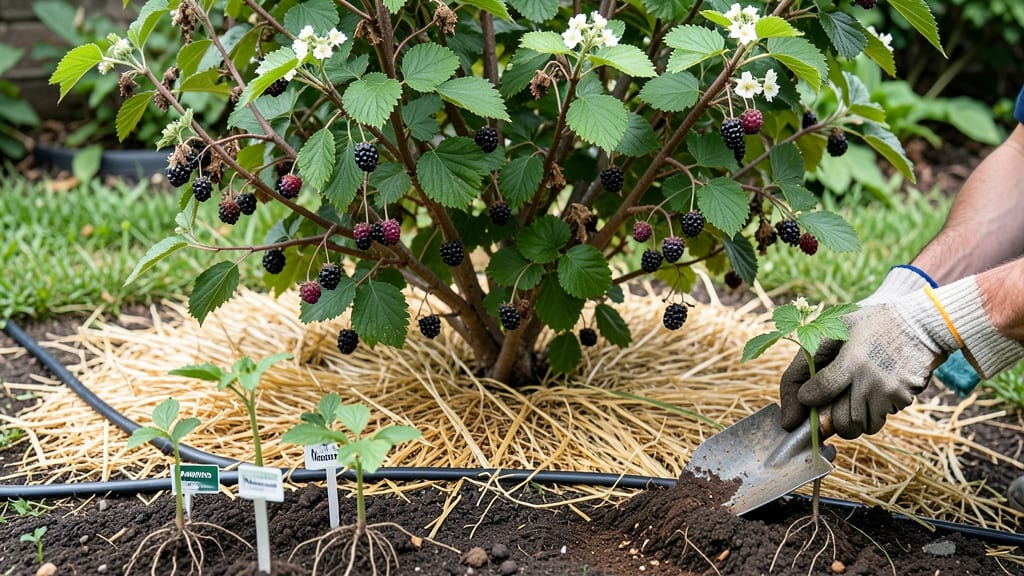
Timing your blackberry planting in Oklahoma isn't just about the calendar—it's about matching chill hours with your region's frost patterns to ensure strong root growth and fruit production. Get it wrong, and you might end up with weak canes or missed harvests, despite all your hard work.
With Oklahoma's USDA zones 6a-7b and unpredictable spring weather, knowing whether to plant in early March or late October makes all the difference. The key is understanding how your local microclimate affects soil temperature and frost risk, especially for 🫐 varieties that need precise chill hours to thrive.
I'll walk you through the exact windows for both spring and fall planting, including soil prep tips tailored to Oklahoma's clay-heavy soils. Whether you're working with bare-root canes or potted plants, these insights will help you avoid common mistakes that derail even the most eager gardeners.
Ready to set your blackberries up for a bountiful harvest? Let's dive into the science behind the perfect planting time so you can enjoy sweet berries from May through August without the guesswork.
Oklahoma’s best planting windows for blackberries by chill-hour requirements
Oklahoma’s USDA zones 6a-7b create unique challenges for blackberry growers. The key to success lies in matching your chill-hour requirements with Oklahoma’s late-winter/early-spring window. Southern highbush varieties need 300-500 chill hours, while rabbiteye types thrive with 500-800 chill hours.
Planting at the wrong time risks frost damage or heat stress before roots establish.
For bare-root canes, aim for March 1-15 when soil temps reach 50°F+. This gives roots 6-8 weeks to establish before Oklahoma’s brutal summer heat arrives. Potted plants can go in slightly later (March 15-April 1) since their roots are already established.
Fall planting (October-November) works too, but only if you plant 6-8 weeks before first frost. This gives canes time to develop roots before winter dormancy. In Oklahoma’s western panhandle (zone 7b), fall planting is riskier due to earlier frosts.
| Variety Type | Chill Hours Needed | Best Planting Window | Soil Temp Requirement | Oklahoma Zone Fit |
|---|---|---|---|---|
| Southern Highbush | 300-500 | March 1-15 (spring) or Oct 15-Nov 1 (fall) | 50°F+ | 6a-7a (eastern OK) |
| RabbitEye | 500-800 | March 15-April 1 (spring only) | 55°F+ | 7a-7b (western OK) |
| Prime-Ark® Series | 400-600 | March 1-30 (spring) or Oct 1-Nov 15 (fall) | 45°F+ | 6a-7b (statewide) |
⚠️ Note: Fall planting requires 6+ weeks before first frost for root establishment.
Oklahoma’s western panhandle (zone 7b) has a shorter frost-free season, so prioritize early spring planting for rabbiteye varieties. In eastern Oklahoma (zone 6a), fall planting works better due to later frosts. Always check your last frost date—Oklahoma’s ranges from March 15 (west) to April 1 (east).
For container growing, extend your window by 2-3 weeks later since potted plants warm up faster. Use black plastic mulch to raise soil temps 5-10°F earlier in spring. This trick helps in Oklahoma’s cooler northern regions where soil stays cold longer.
Pro tip: Test your soil’s chill-hour accumulation using a home weather station. Oklahoma’s microclimates can vary by 100+ chill hours just 20 miles apart. Planting too early in warmer microclimates can trigger premature bud break and frost damage.
Water deeply immediately after planting to settle soil around roots. Oklahoma’s clay-heavy soils compact easily, so amend with 2-3 inches of compost before planting. This improves drainage and helps roots establish faster in Oklahoma’s hot, dry summers.
Avoid planting when soil temps exceed 70°F—this stresses roots and reduces establishment success. In Oklahoma’s summer heat, soil temps can hit 90°F+ by early May, making late spring planting risky. Monitor soil temps with a soil thermometer for best results.
Blackberries planted at the right time in Oklahoma will show vigorous new growth by late spring. Look for 4-6 inch canes by May 1—this confirms successful root establishment. If growth is slow, adjust your watering schedule or check for root rot from poor drainage.
How to adjust planting dates for Oklahoma’s microclimates and soil conditions
Oklahoma’s diverse regions—from the Panhandle’s arid climate to the eastern humid zones—demand tailored planting strategies for blackberries. The Panhandle (Zone 7b) can plant 2-3 weeks earlier than eastern Oklahoma (Zone 6a) due to warmer soils, while mountainous areas may need delayed planting to avoid late frosts.
Always check your last frost date, which ranges from mid-March in the south to early April in the north.
Your soil type matters just as much as the calendar. Oklahoma’s clay-heavy soils drain poorly when wet, causing root rot—a silent killer for young blackberry canes. Amend your soil with compost or sand to improve drainage, and aim for a pH between 5.5 and 6.5.
A simple soil test kit (available at local garden centers) will save you from guesswork and ensure your plants thrive from day one.
🌱
🌡️ Oklahoma Microclimate Planting Adjustments
Panhandle (Zone 7b)
- ✅ Plant 2-3 weeks earlier (late Feb-early March)
- ✅ Warmer soils speed root growth
- ✅ Less frost risk after March 15
Eastern OK (Zone 6a)
- ⚠️ Wait until mid-April to avoid late frosts
- ⚠️ Humid climate increases fungal risks
- ⚠️ Mulch heavily to retain moisture
Mulching isn’t just for looks—it’s a game-changer for Oklahoma’s extreme temperature swings. Apply 3-4 inches of organic mulch (straw or wood chips) around your blackberry plants to retain moisture, regulate soil temperature, and suppress weeds.
In the Panhandle’s dry heat, mulch reduces water evaporation by up to 50%, while in eastern Oklahoma’s humidity, it prevents soil-borne diseases like anthracnose.
Protecting young canes from late spring frosts (which can hit as late as April 15) is critical. Use frost cloth or row covers on nights when temperatures dip below 28°F.
For an extra layer of defense, plant windbreaks (like tall grasses or shrubs) to shield your blackberries from chilling winds that accelerate stress. I’ve seen firsthand how a simple windbreak can mean the difference between surviving canes and frost-damaged plants.
If you’re planting in late fall (October-November), focus on bare-root canes and aim to finish by mid-November before the ground freezes. In southern Oklahoma (Zone 7b), you can push planting to early December, but northern zones should stop by November 1.
Always water deeply before the first frost to hydrate roots for winter dormancy.
For potted blackberries, Oklahoma’s heat can be brutal in summer. Acclimate plants to outdoor conditions over 10-14 days before transplanting, and choose container-friendly varieties like ‘Arapaho’ or ‘Navaho’, which tolerate Oklahoma’s heat better than traditional types.
Move pots to shadier spots during peak afternoon sun (12 PM–4 PM) to prevent heat stress.
💧
Remember: Soil temperature is your best guide. Use a soil thermometer to confirm it’s above 50°F before planting—cold soils slow root growth and invite rot. With these adjustments, your blackberries will establish strong roots and reward you with juicy, sweet fruit from May through August.