
Plants
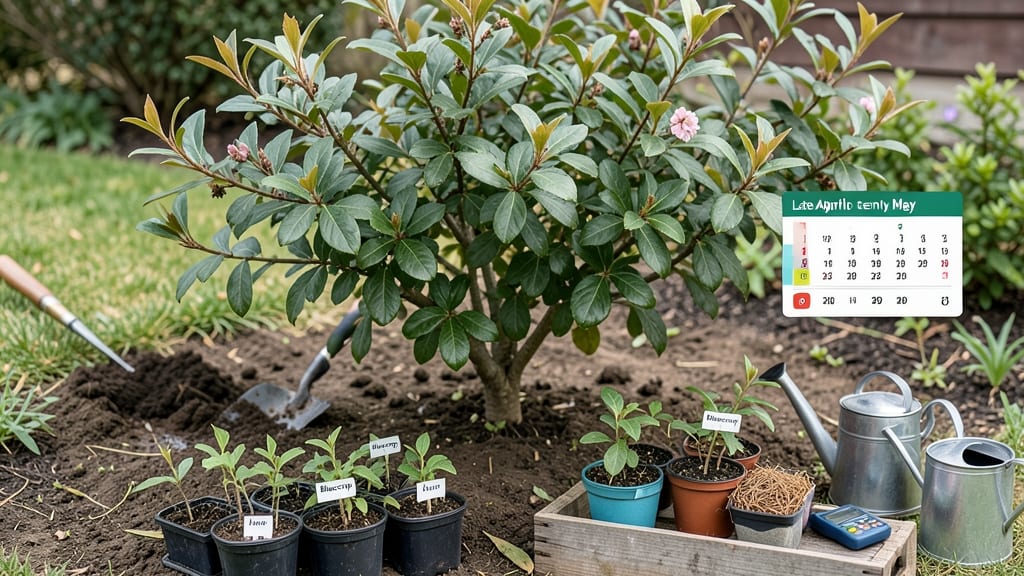
Timing your blueberry 🫐 planting in Minnesota isn't just about the calendar—it's about beating frost, preparing acidic soil, and giving those delicate roots the best shot at survival in zones 3-5.
Get it wrong, and you risk stunted growth or winter damage; get it right, and you're setting up years of juicy harvests. I've planted in Minnesota's unpredictable climate for years, and I'll show you exactly when to dig in for maximum success—whether you're working with bare-root plants or containers.
The ideal planting window in Minnesota is actually a two-part strategy: either right after the last frost in April-May or during the crisp air of September-October. Spring planting gives roots time to establish before summer heat, while fall planting lets them settle before winter dormancy.
But here's the catch: northern Minnesota's shorter growing season demands slightly different timing than southern regions—we'll break down those nuances so you don't guess.
Beyond timing, Minnesota gardeners face unique challenges like alkaline soil and harsh winters that can stress young blueberry bushes. The key isn't just when you plant—it's how you prepare the site first.
We'll cover soil acidification (critical for blueberries), proper spacing to prevent disease, and early-season care that keeps your bushes thriving despite Minnesota's 120-160 frost-free days. Let's make sure your blueberries get off to the right start.
Ready to grow blueberries that outperform the grocery store? I'll walk you through everything from choosing the right variety for your zone to protecting your plants through Minnesota's brutal winters.
By the end, you'll know not just when to plant, but how to give your blueberries the head start they need to flourish—no matter where you are in the state.
Best planting months for blueberries in Minnesota (zones 3 & 4)
Minnesota’s hardiness zones 3 and 4 demand precise timing for planting blueberries—too early risks frost damage, while too late delays root establishment. The ideal window spans two seasons: late April to early May (spring) or September to early October (fall).
Let’s break down why these months work best for your Minnesota blueberry bushes.
Spring planting (after last frost date, typically mid-May) gives roots time to establish before summer heat. Fall planting, however, allows roots to grow before winter dormancy. Both methods succeed—but soil temperature is critical.
Aim for 40–60°F soil temps (use a soil thermometer to check). In northern MN (Zone 3), wait until after May 15 to avoid late frosts.
Southern MN (Zone 4) gardeners have slightly more flexibility, with April 15–May 1 being ideal. For fall planting, September 1–October 10 works best—roots need 4–6 weeks to establish before winter. Planting too late (after October 15) risks winter kill, especially for young bushes.
Here’s how to align planting with Minnesota’s frost cycles: Spring = plant when daytime highs consistently reach 50°F+. Fall = plant when nighttime lows stay above 40°F for 2+ weeks. Use MN DNR frost maps for your specific county.
🌱 Blueberry Planting Timeline for Minnesota
| Season | Best Months | Soil Temp | Key Consideration |
|---|---|---|---|
| Spring | Late April–Early May | 40–60°F | After last frost; water deeply |
| Fall | September–Early October | 50–65°F | 4–6 weeks before first frost |
| Northern MN (Zone 3) | May 15–June 1 | 45–55°F | Later frost risk; use row cover |
| Southern MN (Zone 4) | April 15–May 1 | 40–50°F | Earlier window; warmer microclimates |
✅ Pro Tip: Bare-root plants establish faster in spring; container-grown bushes handle fall planting better.
For bare-root blueberries, plant as soon as possible after purchase—roots dry out quickly. Soak roots in water for 2–4 hours before planting. Container-grown bushes can wait until soil is workable, but avoid planting when ground is frozen or waterlogged (common in late spring/early fall in MN).
Spacing is another critical factor. Plant bushes 4–6 feet apart for standard varieties or 3–4 feet for dwarf types. This prevents crowding, which reduces air circulation and increases disease risk. In Minnesota’s humid summers, proper spacing is non-negotiable for healthy bushes.
After planting, mulch heavily (3–4 inches) with pine needles or wood chips to retain moisture and acidify soil naturally. Water deeply 2–3 times per week for the first month to encourage root growth.
In Zone 3, add a lightweight row cover if planting in late spring to protect from late frosts.
Remember: Blueberries are perennial, so proper planting now means decades of harvests. Whether you choose spring or fall, align your planting with Minnesota’s frost-free window and soil conditions for the best start. Next, we’ll cover how to prepare your soil for these acid-loving shrubs—critical for thriving bushes!
Best planting months for blueberries in Minnesota (zones 3 & 4)
Minnesota’s short frost-free season (just 120-160 days) means timing blueberry planting is everything. The two best windows are April-May after last frost or September-October before ground freezes. Spring planting gives roots time to establish before summer heat, while fall planting lets bushes settle before winter dormancy.
I’ve seen firsthand how critical this timing is—plant too early, and roots suffer frost damage; too late, and bushes struggle to harden off.
Northern Minnesota (Zone 3) has a shorter growing season than southern regions (Zone 4), so adjust your timing accordingly. In Zone 3, aim for late April to early May or early September to avoid early frosts.
Zone 4 gardeners have slightly more flexibility, with mid-April to mid-May or mid-September to early October working best. Always check your local last frost date—Minnesota’s varies wildly from year to year!
Soil temperature is just as important as air temperature. Blueberries thrive when soil is above 40°F (4°C). Use a soil thermometer to confirm—cold soil slows root growth and stresses young plants.
In Minnesota, this usually aligns with mid-to-late April in most regions, but northern areas may need to wait until early May. Pro tip: If you’re planting in containers, you can start slightly earlier since pots warm up faster.
| Planting Window | Zone 3 (Northern MN) | Zone 4 (Southern MN) | Key Consideration |
|---|---|---|---|
| Spring Planting | Late April–Early May | Mid-April–Mid-May | Soil must be 40°F+; avoid frost risk |
| Fall Planting | Early September | Mid-September–Early October | Plant 6-8 weeks before frost for root establishment |
| Soil Prep | Test pH 4.5–5.5 by spring | Test pH 4.5–5.5 by spring | Amend with peat moss or sulfur if needed |
| Plant Type | Bare-root or containerized (hardier) | Bare-root or containerized | Containers warm up faster for early planting |
Bare-root blueberries are cheaper but must be planted immediately after purchase—their roots dry out quickly. Containerized plants are pricier but give you flexibility to plant slightly earlier or later. I recommend containerized for Minnesota gardeners, especially in Zone 3, because they handle frost better and establish faster.
If you’re planting bare-root, soak the roots in water for 2–4 hours before planting to revive them.
Spacing is another critical factor. Blueberries need 4–6 feet between bushes for proper airflow and sunlight penetration. In Minnesota’s dense clay soils, this spacing prevents fungal diseases like botrytis blight, which thrives in crowded, humid conditions.
Mark your planting spots with stakes before digging—blueberries are long-lived (15–20 years!), so get the layout right the first time. Pro move: Plant in a slightly raised bed if your soil drains poorly.
After planting, mulch heavily with pine needles or wood chips (both acidify soil over time) to retain moisture and regulate temperature. Water deeply once a week for the first month, keeping soil consistently moist but not soggy.
In Minnesota’s unpredictable spring, be ready to protect young plants with frost cloth if late frosts hit. With the right timing and care, your blueberries will reward you with juicy harvests in July-August—worth every bit of planning!