
Plants
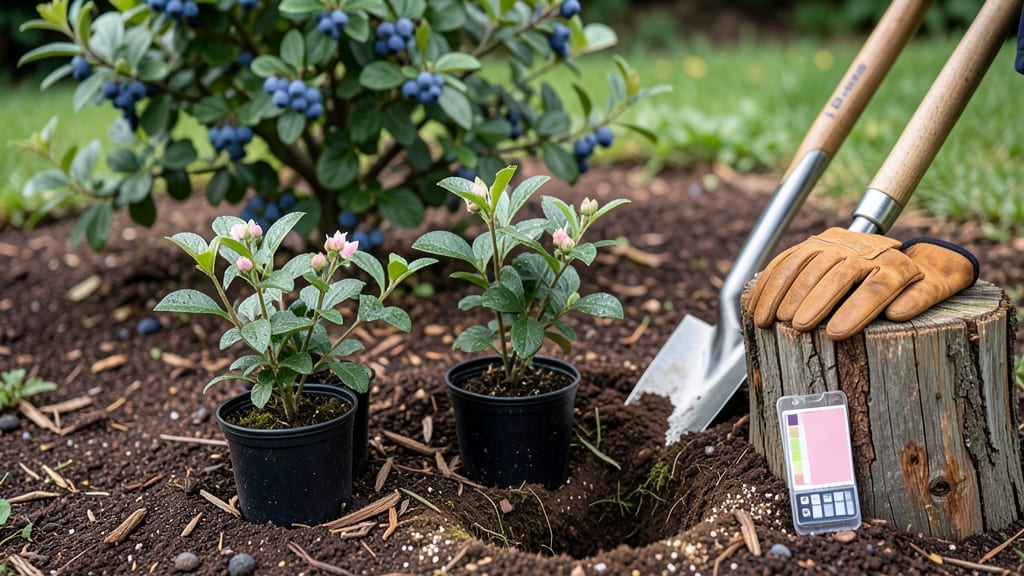
Timing your blueberry planting in NJ could mean the difference between a thriving bush loaded with juicy 🫐 and a sad, fruitless shrub. With New Jersey’s 6a-7b climate and unpredictable frosts, getting it right matters more than you’d think.
The ideal windows are late April through early June (after last frost) or fall between September and October. But here’s the catch: your specific variety’s chill-hour needs play a huge role. Some bushes need 600+ hours of winter chill, while others thrive with just 400.
Whether you’re planting in-ground or containers, we’ll break down the best months for your NJ zone, soil prep secrets for acidic soil, and how to pick varieties that actually fruit in your backyard. Let’s get those bushes off to the right start!
Ready to avoid common mistakes and set up your blueberries for a bountiful harvest? I’ll show you exactly how—from soil tests to frost-proofing tips that work in NJ’s climate.
Best planting months for blueberries in NJ by chill-hour Zone
New Jersey’s diverse chill-hour zones (ranging from 400 to 1,000 hours) dictate the best time to plant blueberries. Unlike most plants, blueberries require cold dormancy to produce fruit—planting at the wrong time can delay or even prevent fruiting.
In NJ, the ideal windows are late spring (after last frost) or early fall, but the exact timing depends on your USDA Zone (6a-7b) and chosen variety.
For Zone 6a (northwest NJ, e.g., Sussex County), where chill hours reach 1,000+, late April to early May is perfect for spring planting.
Southern NJ (Zone 7b, like Cape May) with 600-800 chill hours thrives with fall planting in September-October, giving roots time to establish before winter. Transplant shock is less likely in cooler fall soil, and young bushes benefit from winter’s chill hours.
Soil preparation is non-negotiable in NJ, where native soil is often alkaline (pH 6.5-7.5). Blueberries demand acidic soil (pH 4.5-5.5). Amend your soil with peat moss or sulfur 4-6 weeks before planting.
For container growing (ideal for urban NJ gardens), use a pre-mixed acidic potting mix with perlite for drainage.
Here’s how NJ’s chill-hour zones break down for planting:
Spring planting in NJ offers a longer growing season for fruit production, but fall planting reduces transplant stress and helps bushes establish roots before winter. If you choose spring, harden off container-grown plants for 7-10 days before transplanting to avoid shock.
For fall plantings, mulch heavily with pine needles or straw to insulate roots during winter.
Pro tip: NJ’s microclimates vary wildly—coastal areas (like Cape May) are Zone 7b, while inland (e.g., Morris County) can be Zone 6a.
Use the USDA Plant Hardiness Map to pinpoint your exact zone, then adjust planting by 1-2 weeks earlier for inland areas or 1-2 weeks later for coastal regions.
Container growing is a game-changer for NJ gardeners with limited space or poor soil. Dwarf varieties like Top Hat or Sunshine Blue thrive in 5-gallon pots with acidic mix. Move containers to full sun (6+ hours) and protect from winter winds with burlap wraps.
Just remember: containers dry out faster, so water deeply every 2-3 days in summer.
Timing isn’t just about the calendar—it’s about chill hours. Varieties like Duke (600+ hours) need fewer cold hours than Bluecrop (800+ hours). Planting a mix of early, mid, and late-season varieties extends your harvest from June to August.
For example, pair Earliblue (early) with Patriot (mid) and Jersey (late) for a continuous crop.
After planting, prune lightly to encourage bushiness. Remove any flower buds the first year to redirect energy to root growth. In NJ’s humid summers, space bushes 4-6 feet apart to improve airflow and reduce fungal diseases like botrytis.
🌱
Best planting months for blueberries in NJ by chill-hour Zone
New Jersey’s diverse chill-hour zones (ranging from 400 to 1,000 hours) drastically impact when you should plant blueberries. The last spring frost typically occurs around April 15, but coastal areas like Atlantic City may see it as late as May 1.
For optimal success, align your planting with your USDA Zone 6a-7b and the chill-hour needs of your chosen variety.
Most gardeners in NJ plant blueberries in either late April to early June (after frost) or September to October (fall). Fall planting is ideal because it gives roots time to establish before winter, while spring planting ensures early flowering for summer harvests.
However, northern NJ (Zone 6a) benefits more from fall planting due to colder winters, while southern NJ (Zone 7b) can handle spring planting with less risk of frost damage.
Soil preparation is critical—NJ’s native soils are often alkaline (pH 7+), but blueberries thrive in acidic soil (pH 4.5–5.5). Before planting, amend your soil with peat moss or sulfur and mulch with pine needles or pine bark to maintain acidity. Test your soil at least 4–6 weeks before planting to allow time for adjustments.
🌱 NJ Blueberry Planting Guide by Chill-Hour Zone
| Chill-Hour Zone | Best Planting Window | Recommended Varieties | Soil Prep Tip |
|---|---|---|---|
| 400–600 hrs (Northern NJ) | September–October (fall) or late April | Duke, Jersey, Patriot | Add sulfur to lower pH to 4.8–5.0 |
| 600–800 hrs (Central NJ) | Late April–early June or September | Bluecrop, Earliblue, Legacy | Mulch with pine needles annually |
| 800–1,000 hrs (Southern NJ) | Late April–May (spring preferred) | Bluegold, Chandler, Premier | Use container planting for urban areas |
💡 Pro Tip: Container-grown blueberries adapt well to NJ’s urban gardens—just ensure pots have drainage holes and use acidic potting mix.
If you’re planting in spring (April–June), choose early-season varieties like Earliblue or Patriot, which ripen faster and reduce frost risk. For fall planting (September–October), opt for mid-to-late varieties like Bluecrop or Jersey, which establish roots before winter and fruit the following year.
Always space bushes 4–6 feet apart to allow airflow and prevent fungal diseases like botrytis.
One common mistake in NJ is planting too late in spring—waiting until after May 15 can stunt growth before winter. Similarly, fall planting after October 15 risks frost damage to new roots. Monitor your local NJ State Climate Office for frost forecasts and adjust your timeline accordingly.
For container planting, extend your window by 2–3 weeks earlier in spring or 2–3 weeks later in fall.
Remember, acidic soil and consistent moisture are non-negotiable for blueberries in NJ. Whether you’re in Zone 6a’s colder north or Zone 7b’s milder south, timing your planting to match your chill-hour zone and variety will set your bushes up for years of bountiful harvests. 🌿