
Plants
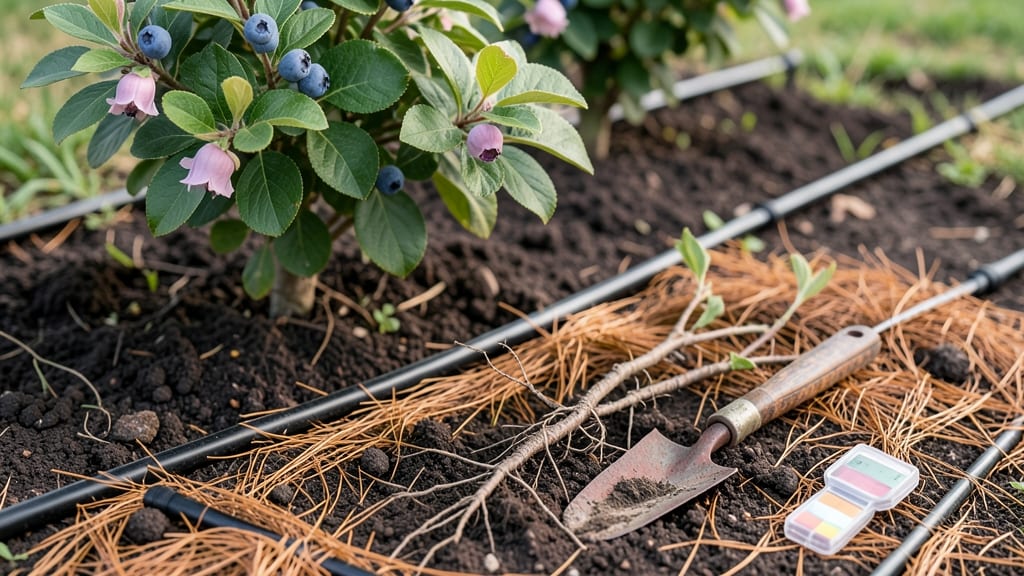
Timing your blueberry planting in Utah could mean the difference between a thriving bush and one that struggles to survive. With the state's 5-7 USDA zones and dramatic temperature swings, getting the window right is everything.
I’ve grown these 🫐 bushes in Utah’s climate for years, and the best results always come from planting in early spring or fall—when the soil is workable but the risks of extreme heat or frost are low.
You might think all planting seasons are equal, but Utah’s microclimates—from the Wasatch Front’s cooler valleys to the desert’s intense sun—demand precision. The key is matching your variety to the chill hours your region provides, ensuring your bushes flower and fruit reliably.
Let’s break down exactly when to plant for your specific part of the state and how to set your bushes up for a bountiful harvest.
Many gardeners skip the fall planting window, but it’s actually ideal for Utah’s climate. Planting blueberries in September or early October gives roots time to establish before winter, while avoiding the heat stress of summer.
Spring planting, on the other hand, should happen as soon as the soil thaws—typically by early April—but before the last frost date hits around mid-April.
Whether you’re a beginner or a seasoned gardener, these insights will help you avoid common pitfalls like alkaline soil issues or improper chill-hour matching. By the end, you’ll know exactly when to plant 🫐 bushes in Utah to maximize survival and productivity—no guesswork required.
Utah’s best planting months for blueberries: climate zones explained
Utah’s diverse climate—from the Wasatch Front’s cooler valleys to the high desert’s intense sun—means blueberry planting timing varies dramatically. The ideal window for planting is early spring (March–April) or early fall (September–October), but your specific location dictates the best approach.
Northern Utah’s USDA Zones 5-6 (e.g., Ogden, Logan) benefit from spring planting, while southern Utah’s Zone 7-8 (e.g., St. George, Moab) often favors fall planting to avoid summer heat stress.
Soil temperature is critical—roots need 45°F+ to establish before summer’s heat arrives. In low-elevation desert areas, plant in September to give roots time to settle before winter dormancy. Meanwhile, mountain regions (e.g., Park City) can plant as late as May due to cooler soils.
Always check your last frost date (typically April 15 in northern Utah, March 15 in southern Utah) to time planting perfectly.
Elevation plays a huge role: High-desert areas (6,000–8,000 ft) like Price or Delta have shorter growing seasons, so fall planting is safer. Meanwhile, valley regions (4,000–5,000 ft) like Salt Lake City can handle spring planting with proper irrigation.
For microclimates, observe local nurseries—they’ll know which timing works best for your specific area.
Here’s how Utah’s microclimates break down for blueberry planting:
| Region | Best Planting Window | Key Consideration |
|---|---|---|
| Northern Utah (Ogden, Logan, Park City) | March–April (spring) | Cooler soils; avoid late spring frost risks |
| Salt Lake Valley (Salt Lake City, Provo) | March–April or September | Flexible; monitor soil temps |
| Southern Utah (St. George, Moab, Cedar City) | September–October (fall) | Avoid summer heat; establish roots before winter |
| High Desert (Price, Delta, Richfield) | September (early fall) | Short growing season; prioritize root growth |
| Mountain Valleys (Heber, Park City) | May–June (late spring) | Later frost dates; cooler microclimate |
Spring planting in Utah offers longer root establishment before summer’s heat, but requires consistent moisture to prevent drought stress. Fall planting, on the other hand, lets roots settle before winter, reducing transplant shock.
For container-grown blueberries, you can plant slightly later—even into May—since pots warm up faster in spring.
Pro tip: Use a soil thermometer to confirm 45°F+ soil temps before planting. In southern Utah, this might mean waiting until late April for spring planting.
For northern Utah, aim for early April to beat frost risks. Always mulch heavily (3–4 inches of wood chips) to regulate soil temperature and retain moisture.
One common mistake in Utah is planting too early in cold, wet springs (like 2019’s late frosts), which stunts root growth. Conversely, planting too late in hot summers (e.g., June in St. George) causes transplant shock.
Stick to the recommended windows and adjust by 1–2 weeks based on your local weather patterns.
For urban gardeners in Salt Lake City or Provo, fall planting is often easier—cooler temps mean less watering, and established roots handle winter better. If you’re in a high-desert area, prioritize water access for your new plants, as Utah’s alkaline soils dry out quickly.
Always amend soil with peat moss or sulfur to lower pH before planting—Utah’s natural soil is too alkaline for blueberries!
Finally, consider your blueberry variety’s chill-hour needs. Southern Utah’s low-chill varieties (like ‘Top Hat’) can handle fall planting better than high-chill types (like ‘Bluecrop’). We’ll cover variety matching in the next section, but for now, focus on timing roots right—that’s the foundation for a bountiful Utah harvest.
Utah’s best planting months for blueberries: climate zones explained
Utah’s diverse climate—from the Wasatch Front’s cooler valleys to the high desert’s intense sun—means blueberry planting windows vary dramatically. The ideal planting months are March-April (spring) or September-October (fall), but your exact timing depends on elevation and microclimate.
For example, Salt Lake City (Zone 6) has a shorter growing season than St. George (Zone 8), where late fall planting works best.
Spring planting gives roots time to establish before summer heat, while fall planting lets bushes acclimate before winter. In northern Utah, aim for early April to avoid late frosts (average last frost: April 15), whereas southern Utah can plant until mid-October thanks to milder winters.
Always check your local frost dates—Utah’s 1,500-foot elevation swings create microclimates where a valley might frost while a nearby hillside doesn’t.
| Region | Best Planting Window | Soil Temp Goal (°F) | Key Consideration |
|---|---|---|---|
| Northern Utah (Zones 5-6) | Early April–Mid-May | 45–55°F | Late frosts; prioritize cold-hardy varieties |
| Central Utah (Zones 6-7) | March–April or Sept–Oct | 40–50°F | Balanced seasons; both windows work |
| Southern Utah (Zones 7-8) | Sept–Oct (fall preferred) | 50–60°F | Longer growing season; avoid summer heat |
Soil temperature is critical—blueberry roots need 45–60°F soil to establish. Use a soil thermometer to confirm readiness; in high-elevation areas, wait until after May 1 to avoid frost damage. For container growing, plant 2–4 weeks earlier since pots warm faster.
Pro tip: In St. George’s Zone 8, plant in shade cloth during summer to protect young roots from 100°F+ soil.
Utah’s alkaline soils (pH 7.5–8.5) are the biggest challenge—blueberries need acidic soil (pH 4.5–5.5). Amend planting holes with peat moss or sulfur 4–6 weeks before planting to lower pH. Test soil twice yearly (spring/fall) using a home pH kit—Utah’s limestone bedrock makes natural acidification nearly impossible without intervention.
Mulching is non-negotiable in Utah’s dry climate. Apply 3–4 inches of pine bark mulch to retain moisture and regulate soil temperature. In desert areas, use black plastic mulch to warm soil in spring or straw mulch to cool it in summer.
Water deeply before planting to settle soil—Utah’s clay-heavy soils compact easily, slowing root growth.
Timing your planting to Utah’s chill-hour requirements (500–1,200 hours below 45°F) ensures bud set and fruiting. For example, ‘Bluecrop’ (800–1,000 hours) thrives in northern Utah, while ‘Top Hat’ (300–500 hours) is perfect for St. George’s milder winters.
Match your variety to your region’s chill hours for reliable harvests every year. 🫐