
Plants
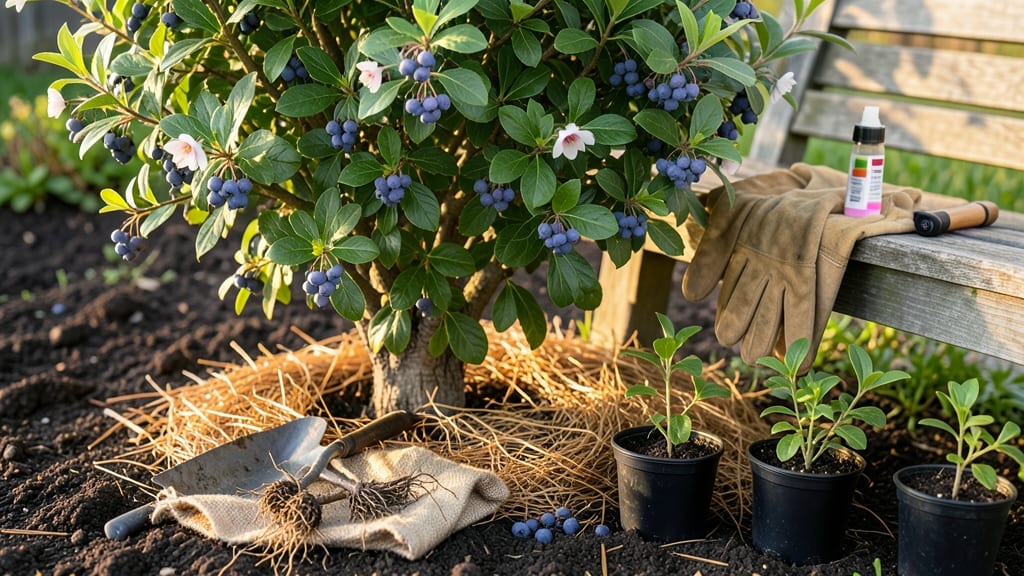
Planting your 🫐 blueberry bush at the wrong time in Georgia could mean the difference between a bountiful harvest and years of disappointment. The state's unique climate—with its hot summers and mild winters—demands precise timing to ensure your bushes get the chill hours they need while avoiding heat stress.
Most Georgia gardeners assume spring is the only option, but late fall to early spring is actually the sweet spot for planting. Why? Because cooler temperatures help roots establish before summer's intensity hits.
For USDA zones 7b-8b, this means getting your bushes in the ground between October and March—before the last frost in mid-March.
In this guide, I’ll break down the exact window for planting—whether you’re working with bare-root bushes or containers—and how to match your variety to Georgia’s chill-hour zones.
You’ll also learn how to prep your soil, protect young plants from unpredictable freezes, and avoid the costly mistakes that derail so many blueberry gardens in the Peach State.
Ready to set your 🫐 blueberry bush up for success? Let’s dive into the science and steps that will have you harvesting plump berries by next May or June.
Georgia’s best planting windows for blueberry bushes by chill-hour requirements
Blueberry bushes thrive in Georgia’s climate, but their chill-hour requirements determine the best planting window. Most varieties need between 400–900 chill hours (temperatures below 45°F) to produce fruit. Southern highbush types (400–500 hours) work well in USDA Zone 8a, while rabbiteye varieties (600–900 hours) suit Zone 7b.
Planting too early risks frost damage; too late, and growth stalls before winter chill sets in.
In Georgia, fall planting (October–December) is ideal for bare-root bushes, allowing roots to establish before dormancy. Spring planting (March–April) works for container-grown plants but requires extra care to avoid heat stress.
North Georgia’s cooler microclimates (Zone 7b) can handle slightly earlier fall plantings, while South Georgia’s heat (Zone 8a) favors late fall or early spring.
Here’s how chill-hour needs break down by variety and region:
For North Georgia (Zone 7b), aim to plant by November 15 to ensure roots establish before winter. In South Georgia (Zone 8a), stretch planting to early December or delay until February to avoid heat stress.
Always check your local last frost date—Atlanta’s average is March 15, while Savannah’s is March 1.
Pro tip: Use a soil thermometer to confirm ground temps are below 70°F before planting. Cooler soil reduces transplant shock. Pair this with a 3-inch layer of mulch (pine straw or wood chips) to retain moisture and regulate temperature.
Spring planting (March–April) is riskier but works for container-grown bushes. Choose cloudy days to reduce stress, and provide afternoon shade for the first 2 weeks. Avoid planting after April 15, as Georgia’s heat can overwhelm young roots.
Regardless of season, amend your soil with peat moss or sulfur to lower pH to 4.5–5.5. Georgia’s native clay often needs 1–2 pounds of elemental sulfur per 100 sq ft to create the acidic conditions blueberries crave. Test your soil 2–3 weeks before planting for accuracy.
Remember: Chill hours aren’t just about winter—they’re about bud development. If you’re in a mild-winter area (like Zone 8b), opt for low-chill varieties like ‘Premier’ or ‘Climax’ to ensure reliable fruiting. For colder North Georgia spots, ‘Tifblue’ or ‘Powderblue’ deliver sweeter berries with higher chill tolerance.
🌱
Why spring planting in Georgia often fails (and how to fix it)
Spring planting in Georgia can be risky for blueberry bushes because of the state’s sudden heat spikes and clay-heavy soils. Many gardeners rush to plant in March or April, only to watch their bushes struggle with heat stress or poor root establishment.
Without proper adjustments, your blueberries may never recover enough to produce fruit.
One of the biggest mistakes is planting too early, when soil temperatures are still cool but air temperatures are rising. Blueberry roots need consistent warmth to thrive, and Georgia’s clay soils can become compacted, suffocating young roots.
Additionally, lack of winter chill (if planted late) can prevent proper dormancy, leading to weak growth.
To fix these issues, delay planting until mid-April in most of Georgia, or even early May in hotter southern regions like Albany or Valdosta. This gives the soil time to warm up while avoiding the peak heat of late spring.
For container-grown bushes, you can plant slightly earlier (early April) since pots warm faster.
Pro Tip: Use shade cloth (30-50% coverage) for the first 2-3 weeks after planting to protect young bushes from intense afternoon sun. This mimics the gradual hardening process they’d experience in cooler climates. Water deeply every 5-7 days to encourage root growth into Georgia’s dense soil.
Another critical fix is amending the soil before planting. Georgia’s native soil is often alkaline and nutrient-poor, which blueberries hate. Mix in 2-3 inches of compost and sulfur (to lower pH to 4.5-5.5) at least 4-6 weeks before planting.
This gives microbes time to break down organic matter and improve drainage.
If you’ve already planted too early, don’t panic! Mulch heavily with pine straw or wood chips (3-4 inches deep) to insulate roots and retain moisture. Avoid fertilizing until June, as new growth in hot weather can stress the plant further.
Instead, focus on deep watering and pruning weak stems to redirect energy to root development.
By adjusting your timeline and preparing the soil properly, you can transform a failed spring planting into a thriving blueberry bush—ready to bear fruit in just 2-3 years. The key is patience and climate-smart adjustments tailored to Georgia’s unique growing conditions. 🌱