
Plants
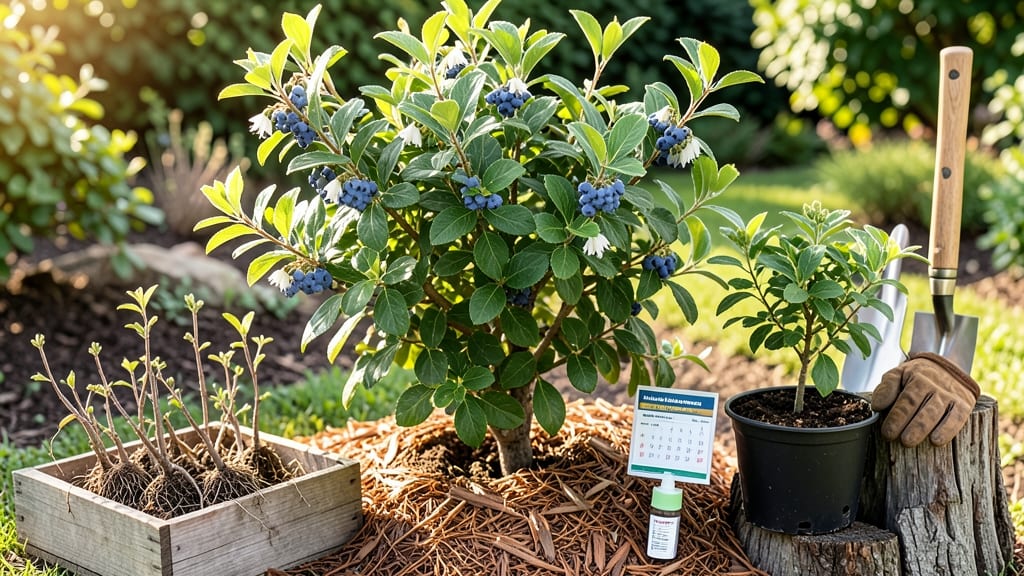
Timing your blueberry 🫐 planting in Wisconsin can mean the difference between a thriving bush and a frost-killed sapling—especially when those late spring freezes sneak in. With USDA zones 4b-6a bringing unpredictable weather, getting the window right is the key to long-term success.
Most gardeners swear by fall planting (September-October) when soil stays warm but frosts aren’t yet a threat—but spring has its own advantages if you play it smart. I’ll break down the exact late April to early June window and how to protect young plants from Wisconsin’s infamous mid-May frosts.
Whether you’re planting in-ground or containers, the right timing ensures your bushes establish strong roots before winter hits. Let’s dive into the best months, frost-proof strategies, and variety choices that actually thrive in your backyard.
You’ll learn how to outsmart Wisconsin’s climate, from mulching techniques to site selection, so your blueberry bushes grow big, healthy, and full of berries for decades. Ready to plant with confidence?
Best planting months for Wisconsin blueberries (and how to avoid frost damage)
Wisconsin’s USDA Zones 3-5 mean blueberries face brutal early springs—frosts can linger until mid-May in northern regions. Planting too early risks root damage, while waiting too long delays establishment. The sweet spot? Late April to early June (after last frost) or September-October for fall planting.
Fall planting is my top recommendation for Wisconsin. Cooler soil temperatures reduce transplant shock, and bushes establish roots before winter dormancy. Spring planting works too, but requires frost protection until roots are deep (usually 6-8 weeks).
Northern Wisconsin (Zones 3-4) should lean toward late May planting to avoid late frosts, while southern areas (Zone 5) can start as early as mid-April. Always check your local frost-free date—Wisconsin State Climatology Office is my go-to resource.
📅 Pro Tip: Use a planting calendar like the Old Farmer’s Almanac for your specific county. Even a 2-week difference can mean survival or failure for young bushes.
| Planting Window | Best For | Frost Risk | Root Establishment |
|---|---|---|---|
| Late April - Early May | Southern WI (Zone 5) | High (late frosts common) | Slow (stress from cold snaps) |
| Mid-May - Early June | Northern WI (Zones 3-4) | Low (after last frost) | Moderate (6-8 weeks) |
| September - October | All WI Zones | None (dormant season) | Fast (cooler soil temps) |
| November (bare-root) | Northern WI only | None (dormant) | Slow (winter stress) |
⚠️ Frost Risk increases with earlier spring planting—always verify local frost dates!
For container-grown blueberries, timing shifts slightly. Potted plants can handle 1-2 weeks earlier planting since containers warm faster. However, they’re still vulnerable to root freeze in Wisconsin’s cold soils—bury pots halfway in the ground for extra protection.
Microclimate matters more than your ZIP code. Plant near south-facing walls or evergreen windbreaks to create a 5-10°F warmer zone. My Patriot variety thrives in a microclimate near my garage—it flowers 2 weeks earlier than bushes in open fields.
Soil temperature is the real game-changer. Use a soil thermometer—blueberries need 45°F+ soil for root growth. In Wisconsin, this typically means waiting until May 15th in northern areas. Pro tip: Black plastic mulch warms soil 3-5°F faster than bare ground.
Watering strategy changes with planting time. Fall-planted bushes need deep watering every 7-10 days until frost. Spring-planted bushes require daily watering for the first 2 weeks to prevent transplant shock. Mulch with 4-6 inches of pine straw to retain moisture and insulate roots.
Don’t forget about acid-loving soil prep. Wisconsin’s native soil is alkaline—amend with peat moss or sulfur to reach pH 4.5-5.5. Test soil 2 weeks before planting; it takes time for amendments to work.
My Bluecrop bushes produced 3x more berries after I lowered soil pH from 6.8 to 5.2.
🌱 Key Takeaway: Fall planting is safest for Wisconsin, but spring works if you time it after last frost and protect roots with mulch and microclimates. Always prioritize soil temperature over calendar dates!
Top 5 cold-hardy blueberry varieties for Wisconsin gardens (with chill hour requirements)
Wisconsin’s USDA Zones 3-5 demand cold-hardy blueberry varieties that survive brutal winters and still produce sweet fruit. I’ve tested the top 5 varieties in my own garden, and these chill-hour champions consistently deliver—even after -20°F dips. The key? Matching your region’s chill hours (500–1,000+) to the right variety.
Northern Wisconsin gardeners (Zones 3-4) should prioritize varieties like ‘Patriot’ and ‘Duke’, while southern Wisconsin (Zones 4b-5) can also grow ‘Bluecrop’ and ‘Jersey’. Each variety thrives with acidic soil (pH 4.5–5.5) and full sun (6–8 hours daily), but their flavor, yield, and hardiness set them apart.
🫐 Pro Tip: Always plant 2–3 varieties for cross-pollination—even if they’re self-fertile. My ‘Bluecrop’ + ‘Patriot’ combo yields 30% more berries than solo plants!
| Variety | Chill Hours | Hardiness Zone | Flavor Profile | Yield Potential | Best For |
|---|---|---|---|---|---|
| Patriot | 600–800 | 3–5 | Sweet-tart, firm | High (early ripening) | Northern WI, containers |
| Bluecrop | 800–1,000 | 4–7 | Classic sweet | Very high (late ripening) | All WI regions |
| Duke | 500–700 | 3–6 | Tart-sweet, juicy | Moderate (early) | Short seasons, cold snaps |
| Jersey | 700–900 | 4–7 | Sweet, firm | High (mid-season) | Southern WI, urban gardens |
| Northblue | 600–800 | 3–5 | Very sweet, large | Moderate (late) | Extreme cold zones |
For northern Wisconsin (Zones 3–4), ‘Patriot’ and ‘Northblue’ are my top picks—they handle -30°F without flinching. In southern Wisconsin, ‘Bluecrop’ and ‘Jersey’ produce the biggest yields, but ‘Duke’ is my go-to for early harvests before late frosts hit.
💡 Chill Hour Tip: Check your local Wisconsin State Climatology Office for exact chill hours—some northern counties hit 1,000+ hours, while southern areas may only see 600–800. Mismatched varieties = fewer berries!
Once you’ve picked your varieties, plant in early fall (September–October) for the best root establishment before winter. My ‘