
Plants
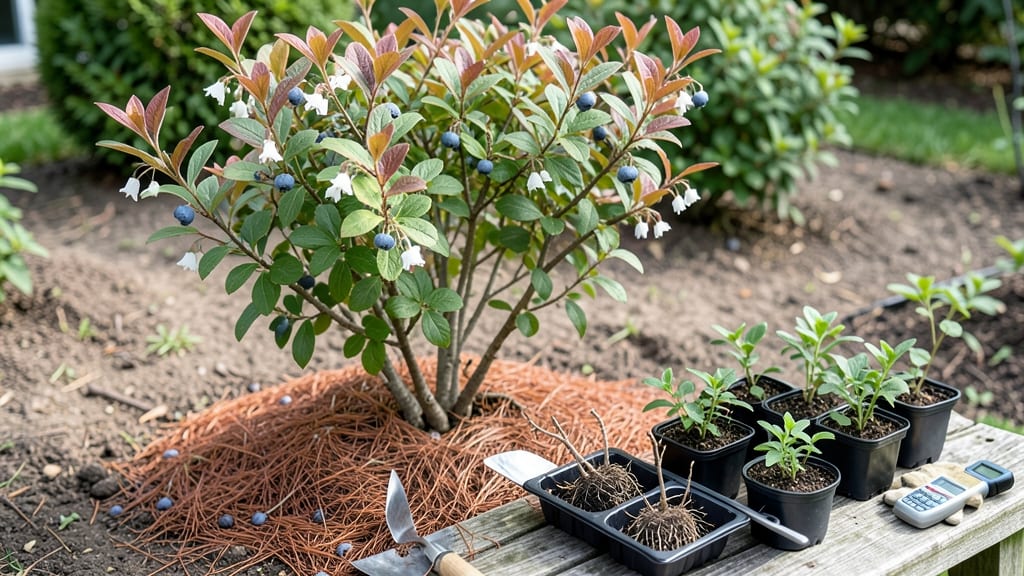
If you're dreaming of a backyard bursting with juicy 🫐 blueberries in Zone 8b, timing your planting is the key to success - and getting it wrong could mean years of disappointment.
The perfect window isn't just about months, but matching your blueberries' chill-hour needs with Zone 8b's unique climate patterns.
Most gardeners assume spring planting is the only option, but in Zone 8b, late fall through early spring offers cooler soil temperatures and reduced stress for your new bushes. This 60-day window between October and March gives your blueberries the best chance to establish strong roots before summer heat arrives.
What makes Zone 8b different? Unlike colder zones, your blueberries need 400-800 chill hours to produce fruit, and coastal areas may require different timing than inland spots. I'll show you exactly how to calculate your local chill hours and choose the optimal planting month for your specific microclimate.
Ready to transform your garden into a blueberry paradise? Let's dive into the precise planting schedule that will have you harvesting sweet, plump berries by next May or June—plus the soil prep secrets that make all the difference in Zone 8b's challenging conditions.

Zone 8b blueberry planting calendar: chill-hours explained
Blueberries thrive in Zone 8b when planted during their dormant season—typically late fall or winter. This timing ensures they receive the 400–800 chill-hours needed to break dormancy and produce fruit.
Unlike cooler zones, Zone 8b’s mild winters mean you must avoid planting when soil temps rise above 40°F (4°C), which can stress young roots.
Most gardeners in Zone 8b plant between October and March, with November–February being ideal. This window aligns with cooler soil temps and avoids the heat stress of spring. Coastal areas may extend planting slightly later due to milder microclimates, but inland regions should stick to the earlier window.
Chill-hours are critical: Southern highbush varieties (like ‘Climax’) need 400–500 hours, while rabbiteye types (like ‘Tifblue’) tolerate up to 800 hours. Use your local weather station’s data or a chill-hour calculator to confirm your area’s accumulation—most Zone 8b regions hit these thresholds by late winter.
Soil temperature is just as important as air temp. Plant when the ground is below 50°F (10°C) to prevent root shock. In Zone 8b, this usually means waiting until after the first frost (around November 15) but before soil warms in spring.
Use a soil thermometer to monitor—ideal temps are 45–55°F (7–13°C).
Bare-root blueberries are easiest to plant in late fall or winter. Their roots establish slowly in cooler soil, giving them a head start for spring growth. Container-grown bushes can be planted slightly later (up to March), but they’ll need extra care to avoid transplant shock in warming soil.
Zone 8b Blueberry Planting Summary
| Season | Best Planting Window | Soil Temp | Chill-Hours Needed |
|---|---|---|---|
| Fall | October–November | 45–55°F (7–13°C) | 400–600 hrs |
| Winter | December–February | 40–50°F (4–10°C) | 600–800 hrs |
| Early Spring | March (cooler inland areas) | Below 50°F (10°C) | 400+ hrs (varies by variety) |
*Use a soil thermometer to verify temps before planting.
If you miss the fall/winter window, March is your last chance—but only for container-grown bushes or areas with cooler microclimates. Avoid planting after March 15 unless you’re prepared to provide shade cloth and extra water to protect young plants from heat stress.
Pro tip: Mulch heavily (3–4 inches of pine bark or pine needles) after planting to insulate roots and maintain soil moisture. This mimics the acidic, moisture-retentive conditions blueberries love. In Zone 8b’s heat, mulch also prevents soil temp spikes that can stunt growth.
For precision, check your local USDA Plant Hardiness Zone Map and adjust for microclimates. Coastal areas may have 1–2°F warmer winters, while inland spots can be 5°F cooler. Use this data to fine-tune your planting date—even a 2-week difference can impact fruit yield.
Remember: Patience pays off. Blueberries planted in late fall or winter may not bear fruit until their second or third year, but proper timing ensures they’ll thrive in Zone 8b’s challenging climate. With the right chill-hours and soil prep, you’ll be harvesting juicy, homegrown blueberries for decades.
Best blueberry varieties for Zone 8b and their planting windows
Choosing the right blueberry variety for Zone 8b is half the battle—especially since not all types thrive in this mild-winter climate. Southern highbush varieties like ‘Climax’ and ‘Duke’ are your best bets, as they need 400–800 chill hours and handle heat better than northern types.
Let’s break down the top performers and their ideal planting windows to maximize your harvest.
For Zone 8b’s unique conditions, timing matters just as much as variety selection. Most gardeners plant in late fall (October–November) or early spring (February–March), but the right choice depends on your local frost dates.
Coastal areas may have milder winters, while inland regions might face occasional cold snaps—adjust accordingly. Bare-root plants are easiest to establish, but container-grown options work too if you’re planting in spring.
Blueberry Variety Comparison for Zone 8b
| Variety | Chill Hours | Best Planting Month | Mature Size | Harvest Time |
|---|---|---|---|---|
| ‘Climax’ | 500–700 | October–November | 5–6 ft tall | Late May–June |
| ‘Duke’ | 400–600 | February–March | 6–8 ft tall | June–July |
| ‘Tifblue’ | 450–600 | October–November | 4–5 ft tall | May–June |
| ‘Premier’ | 600–800 | February–March | 5–6 ft tall | June–July |
*Chill hours = hours below 45°F needed for flowering. Adjust planting based on your local frost dates.
If you’re planting in spring (March–April), opt for ‘Duke’ or ‘Premier’—they handle warmer soils better and still meet their chill-hour needs. For fall planting (October–November), ‘Climax’ or ‘Tifblue’ are ideal because their roots establish over winter, giving them a head start in spring.
Just ensure the ground isn’t frozen when you plant!
Pro tip: Pair southern highbush varieties with a pollinator-friendly companion plant like bee balm or lavender to boost fruit set. And always check your local frost dates—Zone 8b’s last frost can vary by 2–3 weeks depending on elevation and proximity to water.
For container growing in Zone 8b, dwarf varieties like ‘Top Hat’ (3–4 ft tall) are perfect. Use a large pot (15+ gallons) with acidic potting mix and plant in early spring to avoid heat stress. Just remember: containers dry out faster, so water deeply 2–3 times per week during summer.
Your blueberry bushes will thank you for the right variety and timing—especially in Zone 8b’s hot summers and mild winters. Start with ‘Climax’ or ‘Duke’, plant in late fall or early spring, and watch your bushes thrive! 🫐