
Plants
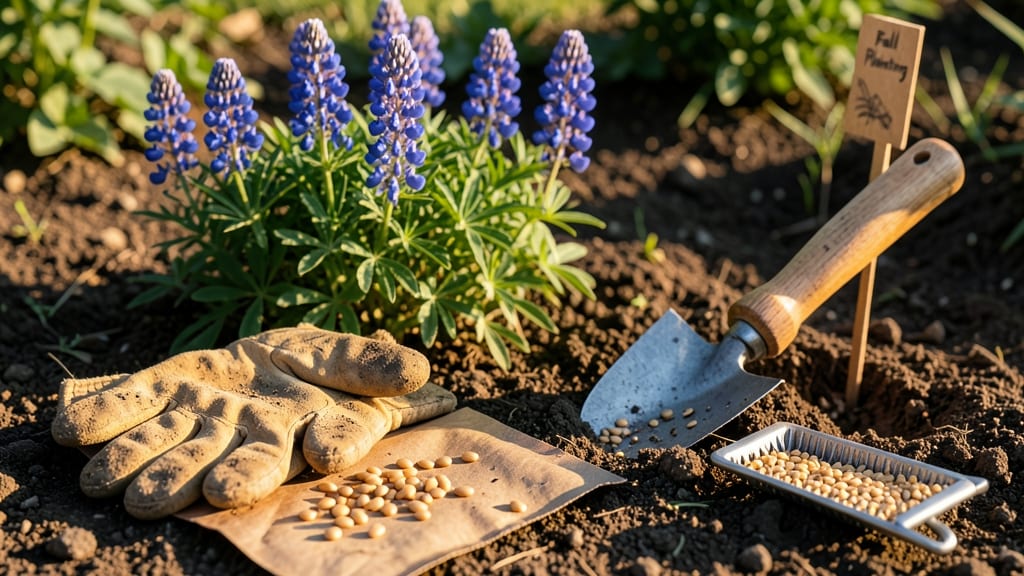
Planting Bluebonnet seeds at the wrong time in Central Texas could mean missing out on those stunning 🌸 carpets of blue that make the state famous.
The key to success lies in understanding your chill-hour needs and the frost-free window—because timing these right is what separates a sparse patch from a vibrant spring display.
Most gardeners in USDA Zone 8a know fall is the perfect window, but exactly when? The ideal planting window stretches from September through October, when temperatures start to cool but haven’t yet dipped into frost season.
This balance gives seeds time to germinate before winter dormancy sets in, ensuring they’ll bloom beautifully come spring.
Why does this matter so much? Bluebonnets need 300–600 chill hours to trigger flowering, and planting too early or late can disrupt that process.
In Central Texas, where frost can arrive as early as late November, getting the timing right means the difference between a thriving garden and a missed opportunity.
In this guide, I’ll break down the exact steps—from soil prep to seed depth—to help you plant with confidence. Whether you’re a first-time gardener or a seasoned pro, these tips will set you up for a showstopping spring display of 🌸 Bluebonnets.
Best planting months for Bluebonnets in Central Texas (chill-hours explained)
Timing your bluebonnet seeds correctly is the secret to those iconic Texas blue carpets. In Central Texas (USDA Zone 8a), the ideal window spans from mid-August to October, but understanding chill-hours is key to success.
These hardy annuals need 300–600 chill-hours (temperatures between 32–45°F) to trigger spring blooms. Plant too early, and they’ll bolt in heat; too late, and they may not get enough cold to flower.
Most Central Texas gardeners land on September as the sweet spot. This gives seeds time to germinate before winter while ensuring they experience the necessary chill-hours. For example, Austin typically hits 500 chill-hours by early December, while Waco may reach it by late November.
Use your local weather station data to fine-tune your timeline—every 100 miles can shift chill-hours by 50–100 hours.
Here’s the golden rule: Aim to plant when soil temps are 60–70°F and nighttime temps dip into the 50s°F. This balance prevents premature germination in summer heat while allowing seeds to establish before frost.
If you’re in a warmer microclimate (like near the Hill Country), push planting to late September to avoid early bolting.
🌱
| Planting Window | Chill-Hours Needed | Soil Temp | Notes |
|---|---|---|---|
| Mid-August | 300–400 | 60–70°F | Risk of summer bolting; best for high-elevation areas. |
| September | 400–500 | 55–65°F | Ideal for most of Central Texas; balances chill and heat. |
| October | 500–600 | 50–60°F | Best for late bloomers; may need winter protection. |
| November | 600+ | 45–55°F | High risk of frost; seeds may not germinate until spring. |
If you’re unsure about your local chill-hours, use the Texas A&M AgriLife Extension chill-hour calculator or check your nearest NOAA weather station. For example, College Station averages 550 chill-hours, while San Antonio gets closer to 450.
This variance explains why bluebonnets thrive wildly in some areas but struggle in others—even within the same county!
Pro tip: Stagger your planting by 2–3 weeks to extend your bloom season. Sow half your seeds in early September and the rest in mid-October. This ensures some plants get enough chill to flower early, while others bloom later, creating a continuous carpet from March through May.
One common mistake is planting too late and expecting spring blooms. If seeds go into the ground after November 15, they may not germinate until January or February, pushing blooms to late spring or summer—when Texas heat can scorch them. Always prioritize chill-hours over eagerness to plant!
For urban gardeners with limited space, consider container planting in September. Use well-draining pots with a south-facing exposure to maximize sunlight. Just remember: bluebonnets hate soggy roots, so ensure pots have drainage holes and avoid overwatering during germination.
Finally, native bluebonnets (Lupinus texensis) outperform hybrids in Central Texas. They’re adapted to our climate extremes and require less maintenance. If you’re planting for wildflower meadows, mix seeds with Indian paintbrush or coreopsis for a longer bloom season and better pollinator support.
☀️
Frost-free window & soil prep: critical steps for fall planting success
Understanding Central Texas’s frost-free window is the first step to planting Bluebonnet seeds successfully. In USDA Zone 8a, the average last frost date falls around February 1, while the first frost typically arrives by November 30.
This narrow window means you need to plant seeds between September and October to ensure they germinate before winter dormancy begins.
Soil preparation is just as critical. Bluebonnets thrive in well-draining soil with a pH between 6.0 and 7.5. Test your soil’s pH before planting—amending it with lime or sulfur can save you from poor germination. Avoid heavy clay soils, which can suffocate seeds and stunt growth.
🚨 CRITICAL WARNING: Avoid planting too early! Seeds sown in August may germinate and grow too quickly, only to be killed by early fall heatwaves. Conversely, planting too late—after November 15—risks exposure to frost before seeds establish roots.
Frost Risk Alert
Central Texas frost can arrive as early as November 15 in some areas. If temperatures drop below 32°F before seeds germinate, your Bluebonnets may fail to establish.
For soil prep, start by removing weeds and tilling the top 4–6 inches of soil. Mix in compost or aged manure to improve drainage and fertility. Bluebonnets are drought-tolerant once established, so avoid over-fertilizing—too much nitrogen can reduce flowering.
When planting, scatter seeds lightly on the soil surface—they need sunlight to germinate. Rake them in 1/8-inch deep and space them 6–12 inches apart. Water gently to settle the soil, but avoid soaking the seeds. Mulch lightly with straw to retain moisture and suppress weeds.
After planting, monitor your garden for early frost warnings. If frost is forecasted before seeds germinate (usually 2–4 weeks after planting), cover the area with frost cloth to protect young seedlings. Once established, Bluebonnets can handle light frost, but new growth is vulnerable.
With the right timing and soil prep, your Bluebonnets will reward you with vibrant spring blooms that last for weeks. The key is balancing chill-hour needs with the frost-free window—and Central Texas’s unpredictable weather makes this a year-round lesson in patience and preparation. 🌸