
Plants
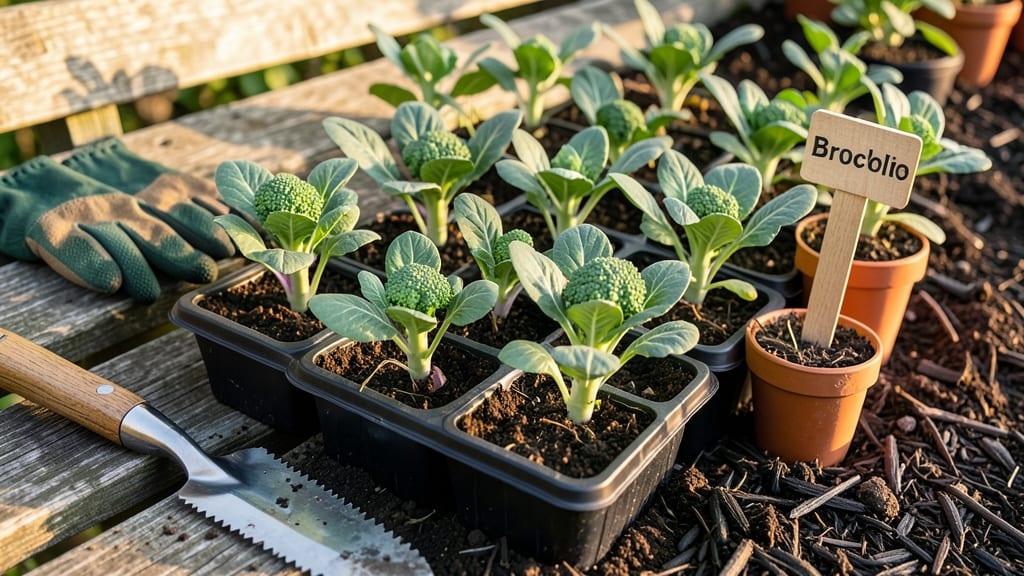
If you’ve ever stared at your calendar wondering "when to plant broccoli in NJ", you’re not alone—NJ’s unpredictable frosts and short growing season make timing the difference between a bumper crop and a sad, wilted 🥦.
Plant too early, and a late frost will turn your hard work into a sad salad. Too late, and your harvest shrinks before summer heat sets in.
Here’s the game-changer: In New Jersey’s Zone 6B, broccoli thrives when planted in early spring (March–April) or late summer (August–early September). But it’s not just about dates—it’s about reading your microclimate. Coastal areas like Cape May have milder winters, while North Jersey’s colder zones need extra protection.
I’ll break down the exact planting windows, soil prep tricks, and how to outsmart NJ’s infamous late-spring frosts. Whether you’re a first-time gardener or a veteran with a green thumb, these tips will help you grow bold, healthy heads—no guesswork required.
Ready to turn your garden into a broccoli powerhouse? Let’s dive into the perfect schedule for your NJ zone—and avoid the mistakes that waste your time and money.
Best planting dates for broccoli in NJ’s zone 6B climate
New Jersey’s Zone 6B climate gives us just two optimal windows to grow broccoli: early spring and late summer. The key is planting 4-6 weeks before your last frost date (typically mid-April) for spring or 90-100 days before the first frost (around mid-October) for fall.
Miss these windows, and you’ll risk stunted heads or bolting—when broccoli flowers prematurely.
For spring planting, start seeds indoors in late February or buy transplants in early March. Harden off seedlings for 7-10 days before transplanting outdoors in late March to early April.
This timing ensures heads form before summer heat sets in. In fall, direct-sow seeds in late July to early August for a late-October harvest.
Here’s the critical rule: Avoid planting broccoli when daytime temperatures exceed 80°F. In NJ’s inland areas (like Morris or Sussex counties), summer heat arrives earlier than coastal regions (like Cape May). Adjust your schedule accordingly—coastal gardeners can push fall planting slightly later.
| Planting Window | Action | Notes for NJ |
|---|---|---|
| Early Spring | Start seeds indoors: Late February | Use grow lights; transplant outdoors after last frost (mid-April). |
| Early Spring | Transplant seedlings: Early March | Buy cold-hardy varieties like 'Waltham 29' or 'De Cicco'. |
| Late Summer | Direct-sow seeds: Late July | Choose heat-tolerant varieties like 'Calabrese' for extended harvests. |
| Fall | Transplant seedlings: Early August | Mulch heavily to protect roots from early frost (mid-October). |
| Succession Planting | Sow every 2 weeks in spring/fall | Stagger plantings to avoid bolting from heat stress. |
NJ’s variable frost dates complicate things. Inland areas (like Bergen County) can see frost as late as May 15, while coastal zones (like Atlantic City) warm up faster. Use a frost calendar from the NJ Agricultural Experiment Station to refine your timing.
For example, if you’re in North Jersey, delay spring planting by 1-2 weeks to avoid late frosts.
Pro tip: Transplanting is easier than direct sowing in spring. Buy 4-6 week-old seedlings from local nurseries (like Burpee or Johnny’s Selected Seeds) to skip the indoor-starting hassle. For fall, direct sowing works best—it’s cheaper and avoids transplant shock when nights cool down.
Don’t overlook soil temperature. Broccoli seeds need soil at 40°F or warmer to germinate. In early spring, use a seedling heat mat if your soil runs cold.
Test it with your finger—if it’s too chilly for you, it’s too cold for seeds. In fall, wait until soil temps drop below 80°F to prevent bolting.
For extended harvests, try succession planting. Sow a new batch every 2 weeks in spring (up to May 15) and every 3 weeks in fall (until August 15). This ensures a steady supply of firm, flavorful heads instead of one overwhelming harvest.
One final NJ-specific hack: Use black plastic mulch in spring to warm the soil faster. Lay it down 2 weeks before planting and cut X’s for seed holes. This gives your broccoli a 2-week head start on the season—critical in our short growing window.
🌱
Best planting dates for broccoli in NJ’s zone 6B climate
New Jersey’s Zone 6B climate demands precision when planting broccoli—get the timing wrong, and you’ll either lose plants to frost or watch them bolt in summer heat.
The ideal windows are early spring (March–April) and late summer (August–early September), but the exact dates depend on whether you’re transplanting seedlings or sowing seeds directly.
For spring planting, aim to set out transplants 4–6 weeks before your last frost date—typically mid-March to early April in most of NJ. If you’re direct sowing, start seeds indoors in late February for transplanting by early April.
Coastal areas like Cape May can push this window slightly earlier, while North Jersey’s colder zones should wait until late March.
Fall planting is equally critical: Broccoli needs 90–100 days to mature before the first frost (usually mid-October in NJ). This means sowing seeds or transplanting by early to mid-August. Varieties like ‘Waltham 29’ or ‘Calabrese’ are reliable choices for fall harvests.
| Planting Window | Action | Notes for NJ |
|---|---|---|
| Early Spring | Transplant seedlings or direct sow | March–April; 4–6 weeks before last frost |
| Late Summer | Transplant or direct sow | August–early September; 90–100 days before first frost |
| Succession Planting | Sow every 2–3 weeks | Extend harvest; stop 8 weeks before first frost |
| Coastal NJ (e.g., Cape May) | Shift windows 1–2 weeks earlier | Milder microclimate allows earlier starts |
| North NJ (e.g., Sussex County) | Wait until late March/April | Later frosts require delayed planting |
Direct sowing is popular among NJ gardeners because it avoids transplant shock, but it requires consistent soil temperatures above 40°F. If you’re sowing seeds, use biodegradable pots to reduce root disturbance. For transplants, choose healthy, sturdy seedlings with dark green leaves and no signs of yellowing.
Pro tip: Use row covers or cold frames to extend your spring planting window by 2–3 weeks. This is especially useful in North Jersey, where late frosts can still hit in early May. Just remove covers once the main head forms to prevent overheating.
Finally, don’t forget succession planting—sow new seeds every 2–3 weeks from early spring until mid-July to ensure a continuous harvest. This strategy works beautifully in NJ’s short growing season, giving you broccoli from May through October.