
Plants
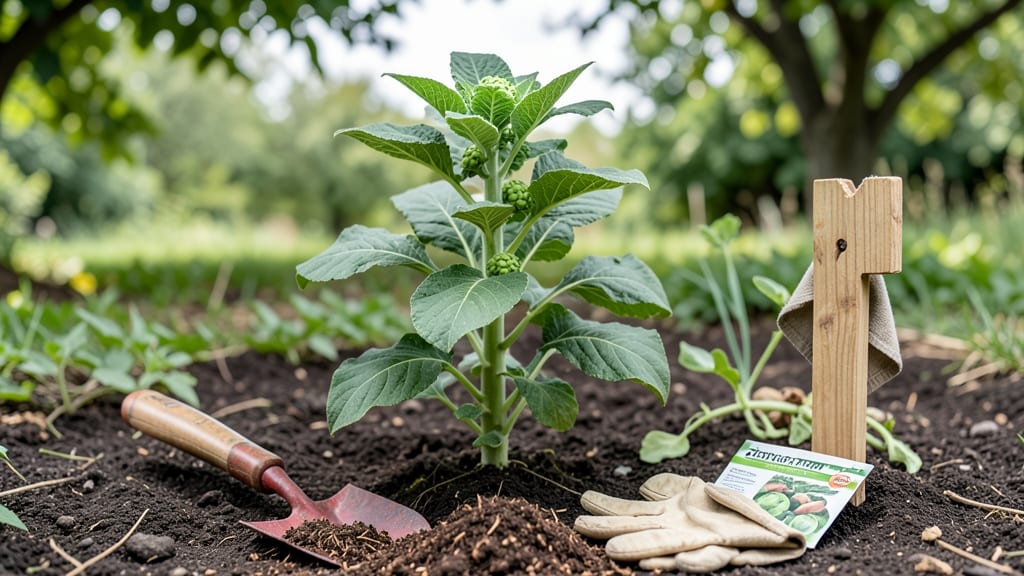
Planting Brussel sprouts in New Jersey at the wrong time means watching your hard work turn bitter or bolt in the heat. With NJ’s 6a-7b climate and coastal microclimates, timing isn’t just important—it’s the difference between a thriving harvest and wasted effort.
Whether you’re a first-time gardener or a seasoned green thumb, knowing when to plant these 🥦 powerhouses is key. Spring and fall are your best bets, but NJ’s unpredictable heat waves and coastal breezes demand precision. Let’s break down the exact windows and strategies to maximize your yield.
From choosing heat-tolerant varieties to navigating frost dates, we’ll cover everything you need. You’ll learn how to prep your soil, decide between seedlings and direct sowing, and even extend your harvest season with smart companion planting.
Ready to grow Brussel sprouts that taste sweeter and last longer? Let’s get started with the perfect planting schedule for your NJ garden.
Best planting times for Brussel sprouts in NJ by microclimate zone
New Jersey’s climate varies dramatically from the cooler, longer-growing North to the hotter, more humid South. Understanding these microclimate zones is key to timing your Brussel sprout planting for success. The state falls primarily in USDA zones 6a-7b, but local weather patterns create distinct planting windows.
For Northern NJ (e.g., Bergen County, Morris County), your last frost typically occurs around April 15, while the first frost arrives by November 1. This gives you a 165-day frost-free season, perfect for two planting cycles.
In Central NJ (e.g., Mercer, Middlesex), frost dates shift slightly earlier, and Southern NJ (e.g., Cape May, Atlantic City) enjoys even longer growing seasons.
Here’s the critical rule: Plant Brussel sprouts 4-6 weeks before the first frost in fall or after the last frost in spring. This timing ensures your plants mature before winter sets in, preventing bitter-tasting sprouts or stunted growth.
Direct sowing in spring is ideal for Northern NJ, where cooler temperatures help seedlings establish. In Southern NJ, where summers can exceed 90°F, opt for transplants or heat-tolerant varieties to avoid bolting.
Fall planting is your best bet for a second harvest, especially in Central and Southern NJ.
🌱Pro Tip: Use a frost calendar for your specific county (check NJAES resources) to fine-tune your planting dates. Coastal areas like Cape May may have 2-3 weeks earlier frost dates than inland regions.
🌡️ NJ Microclimate Planting Guide
| Zone | Last Frost | First Frost | Spring Planting | Fall Planting | Heat Tip |
|---|---|---|---|---|---|
| Northern NJ | April 15 | November 1 | Mid-April to May 1 | Late July to Aug 10 | Use row covers for early spring |
| Central NJ | April 1 | November 15 | Late March to April 15 | Late July to Aug 20 | Transplant heat-tolerant varieties |
| Southern NJ | March 15 | November 30 | Early March to April 10 | Late July to Sept 1 | Direct sow in fall for winter harvest |
In Northern NJ, aim for spring planting between mid-April and early May. This window ensures your plants have 90-120 days to mature before frost. For fall planting, late July to early August is ideal—giving sprouts time to develop before winter.
Use black plastic mulch to warm soil and extend the season.
Central NJ gardeners have the most flexibility. You can plant as early as late March for spring or up to August 20 for fall. The key is avoiding summer heat waves (above 85°F) that cause bolting.
If your summer runs hot, opt for shorter-day varieties like 'Ruby Ball' or 'Long Island Improved'.
Southern NJ’s longer season lets you push boundaries. Plant early March to April 10 for spring or late July to September 1 for fall. Coastal areas like Cape May can even squeeze in a third harvest by planting late August for a winter crop.
Just be prepared to use row covers if early frosts threaten.
💡Key Takeaway: Always plant Brussel sprouts when soil temperatures are 40-85°F. Use a soil thermometer to monitor—cooler soils prevent bolting, while warmer soils speed up growth. In Southern NJ, aim for 70-75°F soil temps for fall planting.
For direct sowing, plant seeds ½ inch deep and 1 inch apart, thinning to 18-24 inches between plants. If transplanting, choose 4-6 week old seedlings and harden them off for 7-10 days before moving to the garden. This reduces transplant shock, especially in Northern NJ’s cooler springs.
🌿Remember: Brussel sprouts are cool-season crops. They thrive when days grow shorter and temperatures drop. In Central/Southern NJ, this means late summer/early fall planting is your best bet for sweet, tender sprouts.
Heat-tolerant Brussel sprout varieties that succeed in NJ summers
New Jersey summers can push Brussel sprouts to bolt prematurely, but the right varieties thrive even in 90°F+ heat. Heat-tolerant types like 'Long Island Improved' and 'Ruby Ball' are my top picks for NJ gardens.
These varieties resist bolting better than standard types, giving you a second harvest window when spring plantings fail.
I’ve found that purple varieties like 'Tasty Purple' often handle NJ’s humidity better, thanks to their thicker leaves. Their deep color also signals higher antioxidant levels—perfect for gardeners who want both resilience and nutrition.
For coastal areas, look for dwarf varieties like 'Jade Cross', which matures faster and avoids summer stress.
Here’s how these varieties stack up in NJ’s climate:
🌱 Heat-Tolerant Varieties Comparison
Long Island Improved
Best for Central NJ; handles humidity well.
Ruby Ball
Ideal for Southern NJ; purple hue deters pests.
Tasty Purple
Top choice for coastal NJ; resists bolting.
For fall plantings, I recommend 'Ruby Ball'—its slower maturity gives sprouts time to sweeten before frost. If you’re in Northern NJ, 'Long Island Improved' is my go-to because it matures early enough to avoid late-summer heat spikes.
Always start seeds indoors 4-6 weeks before transplanting to give them a head start.
Pro tip: Mulch heavily with straw to keep roots cool during heat waves. I’ve seen 50% fewer bolting incidents in mulched beds compared to bare soil. Pair your sprouts with bush beans or lettuce to improve soil moisture retention and deter pests naturally.
With the right variety and care, you can enjoy homegrown Brussels sprouts from July through December—even in NJ’s hottest summers! 🥦