
Plants
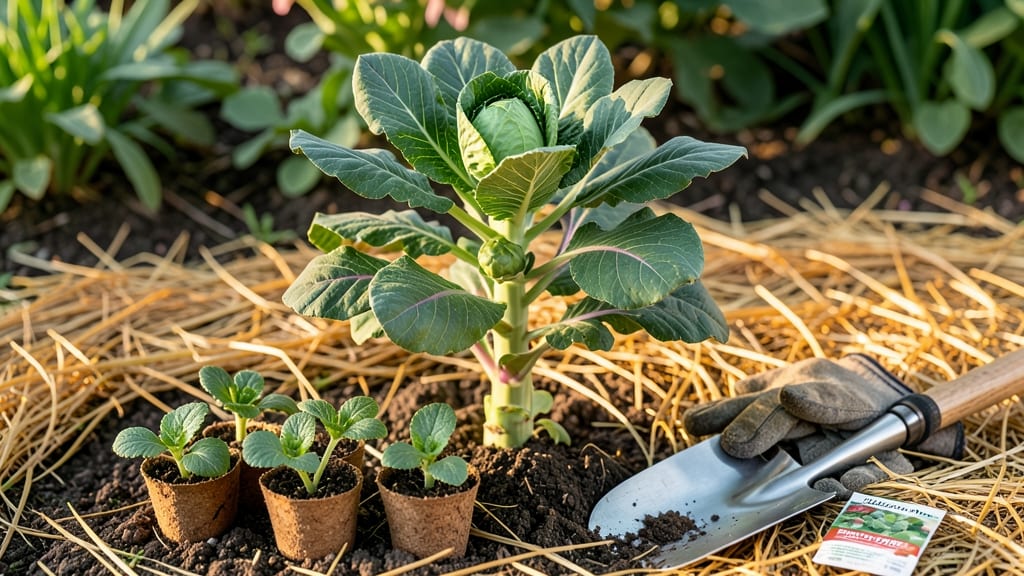
Timing your Brussel sprouts planting in Oregon isn’t just about following a calendar—it’s about outsmarting the region’s unpredictable frost dates and microclimates. Whether you’re in Portland’s 7b zone or Medford’s 9a, planting too early risks frost damage, while waiting too long can mean bitter harvests or stunted growth.
Oregon’s cool, coastal-influenced climate makes spring and fall the sweet spots for 🥦—but the exact window shifts dramatically depending on elevation. Inland areas like Bend may have earlier last frosts than coastal cities, while the Willamette Valley’s damp air demands extra caution.
Get this wrong, and you’ll end up with plants that bolt, rot, or never produce those prized little cabbages.
Here’s the game-changer: a precise planting schedule tailored to your local frost dates, soil temperature thresholds (45°F+), and even whether you’re sowing seeds or transplants.
I’ll break down the ideal spring (March–May) and fall (July–August) windows by zone, plus pro tips to extend your growing season—because in Oregon, harvesting from October to December is all about strategy.
Ready to turn your garden into a Brussel sprout powerhouse? Let’s dive into the exact dates, soil prep secrets, and microclimate hacks that’ll have you reaping flavorful crops all season long—no guesswork required.
Oregon’s frost-free planting windows for Brussel sprouts by elevation Zone
Oregon’s diverse climate—from coastal mist to high-desert heat—means Brussel sprouts thrive in different regions if planted at the right time. The key is aligning your last frost dates with soil temperatures above 45°F, which is critical for germination.
In USDA zones 7b-9a, timing varies dramatically between Portland’s mild winters and Bend’s chilly high desert.
For spring planting, aim for mid-March to early May in lowland areas like Medford (Zone 9a), while high-elevation zones (Zone 7b) like Bend should wait until late April.
Fall planting works best from late July to early August, giving sprouts time to mature before winter frosts. The goal? A 90-day growing season before harvest.
Here’s how to match your elevation to the perfect planting window:
| Region | USDA Zone | Spring Planting Window | Fall Planting Window | Last Frost Date | Notes |
|---|---|---|---|---|---|
| Portland & Willamette Valley | 7b-8a | Mid-March to early April | Late July to early August | April 15 | Cooler nights; extend season with row covers. |
| Medford & Southern Oregon | 9a | Mid-February to March | Late June to July | March 15 | Warmer microclimates; plant early for fall harvests. |
| Bend & High Desert | 6b-7a | Late April to May | Late July to early August | May 10 | Soil warms slower; use black plastic mulch. |
| Coastal (e.g., Astoria) | 8b-9a | Early March to April | Late July to August | April 1 | Humidity risks fungal diseases; improve drainage. |
Soil temperature is just as critical as frost dates. Use a soil thermometer to confirm 45°F+ before planting—cold soil delays germination. In Zone 7b (Portland), wait until soil hits 50°F for reliable sprouting.
For direct sowing, Oregon’s longer daylight hours in summer speed up growth, making fall planting a smart choice.
Elevation also affects harvest timing. In Medford (Zone 9a), you can harvest as early as late September, while Bend’s high-desert plants may not be ready until November.
Always aim to harvest before the first hard frost, which can turn sprouts bitter or mushy. Use row covers to push harvests into early winter if needed.
Pro tip: Start seeds indoors 8-10 weeks before your last frost date for an earlier harvest. Varieties like ‘Long Island Improved’ mature faster (85 days) and handle Oregon’s cool nights better than slower varieties. Pair this with well-draining soil (pH 6.0-7.0) and full sun to maximize yields.
If you’re in Zone 8a or warmer, consider succession planting every 2-3 weeks in spring for continuous harvests. For Zone 7b and cooler, focus on fall planting to avoid summer bolting. Always monitor local weather forecasts—Oregon’s unpredictable spring rains can delay planting by weeks.
🌱
Oregon’s frost-free planting windows for Brussel sprouts by elevation Zone
Oregon’s diverse microclimates mean your Brussel sprout planting schedule should match your elevation zone. Coastal areas like Astoria (Zone 8a) have later frosts than inland Bend (Zone 5b), while the Willamette Valley (Zone 7b-8a) sits in between.
The key is planting when soil temps hit 45°F+ and frost risk drops below 10%.
For spring planting, aim for mid-March to early May—but adjust based on your last frost date. In Portland (Zone 7b), that’s typically April 15, while Medford (Zone 9a) can start as early as March 15.
Fall planting runs late July to early August, giving sprouts time to mature before first frost (usually October–November).
🌱 Soil temperature is non-negotiable: Brussel sprouts won’t germinate below 45°F. Use a soil thermometer to confirm—especially in high-desert areas like La Grande (Zone 6a), where nights stay chilly longer. Pro tip: Black plastic mulch warms soil 5–10°F faster than bare earth.
If you’re starting seeds indoors, begin 8–10 weeks before your last frost date.
For direct sowing, wait until soil is 50°F+—use a seedling heat mat if needed in cooler zones. Transplants thrive when soil is 60°F+, so time them to hit the ground 4–6 weeks before your ideal planting window.
For fall harvests, prioritize cold-hardy varieties like ‘Long Island Improved’ or ‘Ruby’, which tolerate light frosts (28°F) without bolting. In Zone 7b+, you can even overwinter plants with row covers for a January harvest—just protect them from hard freezes.
Pro move: Check local frost data from Oregon State University’s AgWeather or Almanac tools. A 3–5°F dip can ruin tender sprouts, so plan ahead—especially in transition zones like Eugene (Zone 8a), where frosts sneak in unpredictably. 🌿