
Plants
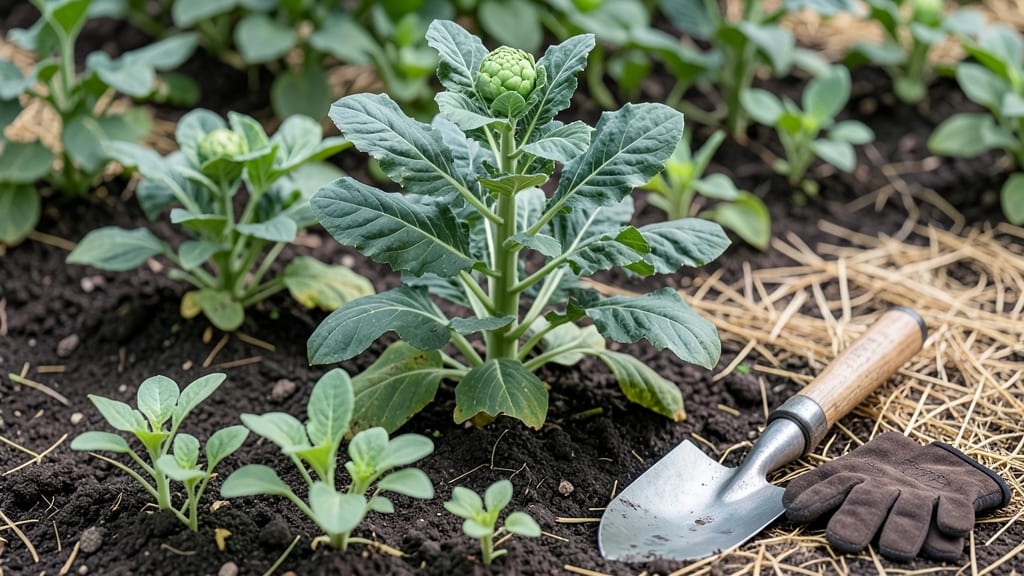
Timing your Brussel sprouts 🥦 planting in Oklahoma isn’t just about the calendar—it’s about beating the state’s sudden heat spikes and early frosts to unlock sweet, crisp harvests. Plant too soon, and you’ll battle bolting; too late, and your plants might not mature before winter.
The key lies in Oklahoma’s Zone 7’s short growing season, where precision matters more than anywhere else.
Most gardeners here swear by two planting windows: mid-March to mid-April for a late-winter harvest or late July to early August for fall. But with Oklahoma’s unpredictable weather, even these dates can shift.
I’ll break down exactly how to adjust based on your microclimate—plus the cold-hardy varieties that actually thrive despite our temperature swings.
What if you miss the window? Don’t panic. The right soil prep and transplanting tricks can salvage your crop.
I’ll share my top strategies for extending your Brussel sprouts’ 🥦 growing season, from mulching to row covers, so you’re harvesting flavorful sprouts from October through March—no matter what Mother Nature throws your way.
Ready to grow Brussel sprouts that outshine the grocery store’s? Let’s dive into the exact steps, from seed to harvest, tailored for Oklahoma’s climate. You’ll learn why fall planting often yields sweeter results and how to spot the perfect moment to pick your sprouts for peak flavor.
Optimal planting windows for Brussel sprouts in Oklahoma’s Zone 7 climate
Brussel sprouts thrive in Oklahoma’s cool-season climate, but timing is everything. Planting too early exposes seedlings to heat stress, while late planting risks stunted growth before the first frost.
The key is to align your schedule with Oklahoma’s average last frost date (March 15) and first frost date (November 1), while accounting for microclimates like elevated areas that freeze earlier.
Oklahoma’s Zone 7 climate offers two ideal planting windows: early spring (March-April) and late summer (July-August). Spring-planted sprouts mature by winter, while fall-planted varieties harvest before the ground freezes.
Both strategies work, but fall planting is often more reliable due to Oklahoma’s hot, unpredictable summers that can stress young plants.
Spring planting begins when soil temperatures reach 45°F (7°C)—typically mid-March in most of Oklahoma. For a 90-day harvest window, aim to plant by mid-April to ensure maturity before winter. Areas like Altus (Zone 7b) can plant slightly later, while Tulsa (Zone 7a) should start earlier to avoid summer heat.
Fall planting is trickier but rewarding. Start seeds 8-10 weeks before the first frost, which in Oklahoma’s Zone 7 usually means late July to early August. This gives sprouts time to establish roots before cooler weather sets in.
Use shade cloth during the hottest part of summer to protect seedlings from heat stress and wilting.
🌱 Brussel Sprout Planting Windows in Oklahoma
| Planting Window | Best Months | Days to Maturity | Key Considerations |
|---|---|---|---|
| Spring Planting | Mid-March to Mid-April | 90-120 days | Avoid heat stress; harvest Oct-Dec |
| Fall Planting | Late July to Early August | 80-90 days | Use shade cloth; harvest Nov-Jan |
| Transplanting | April or August | N/A | Hardy seedlings survive better; space 18" apart |
🌡️ Note: Adjust dates 1-2 weeks earlier for northern Oklahoma or later for southern regions.
For transplanting seedlings, Oklahoma gardeners should wait until soil temperatures stabilize—typically early April for spring or mid-August for fall. Seedlings from nurseries are often hardier and can handle Oklahoma’s temperature swings better than direct-sown seeds. Choose 6-week-old seedlings with 4-5 true leaves for the best transplant success.
Soil preparation is critical in Oklahoma’s clay-heavy soils. Amend beds with 2-3 inches of compost to improve drainage and add organic matter. Brussel sprouts prefer slightly acidic soil (pH 6.0-7.0), so test your soil and adjust with lime or sulfur if needed.
Oklahoma’s alkaline soils often need sulfur amendments to reach the ideal pH range.
Microclimates play a huge role in Oklahoma. Elevated areas like Oklahoma City’s hills may experience frost 2-3 weeks earlier than valleys. Use a frost calendar from your local OSU Extension office to fine-tune planting dates.
For example, Stillwater (Zone 7a) might plant 1 week later than Tahlequah (Zone 6b) to avoid early frosts.
If you miss the ideal windows, don’t despair—container gardening extends your options. Grow sprouts in 5-gallon pots and move them to shaded patios during heatwaves. This method works well in urban Oklahoma where space is limited, and you can control soil temperature more easily.
Remember: Brussel sprouts need consistent moisture but hate soggy roots. In Oklahoma’s dry summers, mulch heavily with straw or wood chips to retain moisture and keep roots cool. A 2-inch mulch layer can reduce watering needs by 30% while preventing weeds that compete for nutrients.
Optimal planting windows for Brussel sprouts in Oklahoma’s Zone 7 climate
Oklahoma’s Zone 7 climate demands precise timing for Brussel sprouts, which thrive in cool weather but wilt in summer’s 90°F+ heat. The key is planting during two distinct windows: early spring or late summer, both designed to avoid Oklahoma’s brutal mid-year temperatures.
For fall harvests, aim for late July to early August, while spring plantings should happen between mid-March and mid-April.
Timing is everything because Brussel sprouts need 80–120 frost-free days to mature. Oklahoma’s first frost typically arrives around November 1, so fall plantings must be early enough to harvest before cold sets in.
Spring plantings, meanwhile, should be 4–6 weeks before your last frost (usually March 15), ensuring they mature before summer heat arrives.
| Planting Window | Best Months | Key Considerations |
|---|---|---|
| Spring Planting | Mid-March to mid-April | Plant 4–6 weeks before last frost; harvest in February–March of next year. |
| Fall Planting | Late July to early August | Avoid summer heat; harvest before first frost (October–December). |
Adjust for microclimates—higher elevations (like Oklahoma City) may have earlier frosts than southern areas (like Tulsa). Check your local USDA Plant Hardiness Zone (Zone 6b–7a) and monitor Oklahoma Mesonet forecasts for heat waves or early cold snaps.
If your area experiences unusually hot springs, opt for shade cloth or delay planting until late April.
Soil temperature is another critical factor. Brussel sprouts germinate best in soil that’s 45–85°F. Use a soil thermometer to confirm—if temperatures exceed 85°F, wait until late summer for fall plantings.
Amend your soil with compost to improve drainage, as Oklahoma’s clay-heavy soils can lead to root rot if waterlogged.
For container gardening, plant in 5-gallon pots and use self-watering systems to maintain moisture. Containers warm up faster, so monitor soil temperature closely and consider black plastic mulch to retain heat in spring or straw mulch to cool roots in summer.
This extra care can extend your growing season by 2–3 weeks.
Finally, transplant seedlings (not direct-sow) for faster establishment. Purchase 6-week-old starts from local nurseries in early spring or late summer. Harden them off for 7–10 days before planting to reduce transplant shock—a must in Oklahoma’s dry, windy conditions.
With the right timing, you’ll enjoy crisp, sweet Brussels sprouts straight from your garden! 🥦