
Plants
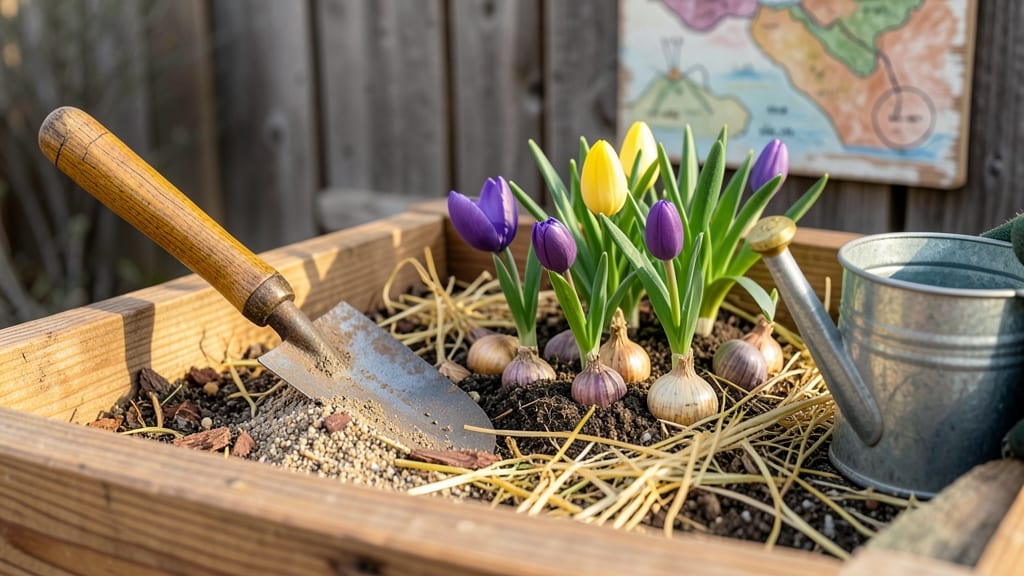
Timing your bulbs (General) 🌱 planting in Arizona isn’t just about following a calendar—it’s about outsmarting the desert’s heat and unpredictable rains. Plant too early, and your bulbs might bolt before blooming; too late, and they’ll struggle to establish roots before summer’s scorching return.
I’ve learned the hard way that Arizona’s 9b climate demands a different approach than cooler regions. The key? Planting in October-December or January-February—when soil temps are just right for root growth without the stress of extreme heat.
This isn’t just theory; it’s how I’ve kept my garden thriving for years.
Whether you’re dreaming of spring daffodils or fall-blooming agave, this guide cuts through the guesswork. You’ll discover the exact months to plant, how to prep soil for desert conditions, and which bulbs handle Arizona’s extremes like champions. No more wasted bulbs—just vibrant blooms that defy the desert.
Let’s dive into the desert-smart schedule that’ll have your garden looking lush year after year, no matter how hot it gets. Ready to plant with confidence?
Arizona bulb planting calendar: month-by-month desert timing guide
Arizona’s unique microclimates mean low desert (Phoenix, Tucson) and high desert (Flagstaff, Prescott) have different planting windows. Most bulbs thrive when planted in fall or winter to avoid summer heat stress.
The key? Plant when soil temps drop below 80°F—typically October through December for low desert and September through November for cooler high desert areas.
For spring-blooming bulbs like tulips and daffodils, aim for October-November planting. Winter-blooming varieties (e.g., paperwhites) can go in January-February. Summer bulbs like rain lilies need late winter planting to escape the worst heat. Always check your USDA Zone—Arizona spans Zones 6-10, so adjust timing accordingly.
🌱 Arizona Bulb Planting Timeline
| Month | Low Desert (Zones 9-10) | High Desert (Zones 6-8) | Bulb Types |
|---|---|---|---|
| September | Prep soil only | Plant fall bulbs (daffodils, crocus) | Spring bloomers |
| October | Plant spring bulbs (tulips, hyacinths) | Plant spring bulbs (tulips, alliums) | Tulips, daffodils, hyacinths |
| November | Last chance for spring bulbs | Plant winter bulbs (paperwhites) | Crocus, snowdrops |
| December | Mulch planted bulbs | Mulch heavily | All planted bulbs |
| January | Plant summer bulbs (rain lilies) | Plant summer bulbs (galtonia) | Rain lilies, nerine |
| February | Water lightly | Water lightly | Established bulbs |
Avoid planting in summer months—the 100°F+ soil will cook bulbs before they sprout. Instead, use container gardening for summer bulbs like amaryllis, which thrive indoors before transplanting outdoors in fall. Pro tip: Test soil temperature with a soil thermometer—ideal planting temps are 60-70°F.
In low desert areas, where winters are mild, spring bulbs can be planted as late as December.
But in high desert, where frosts linger, plant by late October to give roots time to establish before cold snaps. Mulch with 2-3 inches of straw or bark after planting to insulate bulbs and retain moisture during Arizona’s dry winters.
For container-grown bulbs, adjust timing by 2-4 weeks earlier—containers heat up faster than soil. Use well-draining potting mix with perlite or sand to mimic Arizona’s fast-draining native soils. Place containers in partial shade during peak summer heat to prevent root rot.
Don’t forget bloom time adjustments! In Arizona, spring bulbs often bloom 4-6 weeks earlier than in cooler climates. Daffodils may flower in February instead of April, while tulips might bloom by March.
Plan your garden layout to enjoy sequential blooms—plant early bloomers (crocus) alongside late bloomers (tulips) for extended color.
If you miss the fall planting window, some heat-tolerant bulbs like agapanthus or crinum lilies can handle spring planting. These tropical bulbs thrive in Arizona’s Zone 9-10 heat once established. Just
How to avoid bolt risk: soil temperature triggers for Arizona bulbs
Arizona’s extreme heat can trick bulbs into premature bolting—where they shoot up flower stems too early, often before they’re ready. This happens when soil temps climb above 70°F during dormancy, confusing bulbs into thinking spring has arrived.
The key? Plant when soil temps are steady between 60-70°F and use mulching hacks to regulate heat.
Most traditional bulbs like tulips and daffodils need cooler soil to establish roots before blooming. In Arizona’s low desert (Zones 9-10), this means planting in late fall (November-December) when daytime temps drop below 80°F. In high desert (Zones 6-7), you can plant as early as October.
Planting bulbs when soil temps exceed 75°F triggers premature bolting and weakens root systems. Use a soil thermometer to check temps before planting—aim for 60-70°F for most varieties.
Avoid summer planting entirely; even heat-tolerant bulbs like Nerine or Galtonia struggle when soil stays above 80°F for weeks.
For bulbs planted in winter (January-February), monitor soil temps closely. If daytime highs creep above 75°F for more than 3 days, provide shade cloth (30-50%) to protect emerging shoots. Mulch with 3-4 inches of straw or wood chips to insulate soil and maintain steady temps.
Heat-tolerant bulbs like Crinum lilies and Alliums can handle slightly warmer soil (65-75°F), but they still need consistent moisture during root establishment. Water deeply once every 10-14 days after planting to encourage root growth before summer’s dry spell hits.
Pro tip: Plant spring-blooming bulbs like tulips in shaded beds (under deciduous trees) to delay soil warming. For fall-blooming bulbs (e.g., Crocus), plant in September when soil temps are still mild, giving them time to root before winter.
If you miss the ideal window, don’t panic! Some bulbs (like daffodils) can be planted in early winter (January) and still bloom, though they may need extra care. Always prioritize soil temp over calendar dates—your bulbs will thank you with stronger blooms and fewer surprises.