
Plants
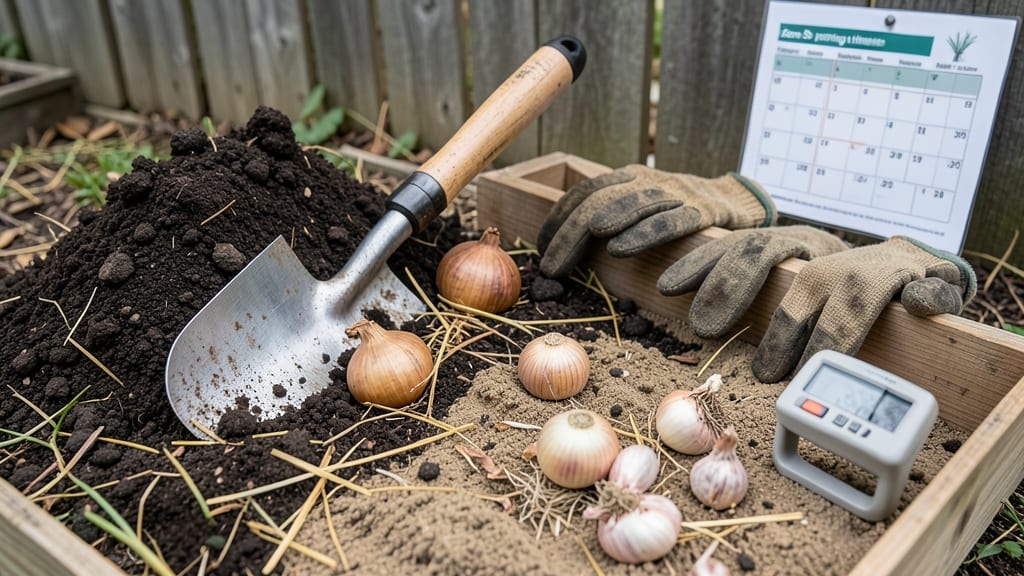
If you’ve ever wondered when to plant bulbs in Zone 5B, timing isn’t just about picking a month—it’s about reading your soil and climate like a pro.
Those 🌷 spring-blooming bulbs you’re dreaming of need a head start, and getting it wrong means frost or weak roots that’ll leave you with sad, sparse blooms next year.
The sweet spot in Zone 5B is September through November, but here’s the catch: you’re not just racing the calendar—you’re racing the ground temperature.
Bulbs need 6-8 weeks of cool soil before winter sets in, so planting too early can wake them up prematurely, while waiting too long risks shallow roots that freeze. I’ll show you how to nail this window every time, even if your fall weather plays tricks.
Let’s talk about the game-changer most gardeners miss: soil prep. Drainage, depth, and even mulching can mean the difference between a vibrant spring display and a flop.
Whether you’re planting tulips, daffodils, or alliums, these steps will ensure your bulbs stay cozy underground until Mother Nature gives the green light for their big debut.
Ready to skip the guesswork? I’ll walk you through the exact dates, adjustments for early/late frosts, and even what to do if you’re still digging in December. Your future spring garden will thank you—trust me, those blooms are worth the wait.

Optimal fall planting dates for zone 5B bulbs by type
In Zone 5B, the 6-week rule before your average first frost (typically mid-October) is your golden window for planting most bulbs. This ensures roots establish before winter dormancy.
But not all bulbs thrive on the same schedule—tulips and hyacinths need cooler soil, while daffodils and alliums are more forgiving.
Soil temperature is your best guide: Aim for 40–50°F at planting depth (6 inches). Use a soil thermometer to track progress—this is especially critical in Zone 5B’s unpredictable fall weather. Early September is ideal for late-blooming varieties, while October suits most standard bulbs.
| Bulb Type | Ideal Planting Window | Soil Temp Goal | Notes |
|---|---|---|---|
| Tulips | September 15–October 15 | 40–50°F | Plant early for best root growth; avoid late October. |
| Daffodils | October 1–November 10 | 45–55°F | Tolerates cooler soil; great for late plantings. |
| Hyacinths | September 1–October 1 | 40–45°F | Needs early planting; sensitive to frost. |
| Alliums | September 10–November 1 | 40–50°F | Versatile; handles wider temperature range. |
| Crocuses | September 1–October 15 | 45–50°F | Early bloomers; plant near lawn edges for quick color. |
For Zone 5B’s shorter growing season, prioritize early September plantings for bulbs like tulips and hyacinths, which need 6–8 weeks of root growth before frost. If you miss the window, don’t panic—daffodils and alliums can handle late October plantings, though they may bloom slightly later.
Pro tip: Check your local microclimate. South-facing slopes warm faster, while low-lying areas stay cooler. Use this to your advantage—plant heat-sensitive bulbs on warmer spots and hardier varieties in cooler areas. A 5°F difference can shift your planting window by 2–3 weeks.
Depth matters too. Plant bulbs at 3x their width (e.g., a 2-inch-wide tulip bulb goes 6 inches deep). Deeper planting protects against freeze-thaw heaving and rodent damage. Mark your planting spots with stakes or flags to avoid digging into established bulbs next spring.
Don’t forget to amend the soil before planting. Mix in compost or aged manure to improve drainage—waterlogged soil is a silent killer for bulbs. In Zone 5B’s heavy clay soils, consider adding sand or perlite to prevent rot during winter thaw.
If you’re planting in containers, use a fast-draining mix with perlite or vermiculite. Place pots in a protected location (like a garage or cold frame) if early frosts threaten. Water containers sparingly once planted—overwatering can suffocate bulbs before they root.
Finally, mulch after planting with 2–3 inches of straw or leaves to insulate bulbs and retain moisture. Remove mulch in early spring once shoots emerge to prevent rot from excess moisture. This simple step can mean the difference between vibrant blooms and missed flowers.
Timing your Zone 5B bulb plantings isn’t just about dates—it’s about reading your soil, knowing your bulbs, and working with your local climate. With these guidelines, you’ll be well on your way to a showstopping spring display every year. 🌷
Optimal fall planting dates for zone 5B bulbs by type
In Zone 5B, the 6-week rule is your golden ticket: plant bulbs 6-8 weeks before the ground freezes (usually by mid-November). This gives roots time to establish before winter sets in.
For most spring-blooming bulbs, this translates to September through October, but the exact timing depends on the bulb type and your local frost date.
Tulips, for example, thrive when planted in early to mid-October, while daffodils—being more cold-hardy—can wait until late October or even early November. Hyacinths and alliums fall somewhere in between, ideally planted in October to balance root growth and frost protection.
Here’s the soil temperature secret: bulbs need 40–50°F soil to root without waking up too early. Use a soil thermometer to check—if it’s above 60°F, wait a few weeks. In Zone 5B, this usually aligns with late September to early October for most bulbs.
🌱 Zone 5B Bulb Planting Timeline
| Bulb Type | Ideal Planting Month | Soil Temp Goal | Depth | Spacing |
|---|---|---|---|---|
| Tulips | Early to mid-October | 45–50°F | 6–8 inches | 4–6 inches apart |
| Daffodils | Late October–early November | 40–45°F | 6 inches | 3–6 inches apart |
| Hyacinths | October | 45–50°F | 6 inches | 4–5 inches apart |
| Alliums | September–October | 50–55°F | 6 inches | 6–8 inches apart |
🌿 Pro Tip: Adjust for early frosts by planting 2–3 weeks earlier in colder microclimates.
If you’re still unsure about your local frost date, check your USDA Plant Hardiness Zone Map or ask your local Cooperative Extension Service.
They’ll provide hyper-local advice tailored to your specific area within Zone 5B. For example, areas near lakes or rivers may have later frost dates than inland spots.
Don’t forget: well-draining soil is non-negotiable. Amend heavy clay with compost or sand to prevent rot, especially for bulbs like tulips that hate soggy conditions. A quick soil test in early fall will tell you if you need to adjust your bed before planting.
Once planted, mulch with 2–3 inches of straw or leaves to insulate bulbs from freeze-thaw cycles. This extra layer can mean the difference between bold blooms and weak sprouts next spring.