
Plants
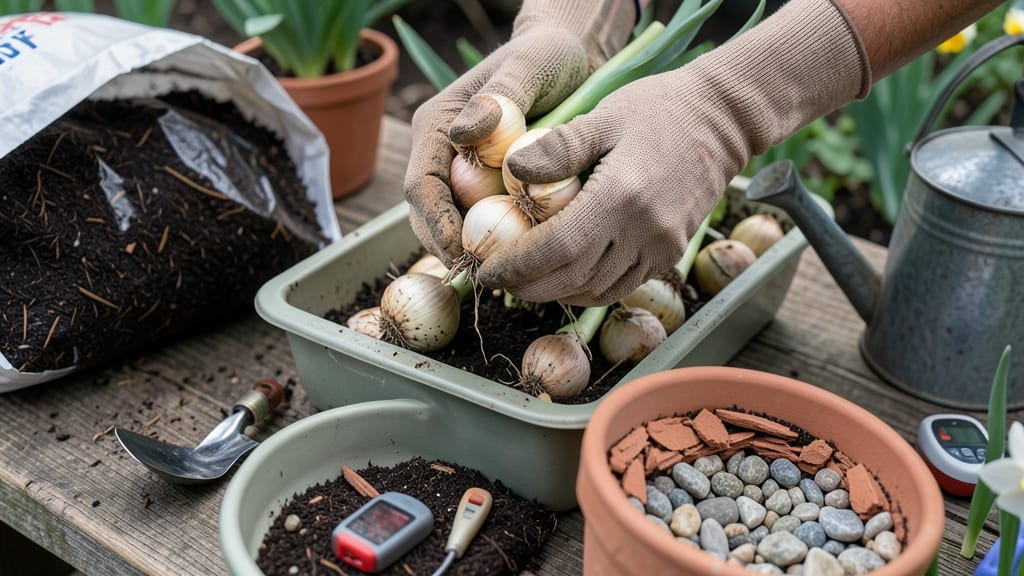
Timing matters more than you think when it comes to planting bulbs in pots—get it wrong, and you might end up with frost-damaged roots or weak blooms. The key is understanding your local climate and following a proven seasonal schedule that works for USDA Zone 6a and beyond.
Most gardeners know fall is ideal for planting, but did you know early spring also works if you live in milder areas? I’ll break down the exact 6-8 week window before your first frost, plus how to adjust for different bulb varieties like tulips or daffodils.
Whether you’re a beginner or a seasoned gardener, this guide will help you avoid common mistakes—like planting too early in warm climates or skipping critical care steps after planting. You’ll learn how to protect your potted bulbs from frost and ensure vibrant blooms year after year.
Ready to transform your balcony or patio into a springtime paradise? Let’s dive into the perfect planting timeline so you can enjoy those first colorful blooms without the guesswork.
Best months to plant bulbs in pots by climate Zone
Timing is everything when planting bulbs in pots—especially since containers can’t regulate soil temperatures like garden beds. In most USDA zones 3-7, aim to plant 6-8 weeks before your first frost date for fall blooms next spring.
For zones 8-10, where winters are mild, early fall or even late winter planting works, but avoid extreme heat or drought stress.
Fall planting is ideal because it lets bulbs establish roots before winter dormancy. In warmer climates, you can also plant in late winter or early spring (after the last frost) for summer-flowering varieties like dahlias or cannas.
Just check your local frost dates—most garden centers list them by ZIP code.
Here’s a quick guide to align your planting with your zone. Remember, pots dry out faster than garden soil, so adjust watering to prevent early sprouting in warm weather.
| USDA Zone | Fall Planting Window | Spring Planting Window | Best Bulb Varieties | Key Tip |
|---|---|---|---|---|
| Zones 3-5 | September–October | March–April (after frost) | Tulips, Daffodils, Hyacinths, Crocus | Use well-draining pots to prevent rot in cold soil. |
| Zones 6-7 | October–November | February–March | Alliums, Snowdrops, Muscari, Fritillaria | Mulch pots with straw or leaves for winter protection. |
| Zones 8-10 | November–January | January–February | Dahlias, Begonias, Gladiolus, Lilies | Avoid planting in summer heat—opt for cooler months. |
If you’re in a transition zone (e.g., Zone 7b), split the difference—plant in late September for fall blooms or early March for spring blooms. For example, tulips planted in Zone 7 in October will bloom in April, while those planted in March may bloom slightly later but still thrive.
Pro tip: Use a soil thermometer to check if soil temps are below 60°F (15°C)—this signals it’s safe to plant. In pots, soil cools faster than garden beds, so monitor closely, especially in early fall or late winter.
For winter-hardy bulbs like snowdrops or crocus, you can even plant as late as December in mild zones, but they’ll need extra mulch to insulate roots. Just avoid planting when temps drop below 40°F (4°C)—bulbs can suffer cold shock.
One common mistake? Planting too early in warm climates. Bulbs like tulips may sprout prematurely in pots, only to get fried by summer heat. If you’re in Zone 9-10, wait until late winter (February) to avoid this.
Finally, don’t forget that container size matters. A single daffodil bulb needs at least a 6-inch pot, while larger bulbs (like lilies) require 12+ inches. Crowded pots lead to weak blooms or no flowers at all.
Now that you’ve got your timing locked in, your next move is to prep those pots—drainage holes are non-negotiable, and a mix of potting soil + perlite keeps roots happy. Happy planting! 🌱
Best months to plant bulbs in pots by climate Zone
Timing is everything when planting bulbs in pots. Unlike in-ground planting, containers can’t regulate temperature as well, making frost a bigger threat. Most spring-flowering bulbs (like tulips and daffodils) need 6-8 weeks of cold dormancy before blooming.
That means planting them in fall—but the exact month depends on your USDA zone.
For example, gardeners in USDA Zone 3-5 (cold climates) should plant bulbs by mid-October to ensure they get enough cold before winter. In Zone 6-8 (milder winters), aim for November.
Meanwhile, Zone 9-10 (warm climates) can plant as late as December or even early January, since frost arrives later.
🌱
🌱 Planting Timeline by USDA Zone
| Zone | Fall Planting Window | Spring Planting Window | Notes |
|---|---|---|---|
| 3-5 | Mid-September to mid-October | After last frost (late April) | Long cold season; mulch heavily. |
| 6-8 | October to early November | Early April | Moderate winters; avoid late planting. |
| 9-10 | December to January | February (if no frost risk) | Short dormancy; use chilling method. |
💡 Pro Tip: Check your last frost date (average is October 31 in Zone 6a). Count backward 6-8 weeks to set your planting deadline.
If you miss the fall window, don’t panic—you can plant bulbs in pots in early spring, too. Just use chilled bulbs (pre-cooled in the fridge for 6-8 weeks) to mimic dormancy. This works best for tulips and hyacinths, which respond well to forced blooming.
For summer-flowering bulbs (like dahlias or cannas), the timing shifts. Plant these in spring, after the last frost, since they don’t need cold dormancy. They thrive in warm soil (60°F+) and bloom from June to October.
🌿