
Planting
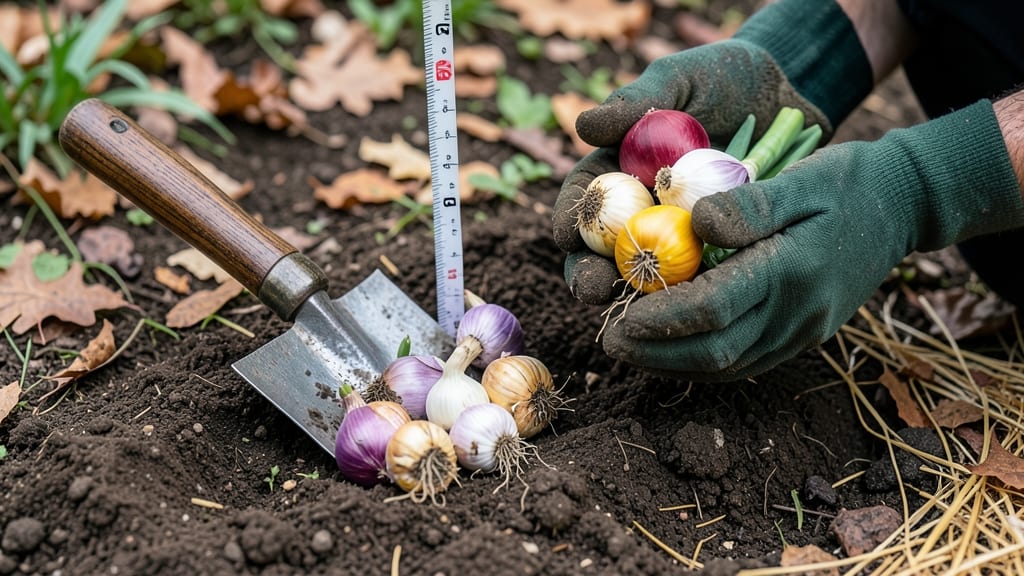
Timing your bulbs (General) 🌱 planting just right is the secret to a garden bursting with color—miss the window, and you might be staring at bare soil for another year.
Whether you're in USDA Zone 6a or beyond, knowing when to tuck those dormant treasures into the earth makes all the difference between a spectacular spring show and a disappointing wait.
Most gardeners swear by fall planting—4-6 weeks before frost—to give bulbs time to root before winter’s chill sets in. But what if you’re in a warmer climate or missed that window?
Spring planting still works, as long as you time it right after the last frost. The key is understanding how your local climate and USDA Zone play into the equation.
In this guide, I’ll break down the exact months to plant bulbs (General) 🌱 by zone, debunk common myths (like “planting early is always better”), and share pro tips for soil prep and adjustments.
By the end, you’ll know exactly when to dig in for blooms that’ll make your neighbors green with envy.
Ready to transform your garden? Let’s get those bulbs in the ground at the perfect moment—no more guesswork, just gorgeous results.
Best months to plant garden bulbs by USDA Zone
Planting bulbs at the right time ensures they establish strong roots before winter dormancy or spring growth. Most bulbs thrive when planted in fall for spring blooms or spring for summer blooms, but exact timing depends on your USDA zone.
Let’s break it down by region so you can align your planting schedule with local frost dates and soil conditions.
For fall planting (ideal for tulips, daffodils, hyacinths, and crocuses), aim for 4-6 weeks before the first hard frost. This gives bulbs time to root before the ground freezes.
In spring planting (great for summer-flowering bulbs like dahlias or gladiolas), wait until after the last frost date when soil temperatures reach 60°F (15°C).
🌱
In cooler northern zones (3-5), like the Pacific Northwest or Midwest, prioritize early fall planting to avoid winter freeze. For example, in Zone 5, plant by October 15 to ensure roots establish before snowfall.
Meanwhile, warmer southern zones (8-11), such as Florida or Southern California, can plant later—even into December or January—since frost is rare.
Regional quirks matter too. In the Pacific Northwest, where winters are wet, plant bulbs in well-draining soil to prevent rot. In the Deep South, summer heat can stress bulbs, so opt for spring planting or shade-tolerant varieties like rain lilies.
Pro tip: Use a soil thermometer to confirm temps. Most bulbs need soil between 50-65°F (10-18°C) for root growth. If soil is too warm, roots may sprout prematurely and die in cold snaps.
For container gardening, adjust timing slightly—plant 2-4 weeks later than in-ground bulbs since pots warm up faster. Use a lightweight potting mix to prevent compaction around roots.
🌿
Remember, bulb types matter. Spring-flowering bulbs (tulips, daffodils) need cold dormancy and must be planted in fall. Summer-flowering bulbs (dahlias, cannas) thrive with spring planting and can handle warmer soil. Always check the bulb packaging for specific guidance.
How to adjust planting times for early or late blooms
Want to control when your tulips or daffodils bloom? Adjusting planting times lets you force early spring color or delay blooms for summer displays. The trick lies in understanding how bulbs respond to temperature shifts and light exposure.
For example, hyacinths planted in late summer will often bloom earlier in spring than those planted in fall.
If you missed the fall window, don’t panic—spring planting still works for many bulbs like crocuses and alliums. Just plant them as soon as the soil is workable (usually 4-6 weeks before last frost).
For summer-blooming bulbs like dahlias, wait until after your last frost date to avoid frost damage.
Forcing bulbs indoors is another way to get early blooms. Place paperwhite narcissus or tulip bulbs in a shallow container with pebbles, then cover with water.
Keep them in a cool, dark place for 4-6 weeks before moving to bright light. You’ll see blooms in just 3-4 weeks—perfect for holiday tablescapes!
Bulbs like tulips and daffodils planted in August-September often sprout roots faster, leading to 2-3 weeks earlier blooms than fall plantings.
Lay mulch over planted bulbs in early fall to raise soil temps by 5-10°F, encouraging faster root growth before winter.
Bulbs like gladiolas or calla lilies planted in late spring (May-June) will bloom in late summer when many spring flowers fade.
For indoor forcing, pre-chill bulbs in the fridge for 8-12 weeks before placing in water to mimic winter dormancy.
For USDA Zones 8-11, where winters are mild, fall planting can be extended into November. Just ensure soil temps stay above 50°F for root establishment. In cooler zones (3-6), prioritize planting 6 weeks before first frost—even if that means rushing in October.
Pro tip: Mark your calendar with local frost dates and adjust planting by 2-3 weeks earlier if you want blooms before Memorial Day. For example, April 1st plantings in Zone 6a often yield May blooms, while March plantings may bloom in late April.
Experiment with timing to find what works best in your garden. With a little patience, you’ll master the art of seasonal bloom control—giving you color from spring through summer without waiting a full year! 🌷