
Plants
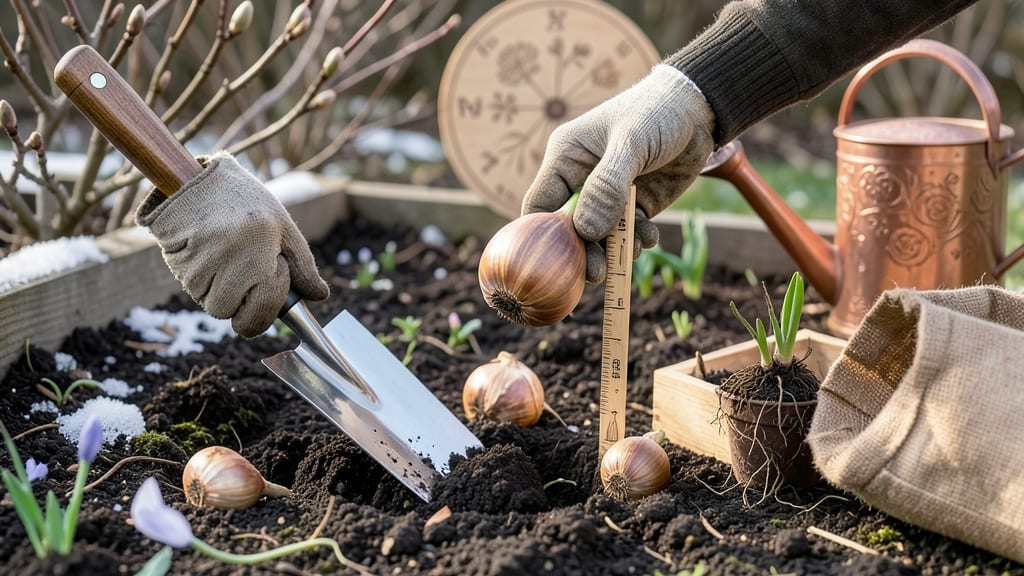
Timing your spring bulb planting just right can transform your garden from a sleepy brown patch to a vibrant explosion of color—but get it wrong, and you might as well flush your money down the drain. 🌷 Most gardeners wait too long, missing the 4-6 week window before the last frost when bulbs like tulips and daffodils need to establish roots.
Here's the kicker: your hardiness zone matters more than the calendar. In Zone 6a, where I garden, that means planting between late February and early April—but in warmer climates, you might start as early as January.
The key isn't just when you plant, but whether your soil is cool enough (ideally 40-50°F) to prevent premature sprouting.
I've learned the hard way that rushing or delaying can leave you with weak stems or no blooms at all. This guide will walk you through the exact chill-hour requirements for popular bulbs and how to adjust for unpredictable weather.
Let's get those 🌷 beauties in the ground at the perfect moment.
Whether you're a first-time gardener or a seasoned pro, knowing these timing secrets will help you avoid common mistakes like planting too shallow or ignoring frost dates. Ready to turn your yard into a springtime paradise? Let's dive into the science—and schedule—that makes all the difference.
Spring bulb planting timeline by chill-hour requirements
Planting spring bulbs at the right time ensures vibrant blooms and strong roots—but timing isn’t one-size-fits-all. Most gardeners focus on frost dates, but chill-hour requirements (cold exposure needed to trigger blooming) are the real game-changer.
For example, tulips need 12-16 weeks below 40°F, while daffodils thrive with just 8-12 weeks. Your hardiness zone and local climate dictate the perfect window.
If you’re in USDA Zone 5-7, aim to plant most spring bulbs 6-8 weeks before your last frost date. In Zone 8-10, cooler winters may require planting as early as October or November to meet chill-hour needs.
The key is balancing soil temperature (40-50°F) and frost risk—plant too early, and bulbs may rot; too late, and they won’t bloom.
Here’s how to decode chill-hour needs for your favorite bulbs and align them with your local planting calendar:
For Zone 6a (like my garden), I plant tulips and hyacinths in October-November to ensure they get enough cold exposure. In Zone 8-10, where winters are milder, I shift to February-March planting and use forced dormancy tricks (like refrigerating bulbs) to mimic winter conditions.
Always check your local last frost date—planting too late can leave bulbs vulnerable to rot before they bloom.
Pro tip: Use a soil thermometer to confirm soil temps are 40-50°F before planting. If your soil is too warm (above 55°F), bulbs may sprout prematurely and die in a late frost.
In my experience, daffodils are the most forgiving—they’ll often bloom even if planted slightly late, while tulips demand precision.
Don’t overlook bulb size when timing your plantings. Larger bulbs (like 12-inch tulips) need 2-3 weeks longer to establish roots compared to smaller varieties. I always plant my giant daffodils first, followed by tulips, and finally crocuses for a staggered spring display.
If you’re in a transition zone (like Zone 7b), split your planting into two batches: plant 50% in October-November and the rest in February-March. This hedges your bets against unpredictable weather. For example, my
How to adjust planting time for late or early springs
Unpredictable weather can throw off even the most careful planting schedule. If your spring arrives early—like last year when my tulips sprouted in January—or late with a sudden frost, don't panic. The key is adjusting your approach based on soil temperature and bulb dormancy needs.
Most bulbs need 40-50°F soil to root without sprouting too soon, but some varieties handle exceptions better than others.
For late springs, test your soil with a thermometer before planting. If temperatures hover above 50°F for more than a week, delay planting or use shade cloth to keep bulbs cool.
I once planted daffodils in early April when the soil was already warming, and they bolted upward—only to get fried by a late frost. Lesson learned: patience pays off.
Here’s a quick fix: if you miss the ideal window, try forced dormancy. Store bulbs in a cool, dark place (like your fridge’s crisper drawer) until soil temperatures drop.
This tricks them into thinking winter hasn’t ended yet. Just don’t refrigerate for more than 6-8 weeks, or they’ll lose viability.
🌱 For early springs, focus on shade and mulch. Plant bulbs in spots that stay cooler longer, like under deciduous trees or near north-facing walls. A thick layer of straw mulch (3-4 inches) can delay soil warming by 2-3 weeks.
I’ve even buried bulbs in cool boxes (insulated containers filled with damp sand) to buy time in warm climates.
⚠️ Warning: Common Mistakes to Avoid
- Planting too early in warm soil causes bulbs to sprout and rot before roots establish.
- Ignoring frost dates—even if shoots emerge, a hard frost will kill tender stems.
- Overwatering after planting leads to soggy soil, which suffocates bulbs.
- Skipping soil tests—pH below 6.0 or above 7.0 stunts growth.
"I once lost an entire batch of hyacinths because I planted them in 60°F soil—they shot up like weeds, then wilted when frost hit. Don’t make my mistake!"
If all else fails, consider container gardening. Pots let you move bulbs to sheltered spots or even indoors during cold snaps. Just ensure containers have drainage holes—root rot is the silent killer of bulbs in tight spaces.
I’ve had great luck with dahlias in black plastic pots buried halfway in the ground for extra insulation.
For gardeners in Zone 7b and warmer, where springs arrive early, opt for heat-tolerant bulbs like rain lilies or crinum lilies. These thrive in 60-70°F soil and bloom reliably even when traditional bulbs struggle. The trade-off? They may not look as classic, but they’re low-maintenance champions.
Remember: no two springs are alike. The "perfect" planting window is a guideline, not a rule. By monitoring soil temps, adjusting mulch, and choosing adaptable bulbs, you’ll turn even the trickiest weather into a blooming success. 🌿