
Plants
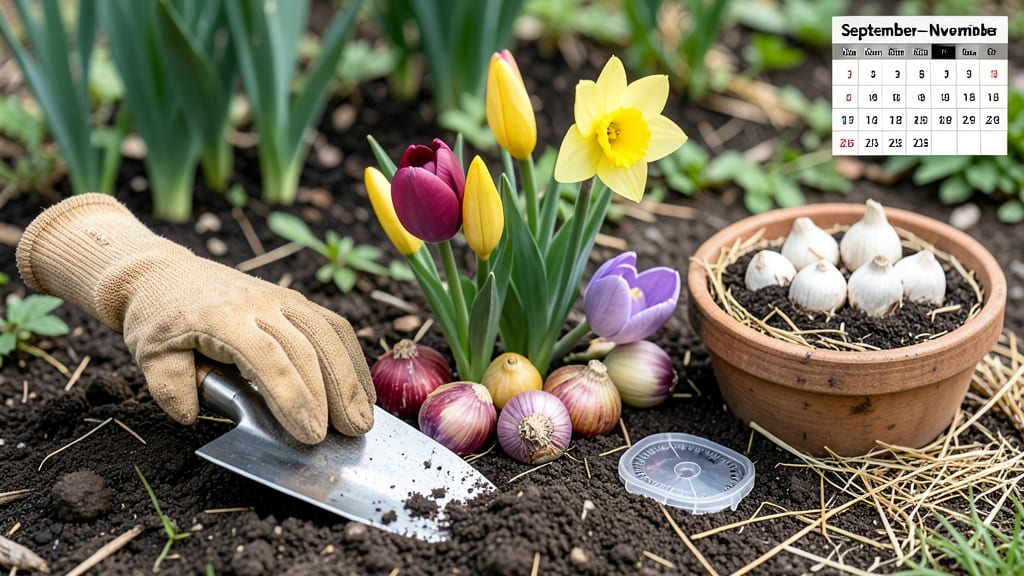
Knowing when to plant bulbs in Zone 8 can make or break your garden’s spring display—because timing isn’t just about the calendar, it’s about giving those 🌷 roots the perfect head start.
In Zone 8, where mild winters and warm springs create a unique growing window, planting bulbs in the wrong season can leave you with weak roots or no blooms at all.
Whether you’re dreaming of tulips or daffodils, the key is understanding how cooler fall temps trigger root growth before dormancy—while spring planting works for certain varieties but comes with risks.
Let’s break down the ideal planting windows for fall and spring in Zone 8, plus the soil conditions and bulb types that thrive (or struggle) in your climate. You’ll learn exactly when to dig in for vibrant blooms next year.
From soil temperature tips to avoiding common mistakes, I’ll walk you through everything you need to know—so you can skip the guesswork and enjoy a garden that pops with color.

Best fall planting times for Zone 8 bulbs and why it matters
In Zone 8, fall is the golden window for planting most bulbs, but timing is everything. The ideal window is 6-8 weeks before your first frost, which typically lands between mid-October and mid-November. This schedule lets bulbs establish roots in cool soil before winter dormancy kicks in.
Cooler fall temperatures trigger bulbs to focus on root growth rather than foliage, setting the stage for vibrant spring blooms. If you plant too early, roots may grow too fast and become vulnerable to rot. Too late, and they won’t have time to anchor before freezing temperatures arrive.
For Zone 8 gardeners, aim to plant by November 15 to avoid frost damage. Most bulbs need soil temps between 40-60°F for optimal root development. Use a soil thermometer to check conditions if you’re unsure.
Popular fall-planted bulbs like tulips, daffodils, and hyacinths thrive in this schedule. These varieties store energy underground during winter, then burst into color when spring arrives. The key is giving them enough time to root before the ground freezes.
Here’s a quick reference for Zone 8 bulb planting in fall:
| Bulb Type | Ideal Planting Window | Soil Temp | Depth | Notes |
|---|---|---|---|---|
| Tulips | October 15–November 15 | 40–60°F | 6–8 inches deep | Needs well-draining soil |
| Daffodils | October 1–November 15 | 45–55°F | 6–8 inches deep | Deer-resistant |
| Hyacinths | October 15–November 10 | 50–60°F | 6 inches deep | Fragrant blooms |
| Crocuses | September 15–October 15 | 40–50°F | 3–4 inches deep | Early spring blooms |
| Alliums | October 1–November 15 | 45–55°F | 6–8 inches deep | Drought-tolerant |
Pro tip: Amend your soil with compost or bone meal before planting to give bulbs a nutrient boost. This helps roots establish faster, especially in Zone 8’s heavier clay soils. Water thoroughly after planting to encourage root growth.
If you’re in a warmer microclimate within Zone 8 (like coastal areas), you might extend planting into early December. However, most gardeners in inland Zone 8 should wrap up by mid-November to avoid frost risks.
Remember, bulbs planted in fall will reward you with earlier and more abundant blooms next spring. The effort you put into timing now pays off in stunning color when winter fades away.
For bulbs like tulips, don’t forget to add a mulch layer (2–3 inches) after planting. This insulates the soil and protects roots from freezing temperatures during winter.
Best fall planting times for Zone 8 bulbs and why it matters
Fall is the golden window for planting most bulbs in Zone 8, where cooler temperatures and shorter days signal bulbs to focus on root development instead of foliage. Aim to plant 6-8 weeks before your first frost, typically between mid-October and mid-November in most Zone 8 regions.
This timing ensures roots establish before winter dormancy, setting the stage for vibrant spring blooms.
Cooler fall soil temperatures—ideally between 50°F and 60°F—are perfect for bulbs like tulips, daffodils, and hyacinths. These temps trigger natural dormancy cycles, allowing bulbs to store energy for next year’s growth.
Planting too early (like in September) can cause premature sprouting, while waiting too long risks shallow roots before frost.
🌱
| Bulb Type | Ideal Planting Window | Soil Temp | Zone 8 Notes |
|---|---|---|---|
| Tulips | October–November | 50–60°F | Plant deep (6"–8") for better frost resistance. |
| Daffodils | October–November | 50–60°F | Deer-resistant; great for borders. |
| Hyacinths | October–November | 50–60°F | Fragrant blooms; plant in clusters. |
| Crocuses | September–October | 40–50°F | Early bloomers; tolerate partial shade. |
| Alliums | October–November | 50–60°F | Drought-tolerant; great for pollinators. |
For Zone 8 gardeners, soil preparation is just as critical as timing. Amend your soil with compost or aged manure to improve drainage, and avoid heavy clay soils that can cause rot.
Plant bulbs 3 times as deep as their diameter—most need 6–8 inches of soil coverage—and space them 4–6 inches apart for optimal growth.
Mulching after planting helps insulate bulbs from temperature fluctuations and retains moisture. Use 2–3 inches of organic mulch (like straw or shredded leaves) to protect bulbs during winter. This step is especially important in Zone 8’s mild winters, where bulbs might experience freeze-thaw cycles that stress roots.
Remember, bulbs planted in fall will reward you with earlier and more abundant blooms next spring. The key is patience and preparation—let nature’s cooler temps do the work while you focus on soil health and proper spacing.
With the right timing, your Zone 8 garden can burst into color months before spring-planted bulbs even think about blooming.
🌷