
Plants
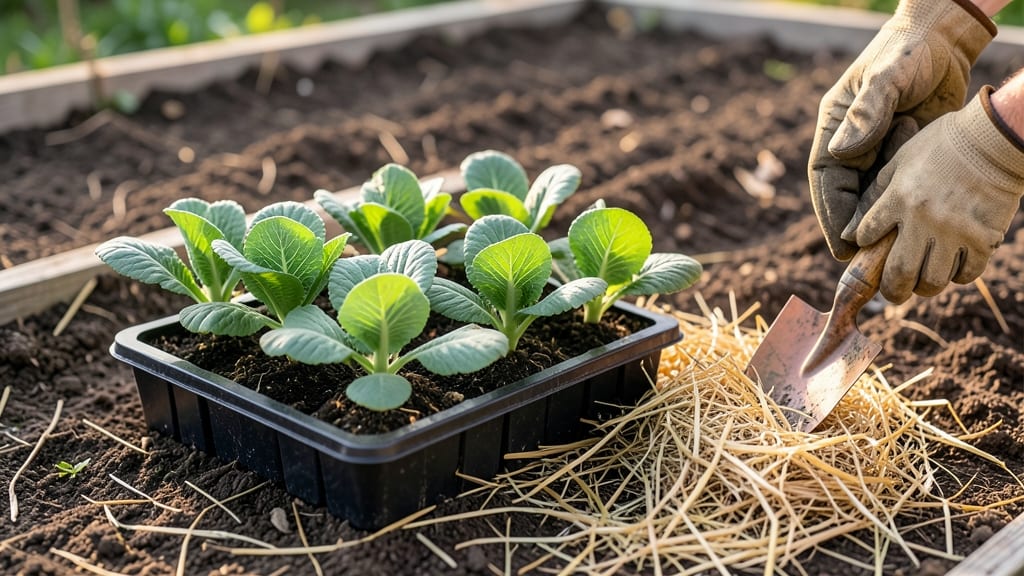
Timing your 🥬 cabbage planting in Maryland isn’t just about following a calendar—it’s about outsmarting the heat before your plants bolt and ruin your harvest. In USDA Zone 7b, those late-May heatwaves can turn your crisp heads into bitter, flowering stalks faster than you can say "gardening fail."
But here’s the good news: with the right planting window, you can grow cabbage that stays sweet and sturdy from spring until fall. I’ll show you exactly when to plant—whether you’re starting seeds indoors or sowing directly—plus how to adjust for Maryland’s unpredictable weather.
No more wasted effort, just flavorful, bolting-free cabbage all season.
Most gardeners focus only on spring planting, but fall cabbage can be just as rewarding (and easier to manage in the heat). We’ll cover both seasons, including how to stretch your growing window with simple tricks like shade cloth and succession planting.
Ready to turn your Maryland garden into a cabbage powerhouse?
The key to success? Planting at the perfect temperature thresholds—not too early (risking frost), not too late (risking bolting). Let’s dive into the exact dates and techniques that’ll keep your 🥬 thriving, no matter what Mother Nature throws your way.
Maryland cabbage planting calendar: exact dates to avoid bolting in Zone 7b
Timing is everything when growing cabbage in Maryland, where bolting (premature flowering) can ruin your harvest. The key is planting when soil temperatures stay below 75°F—Maryland’s Zone 7b climate demands precise scheduling to avoid summer heat stress.
Spring and fall are your two best windows, but local microclimates (like Baltimore’s urban heat vs. Western Maryland’s cooler valleys) can shift ideal dates by 1-2 weeks.
For spring cabbage, aim to plant 4-6 weeks before your last frost date—typically mid-March to early April in most of Maryland. This ensures heads mature before summer heat triggers bolting.
In Western Maryland (cooler), you might push planting to late April, while Eastern Maryland (warmer) may need to start as early as February in containers for a jumpstart.
Fall planting is trickier but rewarding. Start seeds 8-10 weeks before your first frost (usually mid-August to early September), with transplants going in by late August.
This gives plants enough time to bulk up before winter slows growth. Late September plantings risk bolting if temperatures spike unexpectedly—a common issue in Maryland’s Indian summer periods.
Here’s your Maryland cabbage planting timeline with critical temperature thresholds to prevent bolting:
Maryland’s variable spring temperatures make soil thermometers a game-changer. Plant when soil hits 45°F for spring or 55°F for fall—cold soil delays germination and reduces bolting risk.
In Baltimore’s urban heat islands, soil can be 10°F warmer than rural areas, so adjust planting dates 1 week earlier if you’re in the city.
Pro tip: Use floating row covers for spring plantings if temperatures spike above 80°F during the day. These create a 5-10°F cooler microclimate around plants, delaying bolting by 2-3 weeks. Just remove covers when heads start forming to prevent overheating.
For direct sowing (seeds), start 2-3 weeks earlier than transplant dates—seeds need 7-10 days to germinate in Maryland’s cool springs. If you’re transplanting, buy 6-week-old seedlings from local nurseries (like Johnny’s Selected Seeds) to ensure they’re bolting-resistant and hardened off.
Remember: Cabbage bolting isn’t just about heat—day length plays a role too. Maryland’s long summer days (14+ hours of light) can trigger flowering in sensitive varieties. That’s why heat-tolerant varieties (like ‘Cavalo’ or ‘Golden Acre’) are non-negotiable for summer plantings.
🌱
How to extend Maryland’s cabbage growing season without risking bolting
Maryland’s variable spring and fall temperatures can make cabbage growing a challenge—especially when you’re trying to avoid bolting. The key to success? Extending your growing window with smart techniques that keep your plants cool and happy.
I’ve tested these methods in my Zone 7b garden, and they’ve doubled my harvest time without a single bitter bolt!
First, let’s tackle succession planting. Instead of planting all your cabbage at once, stagger your seed sowing or transplant dates every 2-3 weeks. This ensures a continuous harvest and spreads out your risk.
For example, if you plant your first batch in early March, follow up with another in mid-March and late March. Each new batch gives you a fresh head before the heat of summer triggers bolting.
🌱 Pro Tip: Use shade cloth (30-50% shade) during the hottest afternoons in late spring and early summer. This simple trick can lower soil and air temperatures by 5-10°F, giving your cabbage the cool conditions it craves.
I’ve seen shade cloth extend my spring harvest window by 3-4 weeks without any bolting!
🌿 4 Proven Techniques to Extend Your Cabbage Season
- Succession Planting: Sow seeds or transplant every 2-3 weeks from March to August for continuous harvests.
- Row Covers: Use floating row covers in early spring to warm soil faster and protect from late frosts.
- Shade Cloth: Apply 30-50% shade cloth during peak summer heat (11 AM–4 PM) to prevent bolting.
- Soil Temperature Control: Mulch with straw or grass clippings to keep soil temps below 75°F.
Don’t overlook row covers for early and late-season protection. In spring, row covers create a microclimate that warms the soil faster, helping you plant 4-6 weeks earlier than usual. In fall, they shield your cabbage from early frosts and extend your harvest into November. Just
Another game-changer is soil temperature management. Cabbage roots thrive when soil temps stay between 55-75°F. If your soil heats up beyond that, your plants will bolt faster than you can say “cabbage slaw.” I use organic mulch like straw or grass clippings to keep the soil cool. This is especially critical in Maryland’s humid summers, where soil can bake quickly.
For late-season extensions, try planting cold-hardy varieties like ‘Winterbor’ or ‘January King’ in August. These varieties tolerate light frosts and can produce heads well into December if protected. Pair them with row covers on chilly nights, and you’ll have fresh cabbage when most gardens are bare!
Finally, water wisely. Consistent moisture is key—drought stress triggers bolting just as surely as heat. Water deeply in the morning to keep leaves dry and reduce fungal risks. In summer, aim for 1-1.5 inches of water every 2-3 days, and increase frequency during heatwaves.
A drip irrigation system is my go-to for even watering without wetting the leaves.