
Plants
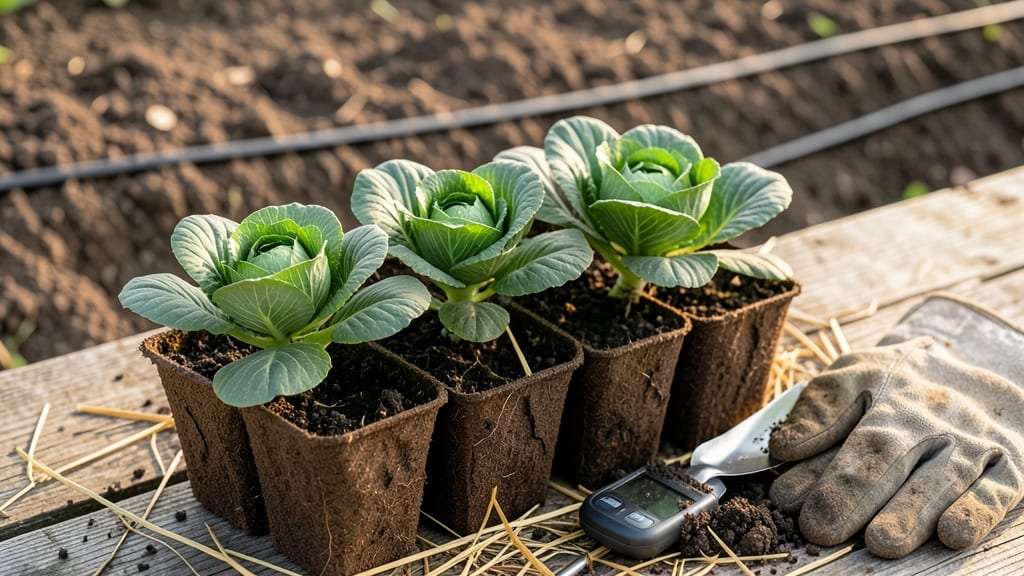
Timing your 🥬 cabbage planting in Missouri could mean the difference between a bumper crop and wasted effort. With the right frost-date cheat sheet, you’ll avoid the heartbreak of seedlings nipped by late frosts or bolting from summer heat—both common pitfalls in zones 5b-6b.
Missouri’s unpredictable weather demands precision: Spring plantings thrive between March 15 and April 30, while fall crops need to hit the ground by September 15 at the latest.
But here’s the secret—fast-maturing varieties like ‘Golden Acre’ give you flexibility, while slower growers like ‘Savoy King’ need early starts to reach harvest before winter sets in.
I’ll break down exactly when to plant each type, how to adjust for Missouri’s 165-200 frost-free days, and which varieties handle our climate best. Whether you’re a first-time gardener or a seasoned pro, these insights will help you plan for a reliable harvest—no guesswork required.
Ready to skip the trial-and-error? Let’s dive into the frost-date strategy that’s worked for Missouri growers for years—and why it’s your best bet for crisp, homegrown 🥬 cabbage every season.
Missouri cabbage planting calendar by frost dates and variety type
Cabbage thrives in Missouri’s spring and fall seasons, but timing depends on your variety type and local frost dates. Most of Missouri falls in USDA Zones 5b-7a, with average last frost dates around April 15 and first frosts near October 15.
To maximize your harvest, align planting with maturity timelines—fast varieties like 'Golden Acre' (55 days) need earlier starts, while late-season types like 'Red Express' (85 days) can wait until summer.
Spring planting begins 4-6 weeks before your last frost, typically March 15-April 30. Fall planting starts 10-12 weeks before first frost, usually August 1-September 15.
Missouri’s unpredictable weather means late frosts can still occur in April, so harden off seedlings gradually and use row covers for protection. For best results, aim for 60-100 frost-free days depending on the variety.
Here’s your Missouri cabbage planting cheat sheet, broken down by variety type and season to ensure crisp, homegrown heads all year:
| Variety Type | Days to Maturity | Spring Planting Window | Fall Planting Window | Missouri Notes |
|---|---|---|---|---|
| Fast-Maturing (55-65 days) | 55-65 | March 15 - April 15 | August 15 - September 1 | Ideal for early harvests; use 'Golden Acre' or 'Early Jersey Wakefield'. |
| Mid-Season (65-80 days) | 65-80 | April 1 - April 30 | July 30 - August 31 | Best for summer heat; try 'Red Express' or 'Cavalo'. |
| Late-Season (80-100 days) | 80-100 | April 15 - May 15 | August 1 - September 15 | For fall harvests; 'Savoy King' handles cooler temps well. |
🌱 Pro Tip: Adjust dates 1-2 weeks earlier for northern Missouri (Zone 5b) or later for southern regions (Zone 7a).
For spring planting, start seeds indoors 6-8 weeks before your last frost or buy transplants ready to go. Harden off seedlings for 7-10 days before transplanting into well-draining soil with a pH of 6.0-7.0.
Space plants 18-24 inches apart to allow heads to develop without crowding. In fall, focus on heat-tolerant varieties like 'Cavalo' to avoid bolting during summer’s peak temperatures.
Missouri’s microclimates can vary dramatically—urban areas may warm up faster than rural spots. Monitor your local frost dates using resources like the Missouri Climate Center or plant test crops of fast-maturing varieties to gauge your soil’s readiness.
If late frosts threaten, use floating row covers to protect young plants until they’re established.
One common mistake is planting too late in spring, which can lead to heat-stressed cabbage that bolts prematurely. Conversely, fall planting after August 31 risks heads not maturing before frost.
To stretch your season, consider succession planting: sow new seeds every 2 weeks in spring for a continuous harvest, or plant transplants every 3 weeks in fall to extend your window.
Soil temperature is another critical factor—cabbage seeds won’t germinate well below 45°F. Use a soil thermometer to confirm temperatures are 50°F or higher before planting. In cooler zones, opt for black plastic mulch to warm the soil faster.
For container gardening, choose dwarf varieties like 'Miniature Drumhead' and plant in 5-gallon pots with well-draining mix.
Remember, Missouri’s humidity can promote fungal diseases like downy mildew. Space plants properly, avoid overhead watering, and rotate crops annually to keep your cabbage patch healthy.
With this frost-date cheat sheet, you’ll be well on your way to a bountiful, homegrown harvest—whether you’re craving crisp savoy cabbage in summer or hearty green cabbage in fall.
How to adjust cabbage planting for Missouri’s unpredictable weather patterns
Missouri’s weather can be as unpredictable as a whirlwind—one day it’s 60°F and sunny, the next it’s 32°F with frost warnings. For cabbage, this means late frosts in spring or early heat waves in summer can derail your harvest if you’re not prepared.
The key is flexibility: adjust planting times, use protective tools, and monitor soil temperatures closely.
Start by checking your local last frost date (typically April 15 in Missouri) and first frost date (around October 15). But don’t rely solely on averages—set up a frost alert system via apps like Old Farmer’s Almanac or your local Cooperative Extension Service.
These tools send notifications when frost is forecasted, giving you time to cover young plants.
For spring plantings, sow seeds indoors 4-6 weeks before your last frost date to get a head start. If late frosts threaten, use row covers or cloches to protect seedlings.
These lightweight fabrics trap heat and shield plants from 28°F temperatures without smothering them. Remove covers during the day to prevent overheating.
In fall, aim to plant 10-12 weeks before the first frost. If summer heat lingers, opt for heat-tolerant varieties like ‘Cavalo’ or ‘Red Express’, which handle 85°F+ temperatures better than traditional types.
Always test soil temperature—cabbage seeds need 40-85°F soil to germinate. Use a soil thermometer to avoid planting too early when cold soil delays sprouting.
⚠️ Warning: Late Frost or Heat Stress Risks
Late Spring Frosts: Even hardened seedlings can die if temperatures drop below 28°F. Use row covers or straw mulch to insulate roots. Avoid planting outdoors until soil warms to 50°F.
Early Summer Heat: Cabbage bolts (prematurely flowers) when stressed by 90°F+ temps. Provide afternoon shade with shade cloth (30-50%) and mulch to keep roots cool. Water deeply in the morning to reduce evaporation.
If your garden space is limited, consider successive planting: start a new batch every 2-3 weeks from March to April for spring, or August to September for fall.
This spreads out your harvest and minimizes risk. For containers, choose dwarf varieties like ‘Miniature’ or ‘Peking White’, which mature faster and tolerate smaller root zones better.
Finally, keep an eye on moisture levels. Cabbage hates drought stress, which triggers bolting. Use a drip irrigation system or soaker hoses to deliver 1-1.5 inches of water weekly, and always water at soil level (not leaves) to prevent fungal diseases like downy mildew.
With these adjustments, you’ll outsmart Missouri’s weather and enjoy a bountiful cabbage harvest season after season.