
Plants
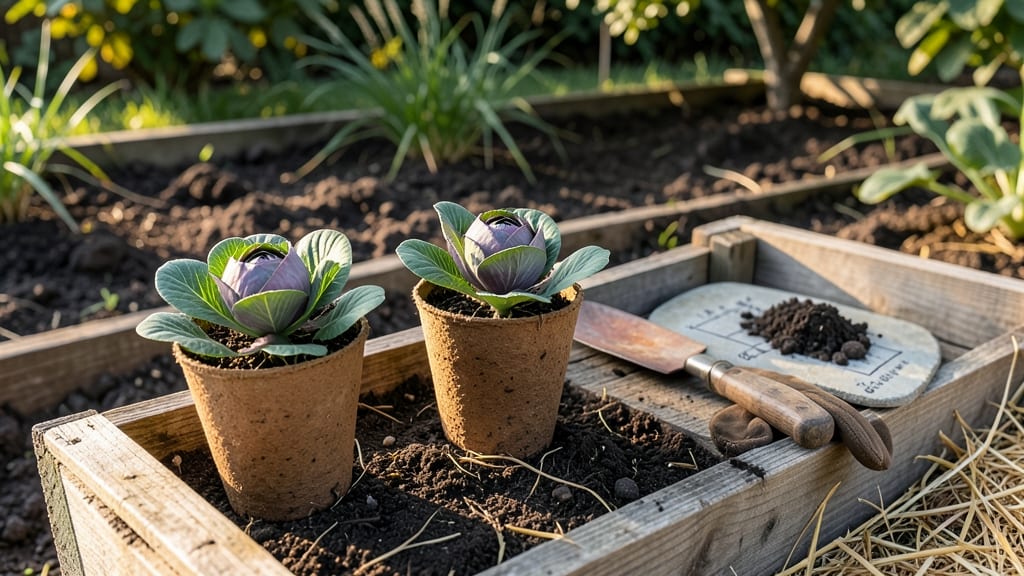
Timing your cabbage planting in Zone 6b could mean the difference between a juicy, sweet harvest and a bitter, stunted mess. The perfect window isn’t just about months—it’s about counting backward from your last frost date, and I’ll show you exactly how to nail it.
Cabbage 🥬 loves cool weather, but if you plant too early, it bolts in the heat, and too late? You’ll end up with small, tough heads.
In Zone 6b, where frost lingers until mid-April, the sweet spot is 4-6 weeks before your last frost—or a second chance in late summer for a fall harvest. Let’s break down the exact weeks that work best for your climate.
You might think all cabbage is the same, but some varieties handle heat better than others. I’ll share which ones thrive in Zone 6b’s unpredictable swings and how to adjust your planting schedule for maximum yield, no matter where you are in the zone.
Ready to grow cabbage that’s crisp, flavorful, and ready to harvest? I’ll walk you through the step-by-step timing, soil prep, and even how to handle those pesky frost surprises. Let’s get those heads growing right.

Best planting windows for cabbage in Zone 6b: early spring vs. late summer
Cabbage in Zone 6b loves cool weather but bolts in heat—so timing is everything. The ideal planting windows are 4-6 weeks before your last frost (typically mid-March to early April) for spring harvests, or 8-10 weeks before your first frost (late July to early August) for fall crops.
These windows ensure your cabbage matures before summer’s heat or winter’s chill ruins the flavor.
Zone 6b’s average last frost date is around April 15, but this can vary by 1-2 weeks depending on your exact location.
For example, Northern Zone 6b (like Chicago) might see frost until April 20, while Southern Zone 6b (like Nashville) could be frost-free by April 10. Always check your local frost maps or use a soil thermometer to confirm.
Here’s why these windows work: Cabbage needs 50-60°F soil temps to germinate, and 60-70°F air temps to thrive. Planting too early risks frost damage to young seedlings, while planting too late leads to bolting (premature flowering) or pitting (ugly, misshapen heads) from heat stress.
| Planting Window | Weeks Before Frost | Soil Temp (°F) | Air Temp (°F) | Harvest Window | Notes |
|---|---|---|---|---|---|
| Early Spring | 4-6 weeks | 50-60°F | 45-60°F | June-July | Start seeds indoors 6-8 weeks before transplanting. |
| Late Summer | 8-10 weeks | 55-65°F | 60-75°F | October-November | Use shade cloth to protect from late-summer heat. |
For spring planting, I recommend starting seeds indoors 6-8 weeks before your last frost (around February 15 for most of Zone 6b). Transplant seedlings outdoors when they’re 4-6 inches tall and soil temps hit 50°F.
Space them 18-24 inches apart to allow room for those 1-2 foot heads.
If you’re planting in late summer, opt for bolting-resistant varieties like ‘Copenhagen Market’ and use row covers to extend the season. Avoid planting after August 15, as heads may not mature before frost.
In Zone 6b, October 15 is your cutoff for fall harvests—any later, and you’ll risk frost-damaged cabbage.
Pro tip: Direct-sow seeds in late summer (July-August) for a fall crop, but transplant seedlings in spring for better success. Soil prep is key—amend with compost to improve drainage, and choose a sunny spot with 6+ hours of light.
Cabbage hates soggy roots, so raise beds if your soil stays wet.
In my Zone 6b garden, I’ve found that succession planting every 2 weeks in spring and 3 weeks in fall keeps me in fresh cabbage year-round. Just remember: cool temps = sweet cabbage, while heat = bitter, pithy heads.
Stick to these windows, and you’ll enjoy crisp, flavorful cabbage straight from your garden!
🌱
Best planting windows for cabbage in Zone 6b: early spring vs. late summer
In Zone 6b, your cabbage 🥬 planting success hinges on two critical windows: early spring and late summer. The average last frost date here is around April 15, but soil temperatures must reach 40°F (4°C) before planting.
For a spring harvest, aim to plant 4-6 weeks before your last frost—typically mid-March to early April. This gives cabbage enough time to mature before summer heat sets in.
If you miss the spring window, don’t worry! Zone 6b’s fall frost usually arrives around October 15, leaving room for a late summer planting. For a fall harvest, sow seeds 8-10 weeks before your first frost—usually late July to early August.
This second planting ensures a fresh crop when spring’s harvest is long gone.
Here’s the key difference: Spring cabbage thrives in cool soil and air, while fall cabbage must avoid bolting from summer heat. In Zone 6b, where temperatures can swing wildly, choosing the right window prevents bitter, tough heads and maximizes your yield.
| Planting Window | Best Time in Zone 6b | Soil Temp Requirement | Harvest Time |
|---|---|---|---|
| Early Spring | Mid-March to early April | 40°F (4°C) or warmer | June to July |
| Late Summer | Late July to early August | 50°F (10°C) or warmer | October to November |
Zone 6b’s northern vs. southern exposures also matter. If your garden faces north, plant 2-3 weeks earlier to capture extra sunlight. Conversely, a south-facing garden can handle later plantings because it retains heat longer.
Always test your soil temperature with a soil thermometer—cabbage roots need consistent warmth to grow.
Pro tip: Succession planting works wonders in Zone 6b. Sow a new batch of seeds every 2 weeks in spring and every 3 weeks in summer. This stretches your harvest and ensures you always have fresh cabbage.
Just remember: never plant cabbage when daytime temps exceed 80°F (27°C)—it’ll bolt faster than you can say “pesto.”
For maximum flavor and size, pair your planting schedule with rich, well-draining soil and consistent moisture. Cabbage is a heavy feeder, so amend your beds with compost or aged manure before planting. With the right timing and care, you’ll enjoy crisp, sweet heads all season long.