
Plants
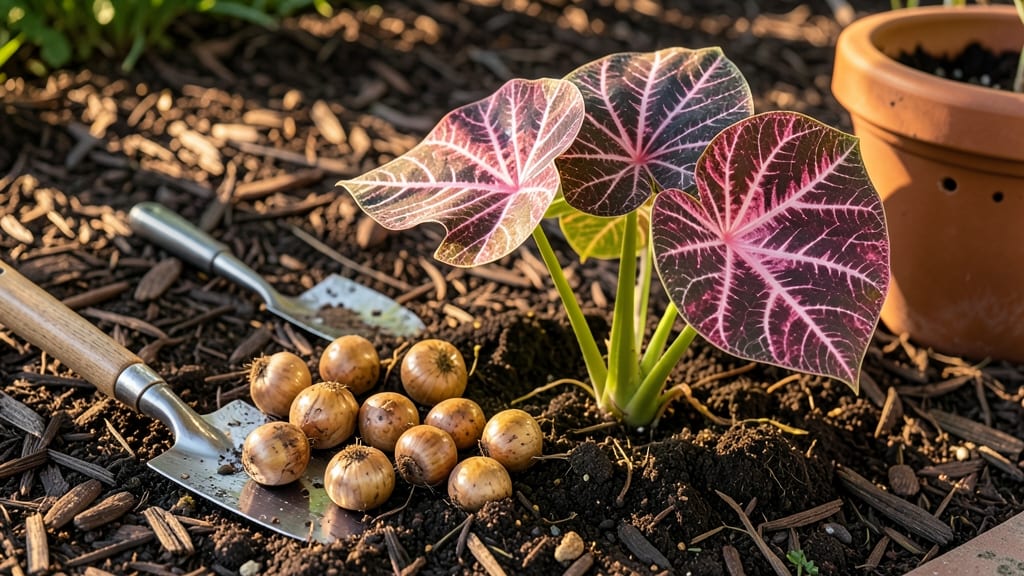
If you’ve ever dreamed of adding stunning tropical foliage to your Alabama garden but dreaded the summer heat, planting caladium bulbs at the right time is your secret weapon. These heat-loving plants—often called elephant ears—thrive in the South’s humidity, but timing matters more than you think.
The key to vibrant, long-lasting caladiums in Alabama’s 7b-8b climate starts with planting after the last frost, typically March through April. Too early, and frost can damage delicate tubers; too late, and your plants may struggle in the intense summer heat.
I’ll show you exactly when to get them in the ground for bold, show-stopping results.
Unlike cool-season crops, caladiums aren’t just bulbs—they’re tubers that crave warmth and moisture. Alabama’s soil and summer sun make them perfect, but only if you follow a few simple rules. We’ll cover soil prep, shade strategies, and even how to protect them from our unpredictable weather.
Ready to transform your garden into a lush, heat-resistant oasis? Let’s dive into the exact timing, varieties, and care tips that’ll keep your caladiums thriving all summer long—no guesswork required.
Best planting timeline for caladium bulbs in Alabama’s climate zones
Alabama’s USDA zones 7b-8b mean caladium bulbs (often called elephant ears) thrive in our heat—but timing is everything. Plant too early, and frost can damage them; too late, and summer’s intensity may stress their tropical roots before they establish.
The ideal window is after your last frost date, which typically falls around mid-March in North Alabama and early March in the South.
Caladiums are actually tubers, not true bulbs, and they love warm soil to sprout. Aim for soil temperatures of at least 65°F—a threshold reached by late March in most of Alabama.
If you’re in a cooler microclimate (like the Appalachian foothills), wait until early April to avoid bulb rot from lingering cold.
Northern Alabama gardeners should mark April 1 as their cutoff for planting—by then, summer’s heat is building, and tubers need to establish roots before the real humidity kicks in.
Meanwhile, Southern Alabama’s longer growing season allows for a 2-week extension, with May plantings still possible if you’re using heat-tolerant varieties like ‘Carolina Red’.
Here’s the critical timeline adapted for Alabama’s two main regions:
| Region | Last Frost Date | Optimal Planting Window | Soil Temp Threshold | Key Consideration |
|---|---|---|---|---|
| North Alabama (e.g., Huntsville, Decatur) | Mid-March | Late March–April 1 | 65°F+ | Wait for consistent warmth; mulch heavily to retain heat. |
| Central Alabama (e.g., Birmingham, Montgomery) | Early March | Late March–April 15 | 65°F+ | Balance early planting with summer heat; use shade cloth if needed. |
| South Alabama (e.g., Mobile, Dothan) | Late February | Early March–May 1 | 60°F+ | Extend window with heat-resistant varieties; monitor for fungal risks. |
For container gardening, you can push the timeline slightly earlier—late February—since pots warm up faster. Just ensure containers have drainage holes to prevent root rot, a common issue in Alabama’s humid summers.
If you’re planting in heavy clay soil (common across Alabama), amend it with compost or peat moss to improve drainage and moisture retention.
Pro tip: Pre-sprout tubers indoors 4–6 weeks before your target planting date. Place them in a warm, bright spot (like a sunny windowsill) and keep the soil barely moist. This head start gives them a competitive edge once transplanted outside, especially if you’re in a cooler zone.
Once planted, mulch with 2–3 inches of organic mulch (like pine straw or shredded leaves) to conserve moisture and regulate soil temperature. In Alabama’s heat, this step is non-negotiable—it’s the difference between lush foliage and wilting tubers.
Remember, caladiums are tender perennials in Alabama—they’ll die back with frost, so treat them as annuals or dig and store tubers indoors for next year.
If you’re experimenting with overwintering, wait until November 15 (first frost) to harvest tubers, cure them in a dry place for 2 weeks, and store in a cool, dark spot until spring.
Timing isn’t just about the calendar—it’s about soil temperature, humidity levels, and sun exposure. Alabama’s climate is forgiving for caladiums once you nail these details, rewarding you with bold, tropical foliage that outshines most summer annuals. 🌿
Heat-resistant caladium varieties that thrive in Alabama’s summer heat
Alabama’s summer heat and humidity can turn caladium bulbs into short-lived disappointments—but not with the right varieties. These tropical tubers crave warmth, and selecting heat-tolerant cultivars ensures your foliage stays vibrant from May through October.
The key is choosing varieties bred to handle 90°F+ temperatures and high humidity without wilting or developing fungal issues.
My top recommendations for Alabama gardens include ‘White Queen’, ‘Carolina Red’, and ‘Black Star’—each offering stunning foliage that withstands our long, steamy summers. These varieties not only survive but thrive, producing bold leaves that last longer than average caladiums.
For example, ‘Carolina Red’ features deep burgundy leaves with white veins, while ‘White Queen’ delivers pristine white foliage that contrasts beautifully against Alabama’s green landscapes.
🌿
To maximize your caladiums’ lifespan in Alabama’s climate, mulch heavily with 2-3 inches of organic mulch (like pine straw or shredded bark) to retain moisture and regulate soil temperature. This simple step can extend your plants’ foliage display by 4-6 weeks compared to unmulched beds.
Additionally, avoid afternoon sun—even heat-resistant varieties can scorch if exposed to intense midday rays during peak summer.
For container gardening, opt for self-watering pots filled with a moisture-retentive mix of 50% peat moss, 30% perlite, and 20% compost. This blend mimics Alabama’s naturally humid, well-draining soils while preventing the root rot that plagues caladiums in heavy clay.
Water deeply every 5-7 days during summer, ensuring the top inch of soil stays moist but never soggy.
🌡️
Pro tip: Rotate your containers every few weeks to ensure even light exposure, as Alabama’s partial shade can shift with tree growth or building shadows.
If you notice leaves yellowing or wilting by early September, it’s time to gradually reduce watering—a sign your caladiums are preparing for their dormant phase.
In Alabama’s USDA zones 7b-8b, you can dig up tubers in late October and store them in a cool, dry place for next year’s planting.