
Plants
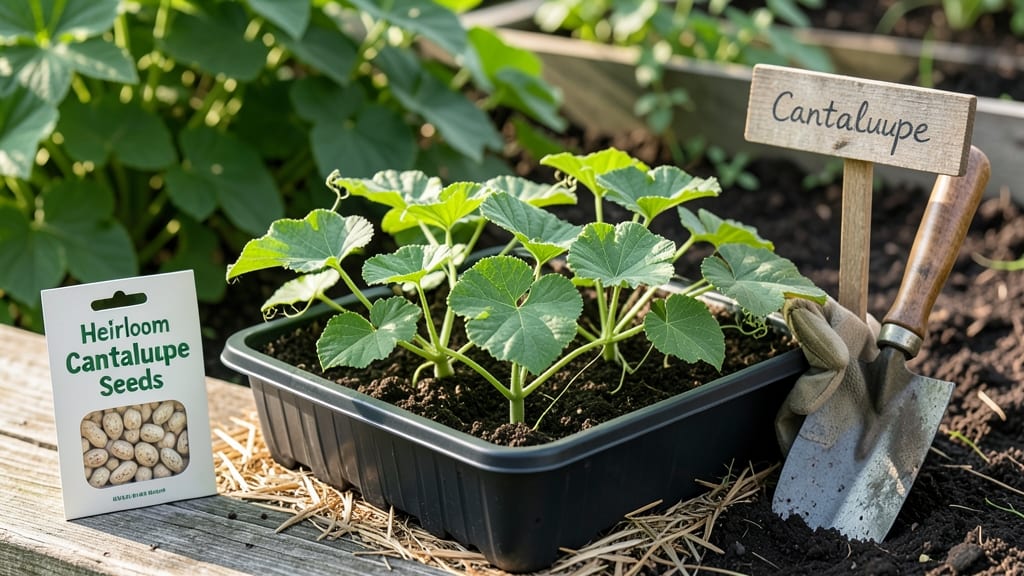
If you’ve ever planted cantaloupe in Ohio only to watch your seedlings shiver in late frost or your vines struggle through a short summer, you’re not alone.
The perfect timing for cantaloupe—like 🍈—hinges on Ohio’s fickle spring, and getting it wrong can mean the difference between sweet, ripe fruit and bitter disappointment.
Here’s the truth: cantaloupe thrives in warmth, and Ohio’s USDA Zone 6a demands precision. Plant too early, and frost will kill your starts; too late, and your harvest shrinks before summer’s end.
The sweet spot? Waiting until soil hits 70°F and all frost danger has passed—usually mid-April to early May—but with a few smart tricks to stretch your season.
I’ll break down exactly when to start seeds indoors, how to time outdoor transplants, and which cantaloupe varieties handle Ohio’s short summers best. No guesswork—just proven strategies to turn your garden into a cantaloupe goldmine by July.
Ready to avoid the common mistakes? Let’s dive into the frost-free timeline that’ll give your cantaloupe the best shot at success—no matter where you are in the state.
Ohio’s frost-free planting zones for cantaloupe: when to start seeds indoors vs. outdoors
Ohio’s USDA Zones 5-6 create a tricky balance for cantaloupe lovers—these melons crave warmth but Ohio’s springs can linger cold. The key is understanding your last frost date, which varies 10-14 days between northern and southern Ohio.
For most gardeners, this means waiting until mid-May for direct sowing, but smart planning can get you fruit earlier.
Cantaloupes need 75-90 days of warm weather to mature, so timing is everything. In northern Ohio (e.g., Cleveland, Toledo), you’ll often miss the window for a full harvest if you plant too late.
Meanwhile, southern Ohio (e.g., Cincinnati, Columbus) can push planting into early May with better success rates. Let’s break down the exact windows and how to adapt to your microclimate.
| Region | Avg. Last Frost | Ideal Transplant Window | Soil Temp. Requirement | Notes |
|---|---|---|---|---|
| Northern Ohio (Cleveland, Toledo) | May 10-15 | May 20-June 1 | ≥70°F (21°C) | Use row covers for earlier starts |
| Central Ohio (Columbus, Dayton) | April 25-May 5 | May 10-May 25 | ≥70°F (21°C) | Best balance of frost risk and warmth |
| Southern Ohio (Cincinnati, Lexington) | April 15-20 | April 25-May 10 | ≥65°F (18°C) | Can plant earlier with black plastic mulch |
For Ohio gardeners, starting cantaloupe seeds indoors 3-4 weeks before your last frost date is a game-changer. Use biodegradable pots to avoid transplant shock, and harden off seedlings for 7-10 days before moving them outdoors.
This head start lets you transplant as soon as soil temperatures hit 70°F (21°C), which is critical for germination and growth.
If you’re in northern Ohio, consider using row covers or a cold frame to extend your season. These tools can push your planting window back by 2-3 weeks, giving you a longer harvest window. Just remove covers when flowers appear to prevent heat buildup, which can reduce pollination.
One common mistake I see is planting cantaloupe seeds too early in hopes of a longer season. Seeds won’t germinate in cold soil (below 60°F/15°C), and seedlings are extremely frost-sensitive.
Instead, focus on soil temperature—use a soil thermometer to confirm it’s ready before planting. This small tool can save you from weeks of wasted effort.
For southern Ohio, where springs arrive earlier, you can even try direct sowing in late April if you use black plastic mulch to warm the soil.
This method works especially well for fast-maturing varieties like ‘Ambrosia,’ which can go from seed to harvest in as little as 60 days. Just be prepared to protect young plants with row covers if late frosts sneak in.
Remember, cantaloupe vines spread 3-6 feet wide, so give them plenty of space. In small gardens, consider trellising varieties like ‘Minnesota Midget’ to save space while still getting a good harvest.
This also improves air circulation, reducing the risk of powdery mildew, a common issue in Ohio’s humid summers.
Pro tip: Keep a planting journal for at least 2 years to track your local frost dates and cantaloupe performance. Ohio’s weather patterns shift yearly, and your notes will help you fine-tune your planting schedule for future seasons.
Over time, you’ll develop a personalized cantaloupe calendar that beats the average frost dates.
Finally, if you’re eager to experiment, try successive planting every 2 weeks after your initial date. This staggered approach ensures a continuous harvest from July through August, giving you fresh cantaloupe for weeks instead of just a few days. Just be mindful of your garden’s space and watering capacity!
5 Critical signs your Ohio cantaloupe planting timing is perfect (or disastrous)
Timing cantaloupe planting in Ohio isn’t just about checking a calendar—it’s about reading your garden’s cues. Cold soil or unpredictable nighttime temps can turn your hard work into a failed harvest. Here’s how to know when your cantaloupe is ready to thrive—or when to hit reset.
First, soil temperature is your #1 indicator. Cantaloupes demand 70°F+ soil to germinate. Use a soil thermometer (only $10!) to check 2–3 inches deep. If it’s below 65°F, seeds will rot or take forever to sprout. Pro tip: Test in the late afternoon when soil is warmest.
✅ Ideal: 70°F+ (use a thermometer)
❌ Danger: Below 65°F (seed rot risk)
💡 Tip: Wait for 3 consecutive days above 70°F
Next, watch the nighttime temperatures. Cantaloupes hate below 50°F—even for a night. If your local forecast shows lows dipping into the 40s, delay planting. Use row covers or a mini greenhouse to buy time, but remove them during the day for sunlight.
Listen to your cantaloupe’s growth signals. True leaves (not the first seed leaves) should appear within 7–10 days of planting. If they’re slow or yellowing, it’s a sign of cold stress or poor soil. Amend with compost and try again in 2 weeks.
Finally, harvest timing reveals your planting success. If cantaloupes mature before September 1st, you nailed it. But if vines brown and die by August, you planted too late. Ohio’s first frost typically hits mid-October, so aim for a 90-day harvest window from transplanting.
Mistakes happen—even to pros! If your cantaloupes bolt (send up flowers too fast), they’re too hot or thirsty. If they’re small and seedy, you planted too late. Adjust next year by tracking your last frost date (usually April 15 in most of Ohio) and counting backward.