
Companion Plants
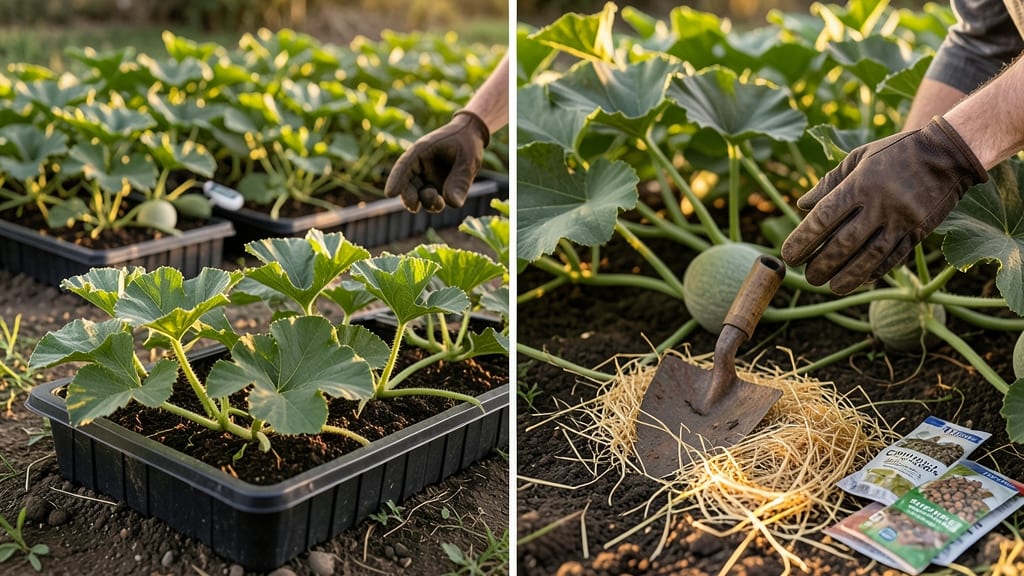
Knowing when to plant cantaloupe in Pennsylvania can mean the difference between a bountiful harvest and wasted seeds. This sweet, sprawling 🍈 thrives when soil temperatures hit 60-65°F, but PA’s unpredictable springs make timing tricky—especially with frost risks lingering until mid-April in some regions.
If you’ve ever planted cantaloupe too early and watched your seeds rot in cold soil, you’re not alone. The key is waiting for consistent warmth and understanding how your local microclimate (like the Poconos vs. Pittsburgh) affects frost-free dates. A little patience now saves frustration later.
In this guide, I’ll break down the exact soil warmth triggers, planting windows from mid-April to mid-May, and how to prep your garden for fast germination.
Whether you’re a first-time gardener or a seasoned pro, these tips will help you grow cantaloupes that ripen just in time for summer’s peak heat.
Ready to skip the guesswork? Let’s dive into the step-by-step timeline that’ll have your vines thriving—and your table loaded with sweet, homegrown cantaloupes by July.
Ideal soil and air temperature ranges for planting cantaloupe in Pennsylvania
Cantaloupe thrives when planted in warm soil and air temperatures—critical factors in Pennsylvania’s variable spring climate. Unlike cool-season crops, cantaloupe seeds won’t germinate in cold soil, often leading to wasted efforts.
The optimal soil temperature for planting is between 60°F and 65°F, with air temperatures consistently above 70°F for vigorous growth.
Pennsylvania’s USDA zones 5b-7a create microclimates where planting windows vary. For example, Pittsburgh (Zone 6a) typically sees frost-free dates around April 15, while the Poconos (Zone 5b) may wait until May 1. Always check your local last frost date—planting too early risks frost damage to tender vines.
| Requirement | Specification |
|---|---|
| Soil Temperature | 60°F–65°F (minimum for germination) |
| Air Temperature | 70°F+ (consistent for growth) |
| Last Frost Date | April 15 (varies by region) |
| Soil pH | 6.0–7.0 (slightly acidic to neutral) |
| Sunlight Needs | 8+ hours of full sun daily |
To test soil warmth, use a soil thermometer—plant only when readings hit 60°F+. In cooler PA regions, black plastic mulch can raise soil temperatures by 5°F–10°F, accelerating germination.
I’ve found that late May plantings often yield better in northern PA due to warmer soil and longer daylight hours.
Air temperature matters just as much as soil warmth. Cantaloupe vines struggle below 60°F, leading to stunted growth or failed pollination. Monitor nighttime lows—if temperatures dip below 55°F, protect young plants with row covers or wait until conditions stabilize.
Pennsylvania’s three growing zones (North, Central, South) also influence planting timing. Southern PA (e.g., Reading) can start as early as mid-April, while northern areas (e.g., Erie) may need to wait until late May. Use the National Weather Service’s frost maps to pinpoint your local window.
For direct sowing, aim for 2–3 weeks after your region’s last frost date. If transplanting seedlings, harden them off for 7–10 days before setting them out in warmed soil.
I’ve had success transplanting late-May seedlings in central PA, but they often lag behind direct-sown seeds planted in early June.
Pro tip: Warm-season crops like cantaloupe benefit from early-season heat. In PA, this often means June plantings produce sweeter fruit with fewer pest issues than rushed spring starts. Balance your timeline with harvest goals—cantaloupe needs 75–90 days to mature, so late June plantings may not ripen before frost.
Finally, soil preparation is key. Amend beds with compost and a balanced fertilizer (10-10-10) to ensure vines have nutrients for rapid growth. Cantaloupe is heavy feeders, so don’t skimp on organic matter—it’s the difference between small, bland fruit and sweet, juicy melons.
🌱
Ideal soil and air temperature ranges for planting cantaloupe in Pennsylvania
Cantaloupe seeds need warm soil to germinate—anything below 60°F will leave them sitting in the ground for weeks. In Pennsylvania, where last frost dates range from late April in southern regions to early June in the Poconos, timing is everything.
The sweet spot for planting is when soil temperatures hit 65-70°F, which typically aligns with mid-May in most of the state.
Air temperature matters just as much as soil warmth. Cantaloupe thrives in 75-90°F air temperatures, so planting too early (when nights dip below 50°F) can stunt growth.
Use a soil thermometer to check depth—cantaloupe roots need warmth at least 2 inches down. If your thermometer reads below 60°F, wait a week or two.
Here’s how Pennsylvania’s microclimates affect planting windows:
| Region | Last Frost Date | Ideal Planting Window | Soil Temp Goal |
|---|---|---|---|
| Pittsburgh (Zone 6b) | April 20–May 5 | Mid-May to early June | 65–70°F |
| Philadelphia (Zone 7a) | April 10–20 | Late April to mid-May | 60–65°F |
| Poconos (Zone 5b) | May 15–June 1 | Late June (or start indoors) | 70°F+ |
If you’re in Zone 5b (Poconos), consider starting seeds indoors 3–4 weeks before your last frost date. Transplant seedlings outdoors only after soil warms to 70°F—hardening off is a must to avoid shock.
For Zones 6b–7a, direct sowing in late April or early May works if you use black plastic mulch to speed up soil warming.
Pro tip: Black plastic mulch can raise soil temperatures by 5–10°F, letting you plant cantaloupe 1–2 weeks earlier. Lay it down 1–2 weeks before planting to maximize heat retention. Pair this with row covers for extra frost protection if nights dip below 50°F after planting.
Remember, cantaloupe vines grow fastest in heat, so aim to have them established by early June. This gives you a 120-day growing season before Pennsylvania’s first frost in October. With the right timing, you’ll be slicing into sweet cantaloupes by late July or August!