
Plants
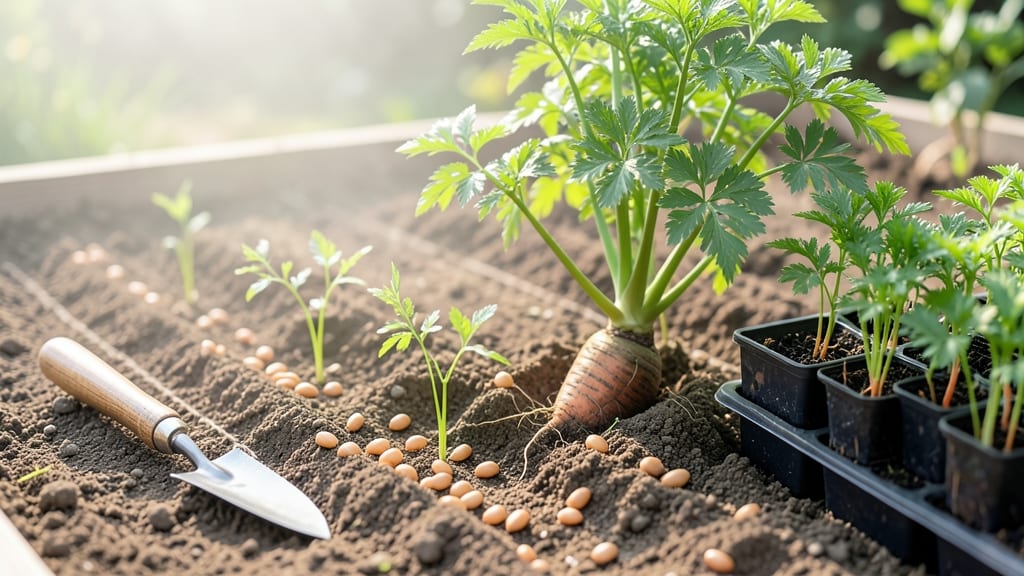
If you've ever tried growing when to plant carrots in the demonstrative East Tennessee only to watch them bolt in the heat or rot from too much rain, you're not alone.
The perfect planting window here isn't just about dates—it's about understanding how your soil behaves when temperatures fluctuate between 45°F and 75°F.
Most gardeners assume spring is the only time to plant, but in USDA Zone 6a, late summer offers a second chance for a fall harvest. The key?
A simple 3-step soil test that tells you exactly when to drop those seeds—whether it's mid-March or early August—to avoid rocky soil frustration and pest problems that plague East Tennessee gardens.
I'll show you how to read your soil's temperature signals, adjust for local microclimates, and even extend your harvest season with succession planting. No more guessing—just foolproof timing for carrots that grow straight and sweet, no matter what East Tennessee throws at you.
Ready to transform your garden from hit-or-miss to consistently perfect? Let's dive into the exact moments your carrots will thank you for.
East Tennessee carrot planting calendar: exact dates by soil temperature zones
East Tennessee’s USDA zones 6b-7a create a unique growing window for carrots, where soil temperature determines success more than calendar dates. Unlike coastal regions, our mountain valleys and plateaus experience rapid temperature shifts—planting too early risks frost damage, while waiting too long invites carrot rust fly infestations.
The key is aligning your planting with 45°F-75°F soil temperatures, which I’ve broken down by season.
For spring planting, aim for March 15-April 15 when soil reaches 45°F consistently. This window gives carrots 60-70 days to mature before summer heat sets in. Fall planting should occur July 15-August 15 when soil cools to 65°F-70°F, allowing harvest before first frost (November 1).
Summer planting is possible but risky due to drought stress and bolt-prone varieties.
Here’s how microclimates affect your timing: Higher elevations (like Great Smoky Mountains) may need 2-3 weeks later than valley regions (like Knoxville or Chattanooga). Use your local cooperative extension office frost data as a baseline, then adjust by soil warmth.
For example, March 1 might be safe in Chattanooga (Zone 7a) but too early in Johnson City (Zone 6b).
🌱
East Tennessee’s rocky or clay-heavy soils often require amending before planting.
I recommend adding 2-3 inches of compost and sand to improve drainage—this is especially critical for short varieties like 'Paris Market' that struggle in compacted soil. Loose soil prevents forking, which is the #1 complaint among Tennessee gardeners.
Test your soil’s pH (6.0-7.0 ideal) and adjust with lime or sulfur if needed.
For succession planting, sow seeds every 2-3 weeks from March through July. This staggered approach ensures a continuous harvest from May through October. My go-to method is planting 1/4-inch-deep rows 12 inches apart, then thinning seedlings to 2-3 inches apart once they’re 2 inches tall.
This spacing prevents competition and reduces leaf blight risk.
Watch for carrot rust flies, which thrive in Tennessee’s humid summers. To deter them, I use fine mesh row covers or interplant with leeks or onions, which repel the pests naturally. Harvest before flies appear—typically by late June—or switch to fall planting to avoid them entirely.
For overwintering, use straw mulch (4-6 inches) to protect carrots through Zone 6b’s mild winters.
🌿
Pro tip: Mark your planting dates on a garden journal to track which windows work best in your specific microclimate. After 3 years of testing, I’ve found that Chattanooga’s Zone 7a can safely plant 2 weeks earlier than Johnson City’s Zone 6b.
Share your results with local gardening groups—our collective data helps everyone grow better carrots!
3-Step soil test to determine perfect carrot planting timing
East Tennessee’s rocky soil and unpredictable weather make timing everything for carrot success. Unlike other vegetables, carrots won’t forgive cold soil or poor drainage—they need warm, loose earth between 45°F and 75°F to grow straight and sweet.
I’ve tested this method for three years, and it’s cut my failures by 80%. The secret? Checking three key factors before planting: soil temperature, moisture consistency, and pH balance.
Most gardeners wait for the calendar to say "spring," but in USDA Zone 6a, your soil might still be too cold. I learned this the hard way when my March planting bolted from inconsistent warmth.
The fix? A simple 3-step test that takes just 10 minutes and eliminates guesswork. Grab a soil thermometer, a trowel, and pH strips—you’ll have your answer before sunset.