
Plants
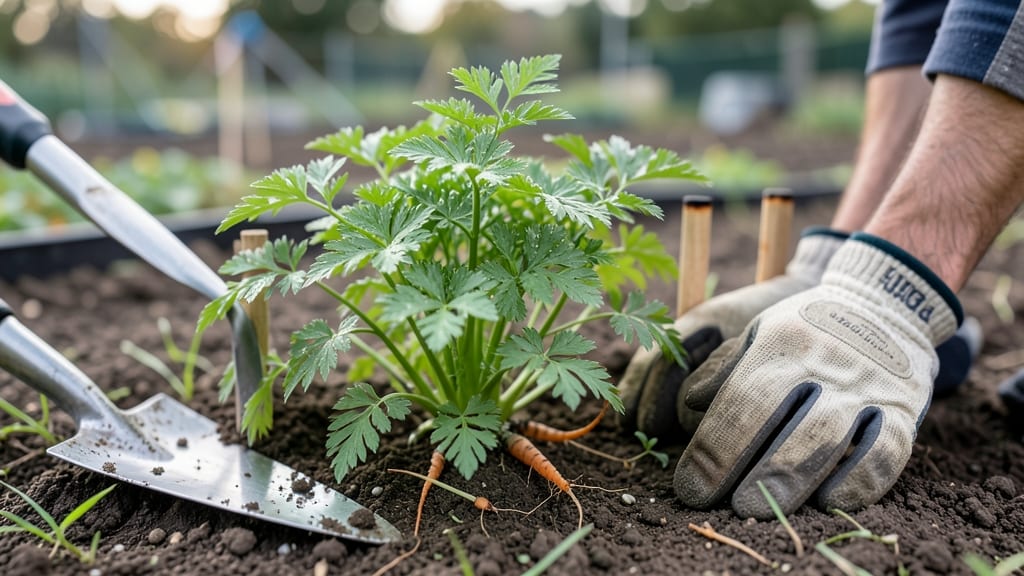
Timing is everything when it comes to growing bold, straight carrots in Zone 7a—plant too early, and you risk bolting; too late, and your harvest might never mature.
The difference between crisp, sweet roots and bitter, stunted failures often comes down to a few key weeks in your planting schedule.
In Zone 7a, where last frosts linger around mid-April and first frosts arrive by mid-October, your window for success is narrow but precise.
Spring-planted 🥕 thrive when soil temperatures hit 60°F, typically in early March, while fall crops need to be in the ground 6-8 weeks before frost—meaning late August or early September. Miss these cues, and you’ll end up with disappointing results.
What if you’re new to carrot growing? Don’t worry—I’ll break down the exact planting windows, soil prep tips, and frost-sensitive strategies tailored for your climate. By the end, you’ll know exactly when to sow seeds for perfectly timed harvests in both spring and fall.
Ready to skip the guesswork and grow carrots that rival the grocery store’s best? Let’s dive into the Zone 7a planting schedule that guarantees bold, straight roots every season.

Best carrot planting times in Zone 7a: spring vs. fall guide
Timing is everything when growing carrots in Zone 7a. Plant too early, and you’ll risk frost damage or slow germination. Too late, and your harvest shrinks before winter sets in. The key is understanding soil temperature thresholds and frost-free windows—both critical for bold, straight roots.
In Zone 7a, your last average frost date is around April 15, while the first frost typically arrives by October 15. This gives you two prime planting windows: spring (March–April) and fall (August–September).
Each season has unique challenges, from soil warming in spring to daylight shortening in fall.
Here’s the breakdown you need to maximize your harvest:
| Season | Planting Window | Soil Temp Threshold | Key Considerations |
|---|---|---|---|
| Spring | March 15–April 15 | 50°F+ (consistently) | Avoid cold soil (<40°F) which causes forked roots. Use row covers if nights dip below 40°F. |
| Fall | August 1–September 15 | 60°F+ (for germination) | Plant 8–10 weeks before first frost (by October 15) for harvest. Use black plastic mulch to retain warmth. |
For spring planting, aim to sow seeds when soil temperatures hit 50°F consistently. In Zone 7a, this usually lands in mid-March to early April. If you plant too soon, your carrots may stunt or develop hairy roots from stress.
Test soil with a soil thermometer—carrot seeds need warmth to germinate efficiently.
In fall, focus on August sowings for a late-October harvest. The goal is to give carrots 60–70 days of growth before frost. Use fast-maturing varieties like ‘Paris Market’ (50 days) or ‘Early Nantes’ (60 days) to hedge against early cold snaps.
Pro tip: Succession plant every 2 weeks in spring for a staggered harvest. In fall, plant a final batch in early September if your first frost is late. Just ensure they’re in the ground 10 weeks before frost to mature fully.
Watch for soil crusting after rain—it can smother seedlings. Gently rake soil or use mulch to keep moisture even. And always thin seedlings to 2–3 inches apart to prevent crowded, misshapen roots.
Remember: Carrots hate competition. Remove weeds aggressively and avoid planting near parsnips or celery, which share diseases. Dill and chives, however, make excellent companions—they deter pests like carrot flies.
With the right timing, you’ll enjoy crisp, sweet carrots from June through November—no bitter aftertaste or forked roots in sight! 🌱
Best carrot planting times in Zone 7a: spring vs. fall guide
In Zone 7a, your carrot planting window hinges on two critical factors: soil temperature and frost dates.
Spring plantings should start when soil reaches 60°F, typically early March, while fall crops need to be in the ground 6-8 weeks before your first frost (usually by late August). Timing this right ensures bold, straight roots instead of bitter, stunted failures.
I’ve grown carrots in Zone 7a for years, and I’ve learned the hard way that planting too early risks cold soil (which slows germination), while late plantings often don’t mature before frost. The key is balancing these variables—let’s break it down by season so you can plan with confidence.
| Season | Planting Window | Soil Temp | Frost Consideration | Harvest Time |
|---|---|---|---|---|
| Spring | Early March - Mid-April | 60°F+ | After last frost (mid-April) | June - July |
| Fall | Late August - Early September | 55°F+ | 6-8 weeks before first frost | October - November |
For spring plantings, aim to sow seeds 4-6 weeks before your last frost date (around early March in Zone 7a). Use a soil thermometer to confirm temperatures—carrot seeds won’t germinate well below 60°F.
If your soil is too cold, wait or use a cold frame to warm it faster.
Fall plantings are trickier because bolting risk increases as days shorten. Start seeds indoors 4 weeks before transplanting (around late July) to give them a head start.
Transplant seedlings into the garden by early September, ensuring they’ll mature before frost. Choose short-day varieties like ‘Paris Market’ or ‘Danvers Half Long’ for better fall success.
Pro tip: Succession plant every 2 weeks in spring and fall to stagger harvests. This ensures a continuous supply of fresh carrots and reduces the risk of overcrowding, which leads to forked roots. Just remember—consistent moisture is key during germination, so keep soil evenly damp until seedlings emerge.
One mistake I see often? Planting too deeply or in compacted soil. Carrots need loose, well-draining soil to grow straight—amend beds with compost before planting. If your soil is heavy clay, consider growing in raised beds for perfect roots every time.