
Plants
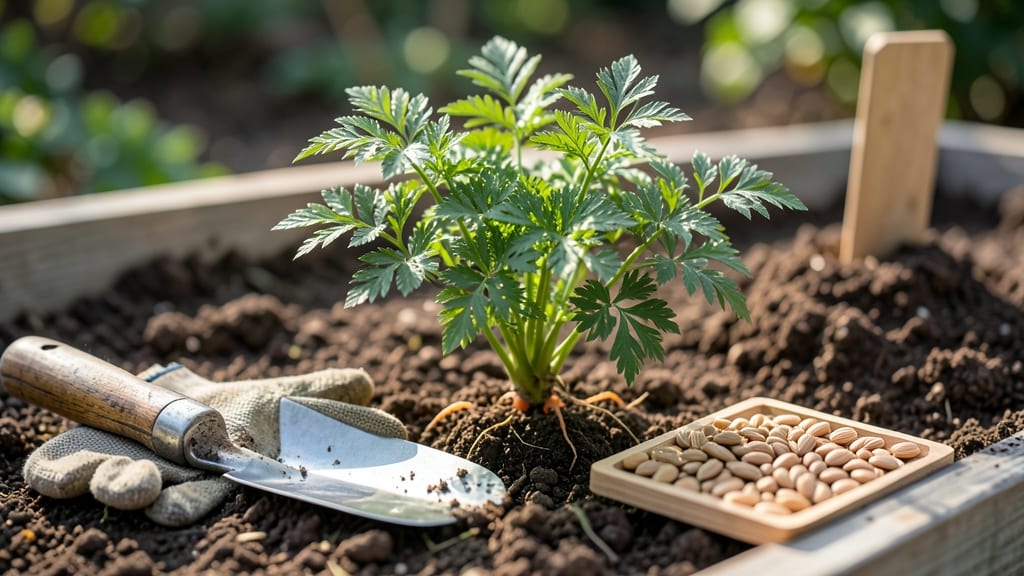
Timing your 🥕 carrot planting in Idaho isn’t just about following a calendar—it’s about outsmarting the state’s unpredictable swings from frost to heat. Plant too early in the high desert, and you’ll risk bolting plants; too late in the valleys, and your harvest might shrink before the first frost.
The difference between crisp, sweet roots and bitter failures often comes down to knowing when to start seeds in your specific USDA zone.
Idaho’s diverse climate—from the 4b-7b zones of the Palouse to Boise’s warmer valleys—means one planting window doesn’t fit all. Whether you’re in the mountains where frost lingers until April 15 or the Treasure Valley where summer heat arrives early, getting the timing right ensures your carrots thrive.
I’ll break down the exact frost-free windows for each zone, so you can avoid the 3 most common mistakes Idaho gardeners make.
You’ll also discover how to stretch your growing season with simple tricks like row covers or succession planting—critical for maximizing yields in Idaho’s 165-day frost-free windows. Plus, I’ll share which carrot varieties handle Idaho’s rocky soil best, so you’re not left with forked or stunted harvests.
Let’s get those seeds in the ground at the perfect moment.
Ready to grow bold, flavorful carrots? Skip the guesswork and follow this Idaho-specific guide to turn your garden into a crisp, orange success story—no matter where you’re planting.
Idaho carrot planting calendar by USDA hardiness zones 3-7
Timing your carrot planting in Idaho isn’t one-size-fits-all—it depends on your USDA zone, elevation, and last frost dates. Idaho spans zones 3-7, with Coeur d’Alene (zone 5) and Boise (zone 7) offering vastly different windows.
For example, lowland areas like Twin Falls can plant 2 weeks earlier than mountainous regions like McCall.
Carrots thrive in soil temperatures between 60°F and 85°F. In Idaho, this means waiting until mid-April to early July for spring plantings, but summer plantings can start as late as late July for a fall harvest.
Always check your local last frost date—Boise averages April 15, while northern Idaho may delay until May 15.
🌱 Key Rule: Plant carrots 3-4 weeks before your last frost date for spring harvests or 8-10 weeks before your first frost for fall crops. Idaho’s short growing season (just 165 frost-free days in many areas) demands precision.
| Zone | Spring Planting Window | Summer Planting Window | Harvest Window | Soil Temp Threshold |
|---|---|---|---|---|
| 3-4 (Northern Idaho) | Late May - Early June | N/A (too short season) | July - August | 60°F+ (wait for warmth) |
| 5 (Coeur d’Alene) | Mid-April - Early June | Late July - Early August | June - October | 60°F+ (soil must warm) |
| 6 (Boise, Twin Falls) | Mid-April - Early July | Late July - Early August | June - November | 55°F+ (earlier possible) |
| 7 (Southern Idaho) | March - Early July | Late July - Mid-August | April - December | 50°F+ (longer season) |
For continuous harvests, Idaho gardeners often use succession planting. Start with an early spring batch (March-April in zone 7), then follow with 2-week intervals until early July. This ensures fresh carrots from June through October, even in shorter-season zones.
If you’re in high-altitude areas (e.g., Sun Valley), prioritize short-season varieties like ‘Paris Market’ (50 days) over ‘Danvers’ (70 days). These mature faster before Idaho’s early fall frosts hit. Always amend soil with compost or sand—Idaho’s clay or rocky soil can cause forked roots if too dense.
Pro Tip: Use a soil thermometer to confirm temps. Carrot seeds won’t sprout below 50°F, and bolting (premature flowering) occurs if soil stays too cool. In zone 3-4, wait until soil reaches 60°F before planting.
For fall plantings, aim to sow seeds 8-10 weeks before your first frost (typically late July-August). This gives carrots time to mature before winter sets in. In zone 7, you might even get a second fall harvest if planted in early September.
🌱 Remember: Idaho’s microclimates matter. A valley like Twin Falls can be 10°F warmer than nearby mountains. Always scout your specific area—your neighbor’s schedule might not work for you!
How to extend Idaho’s carrot growing season for bold roots
Idaho’s short growing season can feel like a race against time, but with the right strategies, you can stretch your carrot harvest from early summer all the way to fall. The key is understanding how to protect seedlings from late frosts and delay bolting when summer heat arrives early.
In high-altitude areas like Coeur d’Alene, frost can linger until mid-April, while Boise’s valleys warm up faster—sometimes too fast for delicate carrot seedlings.
By using row covers and succession planting, you can add weeks to your harvest window. For example, planting a second batch in late July ensures fresh carrots when early plantings mature.
Even a simple cold frame can push your first planting by 2-3 weeks, giving you an earlier start in cooler zones like Zone 4b.
🌱 Pro Tip: Start seeds indoors 4-6 weeks before your last frost date (use seedling trays with well-draining soil) to get a head start on the season. This is especially useful in mountainous regions where the ground stays cold longer.
- 📅 Succession Planting: Sow seeds every 2 weeks from mid-April to early July for continuous harvests.
- 🛡️ Row Covers: Use floating row covers to protect seedlings from late frosts (up to 28°F) and extend harvests by 3-4 weeks in fall.
- 🔥 Shade Cloth: Deploy 30-50% shade cloth in July-August to prevent bolting during Idaho’s sudden heatwaves.
- 🏗️ Cold Frames: Build or buy a cold frame to start seeds 3-4 weeks earlier than outdoor planting.
- 🌿 Mulch Heavily: Apply 4-6 inches of straw mulch to retain soil moisture and cool roots during summer heat.
For gardeners in Zone 7b (like Boise), focus on fall planting—sow seeds in late July for a harvest before the first frost in mid-October. In contrast, Zone 4b areas (e.g., Sandpoint) should prioritize early spring plantings with row covers to avoid frost damage.
Always monitor soil temperatures: carrots thrive when soil is at least 50°F, so wait until mid-May in cooler zones.
Another trick is to interplant carrots with radishes—radishes mature quickly (in 30 days) and mark the rows, while carrots take 70 days to harvest.
This space-saving tactic also helps break up compacted soil, which Idaho’s rocky terrain often struggles with. Just be sure to thin radishes first to avoid competition.
Finally, water deeply in the morning to prevent fungal diseases like Alternaria leaf spot, a common issue in Idaho’s humid summers. A drip irrigation system delivers consistent moisture without wetting foliage, keeping your carrots crisp and disease-free from June through October.